
UN Committee Calls for Intensified Efforts to Combat Violence Against Native Women
U.S. compliance with ICERD reveals more than 20 areas of discriminatory laws, practices, and policies, including violence against women.
Items tagged with this category will appear on the front page, in the highlight section. Only one highlight will appear.
U.S. compliance with ICERD reveals more than 20 areas of discriminatory laws, practices, and policies, including violence against women.
Indian nations and organizations are banding together to call for strong, action-oriented outcomes from the UN World Conference on Indigenous Peoples.
In an effort to be environmentally sustainable, the 2013 Annual Report is now available on our website.

 Preparations for the UN World Conference on Indigenous Peoples continue and the Center remains committed to supporting tribal nations and indigenous peoples to achieve lasting measures to improve the lives of indigenous peoples.
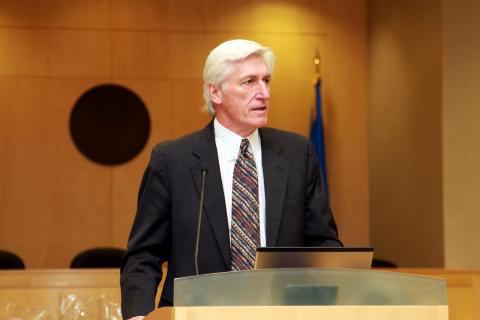
Coulter warns an FPIC approach to indigenous rights is backward, confusing, and can be a disservice to indigenous peoples.
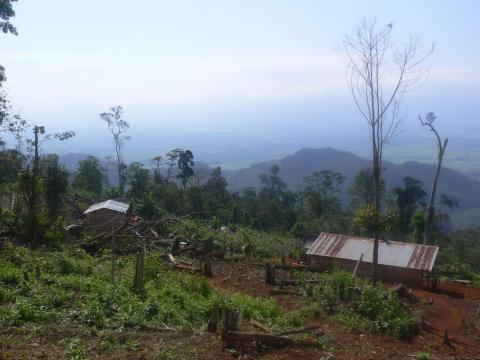
Send a letter to show you support the Agua Caliente community. It only takes a few clicks!
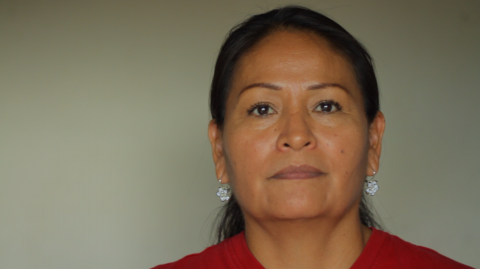
Center releases an assessment on the readiness of Indian nations to exercise enhanced sentencing authority under TLOA and VAWA 2013.
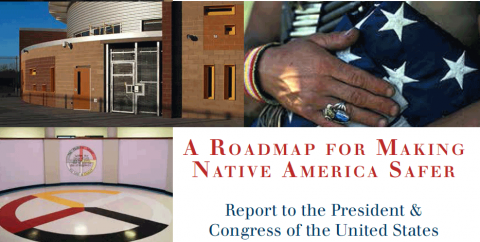
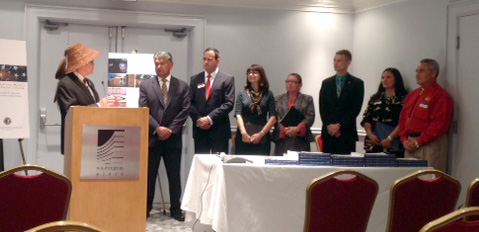 Center staff were on hand today at the release of the Indian Law and Order Commission’s final report “A Roadmap for Making Native America Safer: Report to the President and Congress of the United States.” The Report makes 40 substantive recommendations to improve criminal justice systems serving Native American and Alaska Native communities.
Video and resources from the October 9 panel discussion, "Indigenous Peoples’ Lands and Development: World Bank Interventions and Lessons Learned" (More...)
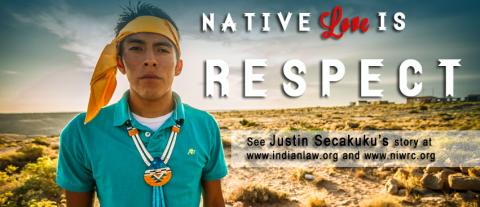
October 21, 2013 | Eight videos aimed at raising awareness of violence against Native women and redefining Native love are set to be released by end of the year. (More ...)
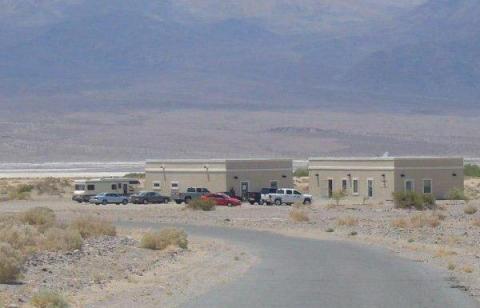
October 11, 2013 | Tribal leaders file two administrative appeals to stop an election that would allow non-tribal members a vote on a proposed new constitution. (More>>)
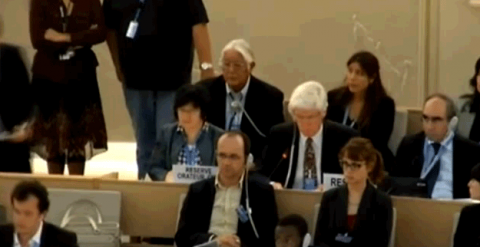
September 2013 | Highlights from the Center's participation in the 24th Regular Session of the UN Human Rights Council in Geneva, Switzerland (MORE...)
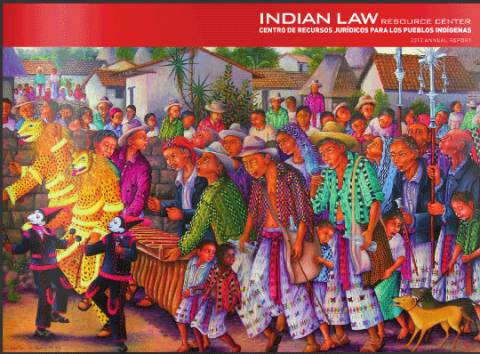
Our 2012 Annual Report
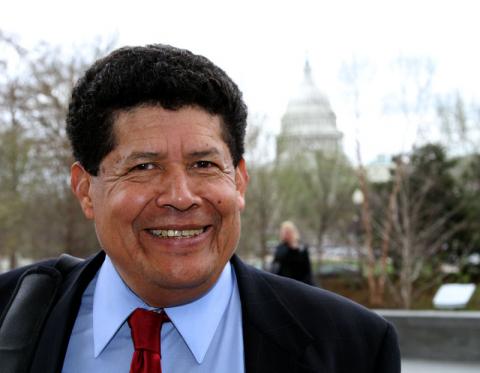
Op-Ed by Armstrong Wiggins | May 31, 2013
Indigenous rights must be a priority for Secretary of State John Kerry during his visit to Guatemala next week. (in English..) (en Español...)
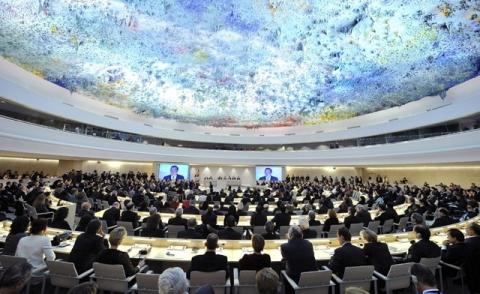
The World Bank held two critical meetings in Manila, Philippines, last month as part of its safeguard policies review process and its overall engagement with indigenous peoples. Center Senior Attorney Leonardo Crippa was invited to participate in the meetings as an expert on indigenous rights.
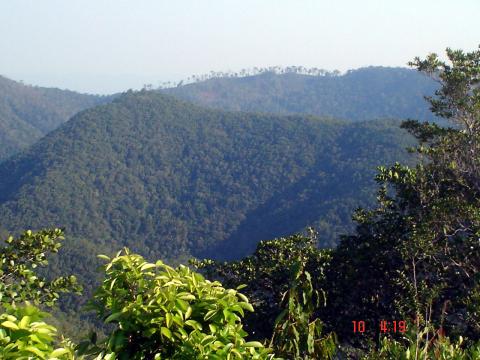
Recent murders, kidnappings and wrongful arrests against prominent indigenous leaders incite call for unity and resistance. (More...) (See official statement in Spanish)
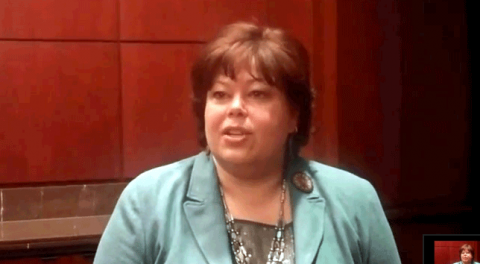
Jan. 23, 2013 -- Identical bills for VAWA have been introduced in both chambers of Congress. Tell Congress to pass an inclusive VAWA Now! Keep their phones ringing!
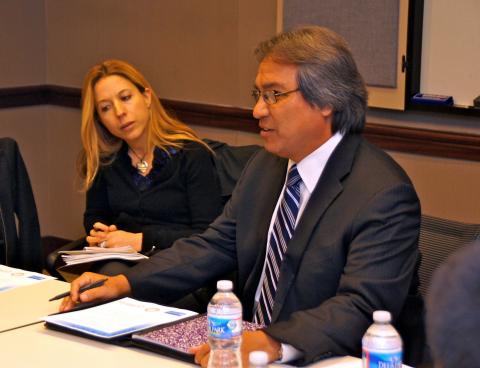
Recent Report by U.N. Special Rapporteur on the Rights of Indigenous Peoples says legislation protecting Native women should be an “immediate priority” in U.S.
Our 2011 Annual Report
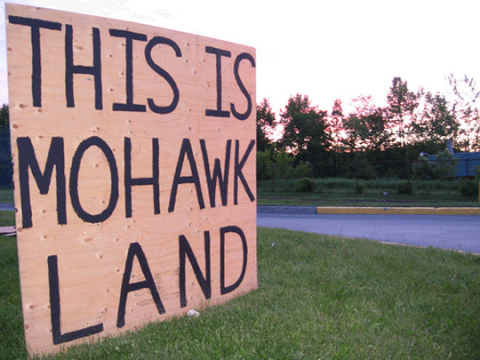
Commentary by Karla E. General*
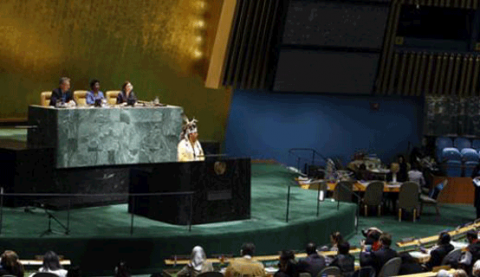
Indian Law Resource Center delivers statement at UN Permanent Forum on Indigenous Issues. CLICK HERE FOR MORE...

by Karla E. General* - The Declaration recognizes and affirms the rights of indigenous peoples to their cultural, religious, and spiritual practices, to have private access to sacred sites, as well as to maintain and strengthen their spiritual relationship with their traditionally held lands, territories, waters and coastal seas and other resources.
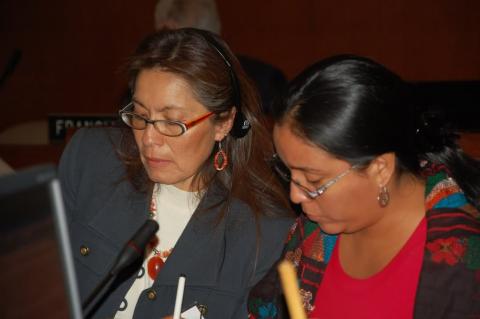

by Jana Walker - Despite some strides in addressing violence against Native women, there is no doubt United States law falls far short of even the minimum human rights standards set forth in the UN Declaration on the Right of Indigenous Peoples. Considering the United States’ trust responsibility to Indian nations, coupled with the standards in the Declaration, it is imperative that the U.S. act now to end the epidemic of violence against Native women.

The Center has filed additional comments related to REDD+ in our continued efforts to raise awareness of the importance of indigenous peoples’ rights in all efforts to combat climate change. We submitted comments to the UN-REDD Programme on two draft policies: the Draft Free, Prior and Informed Consent (FPIC) Guidelines and the Draft Principles and Criteria and Benefit and Risk Assessment Tool.
Nearly 20 years after the Violence Against Women Act was first signed into law, U.S. Senator Patrick Leahy (D-Vt.) introduced bipartisan legislation Wednesday to further strengthen and improve the programs authorized under the landmark law to assist victims and survivors of domestic violence, dating violence, sexual assault, and stalking.
