Image
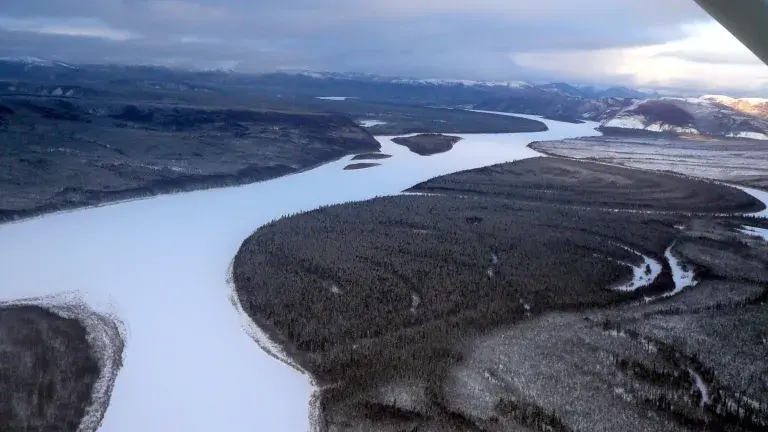

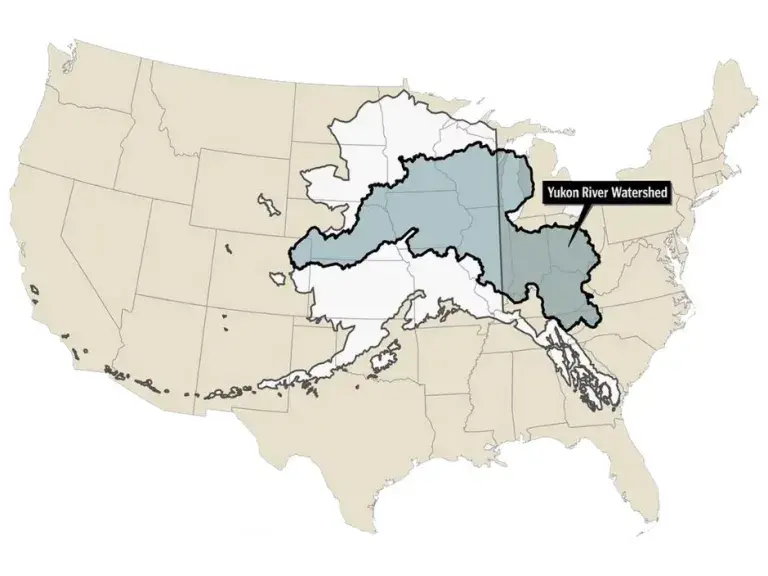
The Center has a long history of environmental advocacy in Alaska. Over the years, the Center has helped Alaska Native nations and villages expand their legal and technical capacity to protect and clean up their lands and waters. Watershed protection is a critical issue for Native peoples in Alaska because the rivers are often essential for subsistence livelihoods and traditions.
Yukon River Inter-Tribal Watershed Council
From 1997 to the mid-2000s, the Center played a foundational role in establishing and supporting the Yukon River Inter-Tribal Watershed Council (YRITWC). The Center helped draft the Yukon River Watershed Inter-Tribal Accord, a historic international treaty signed by tribal and First Nations governments from Alaska and the Yukon Territory. This agreement created one of the first modern inter-tribal international treaties.
The Center's work included drafting the inter-tribal treaty and organizational documents, organizing founding summits in 1997 and 2001, facilitating the treaty signing ceremony at the headwaters of the Yukon River, developing consultation protocols and resolution processes, and creating educational resources on international and domestic legal strategies.
The YRITWC now consists of over 70 sovereign Alaska Native and Canadian First Nations governments committed to restoring the Yukon River and protecting the watershed from pollution across 2,300 miles of river and millions of acres of land. The Council has become a model of successful inter-tribal environmental advocacy, working across municipal,
state, federal, and international boundaries with the vision that community members will once again "be able to drink water directly from the Yukon River."
Kuskokwim River Watershed
In the mid-2000s, the Center also helped Alaska Native villages establish watershed protection initiatives in the Kuskokwim region. The Center provided legal assistance to promote consensus-based environmental stewardship among the 29 Alaska Native villages in the Kuskokwim River watershed, supporting their efforts to protect the longest free-flowing river in the United States and maintain traditional subsistence ways of life.
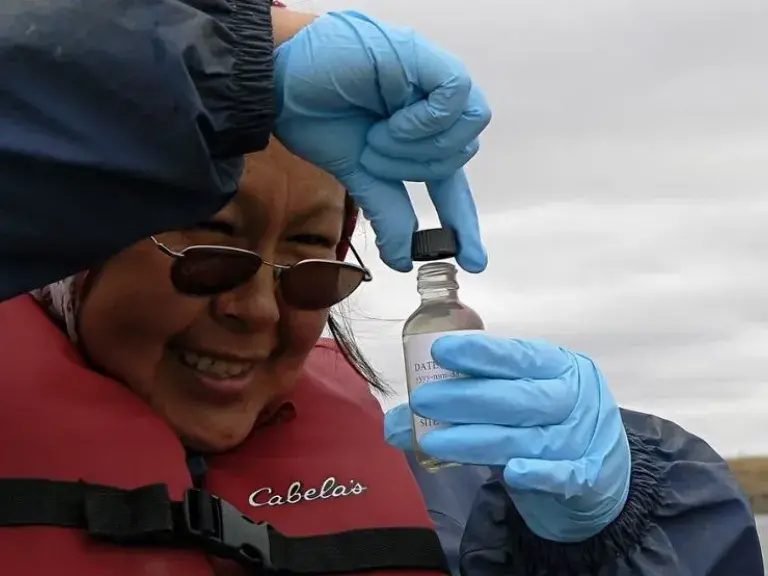
Photos provided by: Yukon River Inter-Tribal Watershed Council
Kuskokwim River Watershed
In the mid-2000s, the Center also helped Alaska Native villages establish watershed protection initiatives in the Kuskokwim region. The Center provided legal assistance to promote consensus-based environmental stewardship among the 29 Alaska Native villages in the Kuskokwim River watershed, supporting their efforts to protect the longest free-flowing river in the United States and maintain traditional subsistence ways of life.

Support the projects you care about the most
The Indian Law Resource Center cannot continue its critical work advocating for Indigenous rights without the help of generous donors like you.
