Image


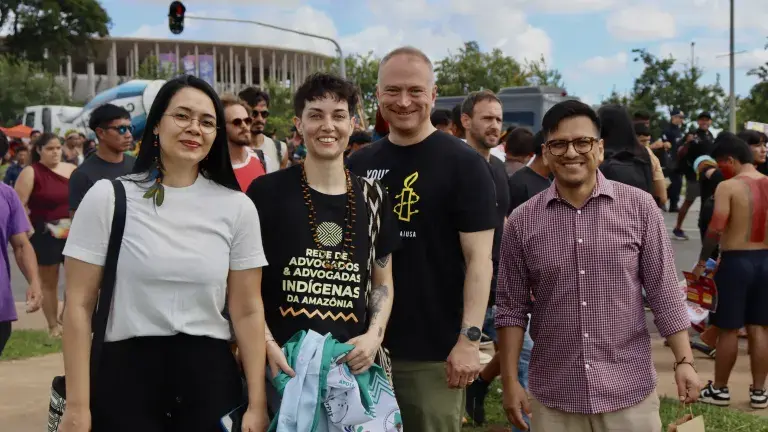
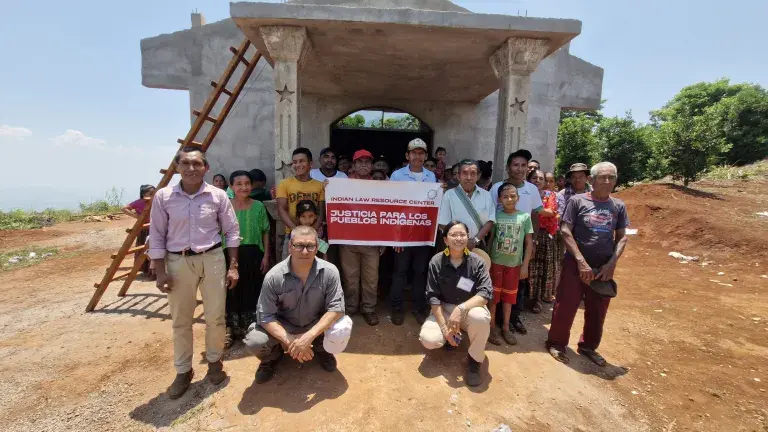
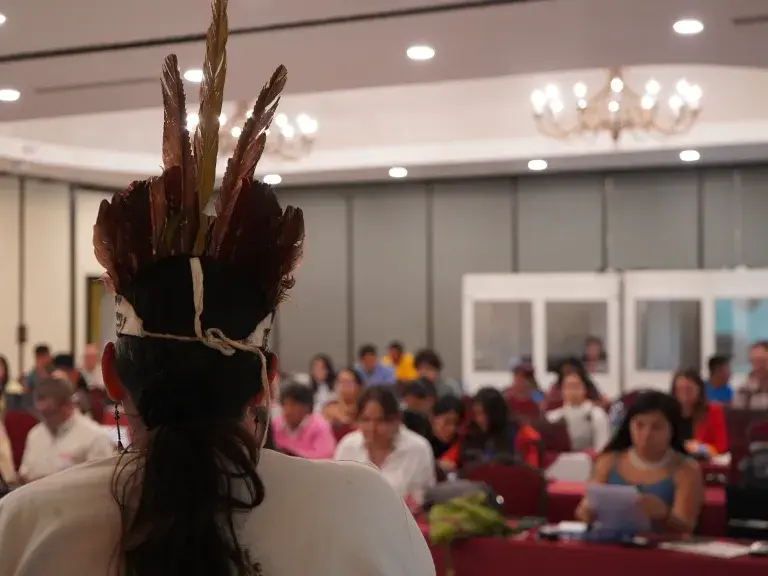
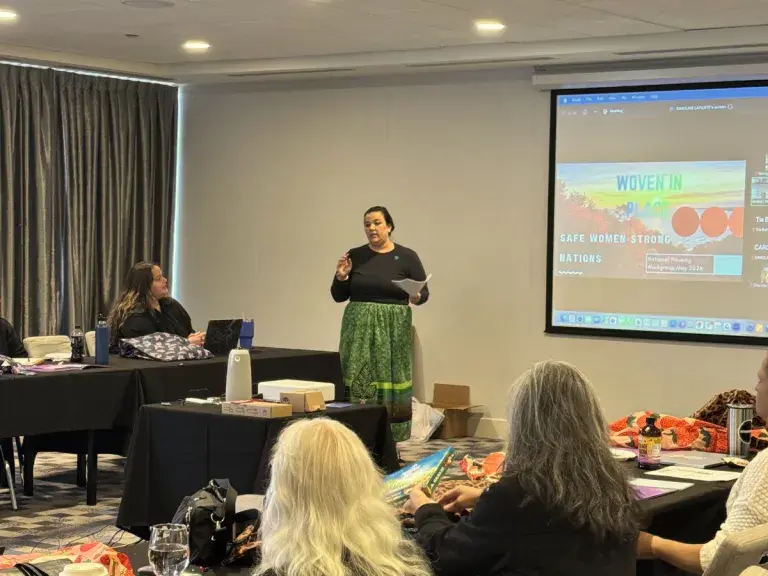
At the Indian Law Resource Center, we advocate for critical issues that impact Indigenous communities across the Americas. Our top priorities include ending violence against Native women, protecting the environment, defending human rights, and safeguarding land rights.
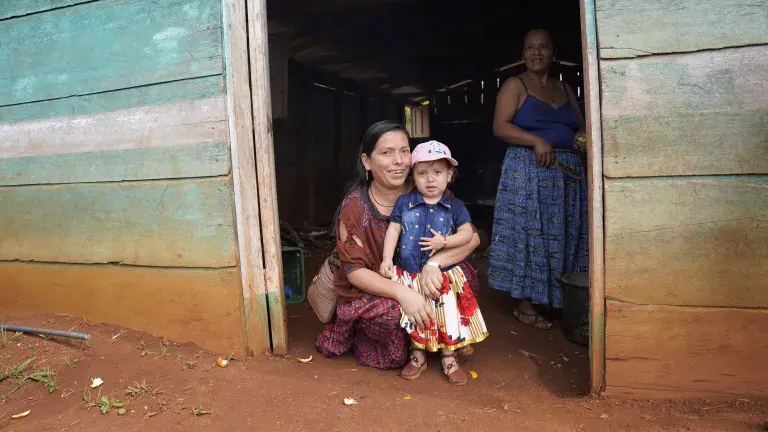
Our work with Native and indigenous peoples has always drawn the connection between indigenous land rights, environmental protection and human rights. When indigenous peoples are deprived of their ties to the earth and their ways of life, they suffer. The effects of poverty, poor health, discrimination, and grave human rights abuses have many Native peoples and cultures at risk of disappearing completely.
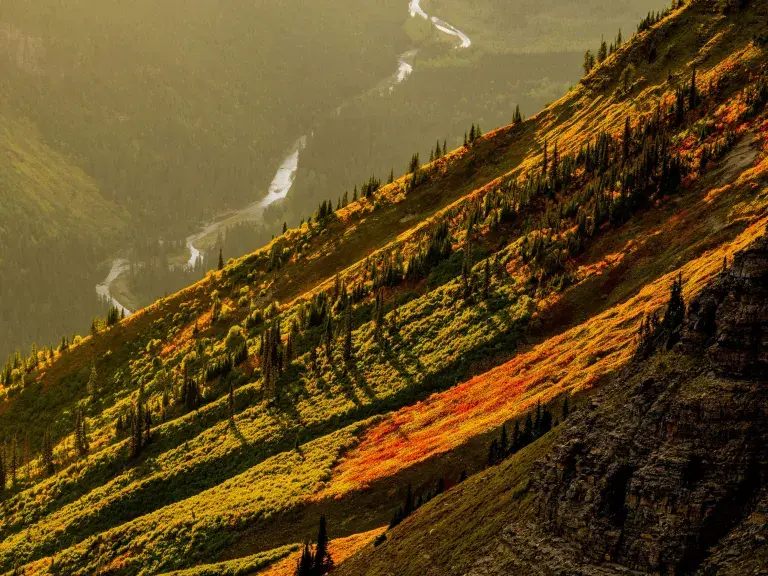
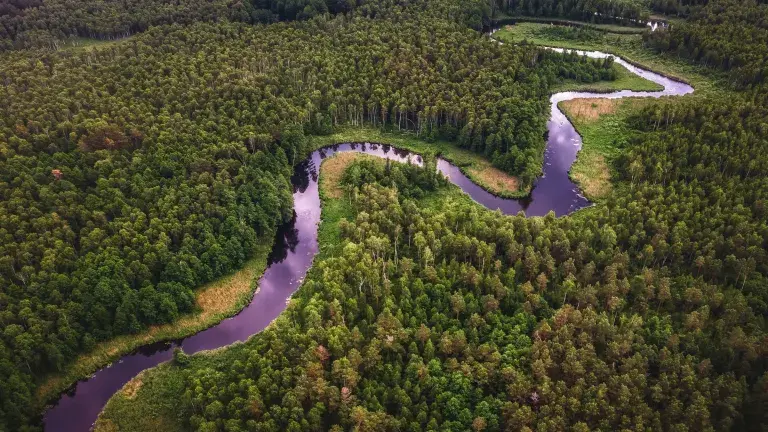
Securing Land Ownership Rights for Indigenous Communities in Mexico and Central and South America
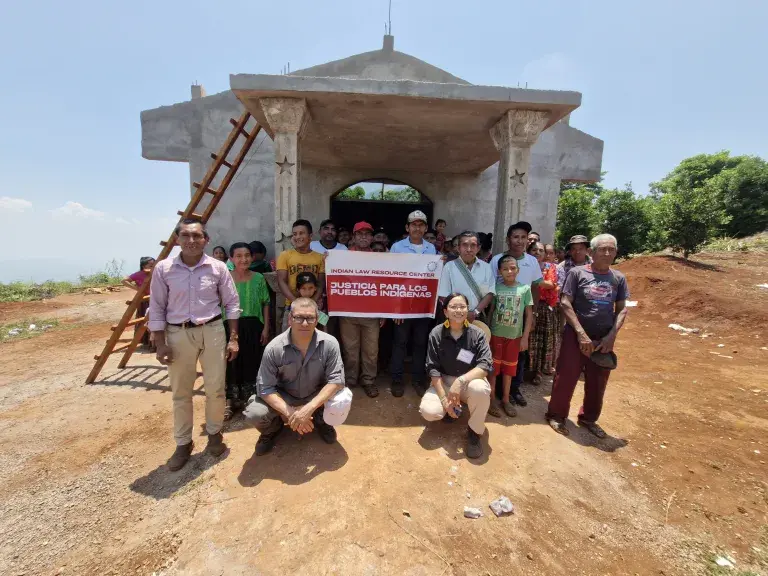
Indian tribes in Mexico and in Central and South America are treated terribly almost everywhere. The most important thing we can do to help them is to help them protect and hold on to their lands – lands they need in order to have food and to survive. This is why we are working to assist Indian communities, especially in Mexico and Central and South America, to get strong legal rights to their lands.

Discover our projects driving meaningful progress in addressing the critical issues Indigenous communities face today. From protecting land and resource rights to advocating for Indigenous women's safety and providing practical tools for environmental conservation, each project is a step toward justice, empowerment, and sustainable change.

Stay informed on the latest developments and achievements in Indigenous rights, environmental advocacy, and cultural preservation. Here, you'll find updates on our work, legislative changes, and stories that highlight the resilience and progress of Indigenous Communities.

Explore the places connected to our video content, bringing you closer to the narratives and initiatives we support through dynamic visuals.

These markers indicate locations related to powerful images, offering visual context to the stories and work we share.

Listen to the voices and stories from specific locations, connecting you to interviews, traditional narratives, and other audio content from the field.

These markers identify the geographical areas where our projects are located. They currently include North America, Central America, South America, and International regions, all focused on advancing Indigenous rights specific to that area.
The Indian Law Resource Center provides a collection of valuable resources,
including legislative updates, files, documents, and media, designed to inform and
empower Indigenous rights. These tools offer critical information to support
Indigenous rights and community initiatives.