
International
Related Projects
Related Issues
Ending Violence Against Native Women
Violence against Indigenous women in the U.S. is a severe crisis, with over 80% experiencing violence and more than half sexual violence. Murder rates on reservations can be ten times the national average, deeply impacting survivors, families, and communities. The Center's "Safe Women, Strong Nations" project works to combat this, advocating for federal action and empowering tribal nations to protect their women.
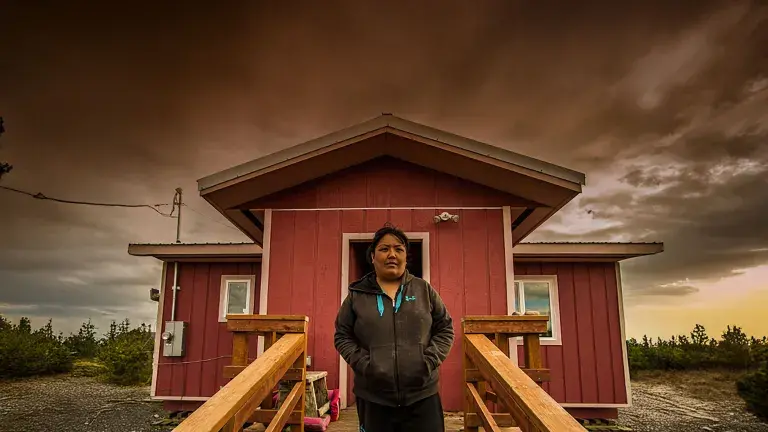
In the United States, violence against indigenous women has reached unprecedented levels on tribal lands and in Alaska Native villages.
More than 4 in 5 American Indian and Alaska Native women have experienced violence, and more than 1 in 2 have experienced sexual violence. Alaska Native women continue to suffer the highest rate of forcible sexual assault and have reported rates of domestic violence up to 10 times higher than in the rest of the United States.
Ending Violence Against Native Women
Violence against Indigenous women in the U.S. is a severe crisis, with over 80% experiencing violence and more than half sexual violence. Murder rates on reservations can be ten times the national average, deeply impacting survivors, families, and communities. The Center's "Safe Women, Strong Nations" project works to combat this, advocating for federal action and empowering tribal nations to protect their women.
In the United States, violence against indigenous women has reached unprecedented levels on tribal lands and in Alaska Native villages.
More than 4 in 5 American Indian and Alaska Native women have experienced violence, and more than 1 in 2 have experienced sexual violence. Alaska Native women continue to suffer the highest rate of forcible sexual assault and have reported rates of domestic violence up to 10 times higher than in the rest of the United States.
Ending Violence Against Native Women
Violence against Indigenous women in the U.S. is a severe crisis, with over 80% experiencing violence and more than half sexual violence. Murder rates on reservations can be ten times the national average, deeply impacting survivors, families, and communities. The Center's "Safe Women, Strong Nations" project works to combat this, advocating for federal action and empowering tribal nations to protect their women.
In the United States, violence against indigenous women has reached unprecedented levels on tribal lands and in Alaska Native villages.
More than 4 in 5 American Indian and Alaska Native women have experienced violence, and more than 1 in 2 have experienced sexual violence. Alaska Native women continue to suffer the highest rate of forcible sexual assault and have reported rates of domestic violence up to 10 times higher than in the rest of the United States.
Ending Violence Against Native Women
Violence against Indigenous women in the U.S. is a severe crisis, with over 80% experiencing violence and more than half sexual violence. Murder rates on reservations can be ten times the national average, deeply impacting survivors, families, and communities. The Center's "Safe Women, Strong Nations" project works to combat this, advocating for federal action and empowering tribal nations to protect their women.
In the United States, violence against indigenous women has reached unprecedented levels on tribal lands and in Alaska Native villages.
More than 4 in 5 American Indian and Alaska Native women have experienced violence, and more than 1 in 2 have experienced sexual violence. Alaska Native women continue to suffer the highest rate of forcible sexual assault and have reported rates of domestic violence up to 10 times higher than in the rest of the United States.
Ending Violence Against Native Women
Violence against Indigenous women in the U.S. is a severe crisis, with over 80% experiencing violence and more than half sexual violence. Murder rates on reservations can be ten times the national average, deeply impacting survivors, families, and communities. The Center's "Safe Women, Strong Nations" project works to combat this, advocating for federal action and empowering tribal nations to protect their women.
In the United States, violence against indigenous women has reached unprecedented levels on tribal lands and in Alaska Native villages.
More than 4 in 5 American Indian and Alaska Native women have experienced violence, and more than 1 in 2 have experienced sexual violence. Alaska Native women continue to suffer the highest rate of forcible sexual assault and have reported rates of domestic violence up to 10 times higher than in the rest of the United States.
Ending Violence Against Native Women
Violence against Indigenous women in the U.S. is a severe crisis, with over 80% experiencing violence and more than half sexual violence. Murder rates on reservations can be ten times the national average, deeply impacting survivors, families, and communities. The Center's "Safe Women, Strong Nations" project works to combat this, advocating for federal action and empowering tribal nations to protect their women.
In the United States, violence against indigenous women has reached unprecedented levels on tribal lands and in Alaska Native villages.
More than 4 in 5 American Indian and Alaska Native women have experienced violence, and more than 1 in 2 have experienced sexual violence. Alaska Native women continue to suffer the highest rate of forcible sexual assault and have reported rates of domestic violence up to 10 times higher than in the rest of the United States.
Ending Violence Against Native Women
Violence against Indigenous women in the U.S. is a severe crisis, with over 80% experiencing violence and more than half sexual violence. Murder rates on reservations can be ten times the national average, deeply impacting survivors, families, and communities. The Center's "Safe Women, Strong Nations" project works to combat this, advocating for federal action and empowering tribal nations to protect their women.
In the United States, violence against indigenous women has reached unprecedented levels on tribal lands and in Alaska Native villages.
More than 4 in 5 American Indian and Alaska Native women have experienced violence, and more than 1 in 2 have experienced sexual violence. Alaska Native women continue to suffer the highest rate of forcible sexual assault and have reported rates of domestic violence up to 10 times higher than in the rest of the United States.
Ending Violence Against Native Women
Violence against Indigenous women in the U.S. is a severe crisis, with over 80% experiencing violence and more than half sexual violence. Murder rates on reservations can be ten times the national average, deeply impacting survivors, families, and communities. The Center's "Safe Women, Strong Nations" project works to combat this, advocating for federal action and empowering tribal nations to protect their women.
In the United States, violence against indigenous women has reached unprecedented levels on tribal lands and in Alaska Native villages.
More than 4 in 5 American Indian and Alaska Native women have experienced violence, and more than 1 in 2 have experienced sexual violence. Alaska Native women continue to suffer the highest rate of forcible sexual assault and have reported rates of domestic violence up to 10 times higher than in the rest of the United States.
Ending Violence Against Native Women
Violence against Indigenous women in the U.S. is a severe crisis, with over 80% experiencing violence and more than half sexual violence. Murder rates on reservations can be ten times the national average, deeply impacting survivors, families, and communities. The Center's "Safe Women, Strong Nations" project works to combat this, advocating for federal action and empowering tribal nations to protect their women.
In the United States, violence against indigenous women has reached unprecedented levels on tribal lands and in Alaska Native villages.
More than 4 in 5 American Indian and Alaska Native women have experienced violence, and more than 1 in 2 have experienced sexual violence. Alaska Native women continue to suffer the highest rate of forcible sexual assault and have reported rates of domestic violence up to 10 times higher than in the rest of the United States.
Ending Violence Against Native Women
Violence against Indigenous women in the U.S. is a severe crisis, with over 80% experiencing violence and more than half sexual violence. Murder rates on reservations can be ten times the national average, deeply impacting survivors, families, and communities. The Center's "Safe Women, Strong Nations" project works to combat this, advocating for federal action and empowering tribal nations to protect their women.
In the United States, violence against indigenous women has reached unprecedented levels on tribal lands and in Alaska Native villages.
More than 4 in 5 American Indian and Alaska Native women have experienced violence, and more than 1 in 2 have experienced sexual violence. Alaska Native women continue to suffer the highest rate of forcible sexual assault and have reported rates of domestic violence up to 10 times higher than in the rest of the United States.
Ending Violence Against Native Women
Violence against Indigenous women in the U.S. is a severe crisis, with over 80% experiencing violence and more than half sexual violence. Murder rates on reservations can be ten times the national average, deeply impacting survivors, families, and communities. The Center's "Safe Women, Strong Nations" project works to combat this, advocating for federal action and empowering tribal nations to protect their women.
In the United States, violence against indigenous women has reached unprecedented levels on tribal lands and in Alaska Native villages.
More than 4 in 5 American Indian and Alaska Native women have experienced violence, and more than 1 in 2 have experienced sexual violence. Alaska Native women continue to suffer the highest rate of forcible sexual assault and have reported rates of domestic violence up to 10 times higher than in the rest of the United States.
Ending Violence Against Native Women
Violence against Indigenous women in the U.S. is a severe crisis, with over 80% experiencing violence and more than half sexual violence. Murder rates on reservations can be ten times the national average, deeply impacting survivors, families, and communities. The Center's "Safe Women, Strong Nations" project works to combat this, advocating for federal action and empowering tribal nations to protect their women.
In the United States, violence against indigenous women has reached unprecedented levels on tribal lands and in Alaska Native villages.
More than 4 in 5 American Indian and Alaska Native women have experienced violence, and more than 1 in 2 have experienced sexual violence. Alaska Native women continue to suffer the highest rate of forcible sexual assault and have reported rates of domestic violence up to 10 times higher than in the rest of the United States.
Ending Violence Against Native Women
Violence against Indigenous women in the U.S. is a severe crisis, with over 80% experiencing violence and more than half sexual violence. Murder rates on reservations can be ten times the national average, deeply impacting survivors, families, and communities. The Center's "Safe Women, Strong Nations" project works to combat this, advocating for federal action and empowering tribal nations to protect their women.
In the United States, violence against indigenous women has reached unprecedented levels on tribal lands and in Alaska Native villages.
More than 4 in 5 American Indian and Alaska Native women have experienced violence, and more than 1 in 2 have experienced sexual violence. Alaska Native women continue to suffer the highest rate of forcible sexual assault and have reported rates of domestic violence up to 10 times higher than in the rest of the United States.
Ending Violence Against Native Women
Violence against Indigenous women in the U.S. is a severe crisis, with over 80% experiencing violence and more than half sexual violence. Murder rates on reservations can be ten times the national average, deeply impacting survivors, families, and communities. The Center's "Safe Women, Strong Nations" project works to combat this, advocating for federal action and empowering tribal nations to protect their women.
In the United States, violence against indigenous women has reached unprecedented levels on tribal lands and in Alaska Native villages.
More than 4 in 5 American Indian and Alaska Native women have experienced violence, and more than 1 in 2 have experienced sexual violence. Alaska Native women continue to suffer the highest rate of forcible sexual assault and have reported rates of domestic violence up to 10 times higher than in the rest of the United States.
Ending Violence Against Native Women
Violence against Indigenous women in the U.S. is a severe crisis, with over 80% experiencing violence and more than half sexual violence. Murder rates on reservations can be ten times the national average, deeply impacting survivors, families, and communities. The Center's "Safe Women, Strong Nations" project works to combat this, advocating for federal action and empowering tribal nations to protect their women.
In the United States, violence against indigenous women has reached unprecedented levels on tribal lands and in Alaska Native villages.
More than 4 in 5 American Indian and Alaska Native women have experienced violence, and more than 1 in 2 have experienced sexual violence. Alaska Native women continue to suffer the highest rate of forcible sexual assault and have reported rates of domestic violence up to 10 times higher than in the rest of the United States.
Ending Violence Against Native Women
Violence against Indigenous women in the U.S. is a severe crisis, with over 80% experiencing violence and more than half sexual violence. Murder rates on reservations can be ten times the national average, deeply impacting survivors, families, and communities. The Center's "Safe Women, Strong Nations" project works to combat this, advocating for federal action and empowering tribal nations to protect their women.
In the United States, violence against indigenous women has reached unprecedented levels on tribal lands and in Alaska Native villages.
More than 4 in 5 American Indian and Alaska Native women have experienced violence, and more than 1 in 2 have experienced sexual violence. Alaska Native women continue to suffer the highest rate of forcible sexual assault and have reported rates of domestic violence up to 10 times higher than in the rest of the United States.
Ending Violence Against Native Women
Violence against Indigenous women in the U.S. is a severe crisis, with over 80% experiencing violence and more than half sexual violence. Murder rates on reservations can be ten times the national average, deeply impacting survivors, families, and communities. The Center's "Safe Women, Strong Nations" project works to combat this, advocating for federal action and empowering tribal nations to protect their women.
In the United States, violence against indigenous women has reached unprecedented levels on tribal lands and in Alaska Native villages.
More than 4 in 5 American Indian and Alaska Native women have experienced violence, and more than 1 in 2 have experienced sexual violence. Alaska Native women continue to suffer the highest rate of forcible sexual assault and have reported rates of domestic violence up to 10 times higher than in the rest of the United States.
Ending Violence Against Native Women
Violence against Indigenous women in the U.S. is a severe crisis, with over 80% experiencing violence and more than half sexual violence. Murder rates on reservations can be ten times the national average, deeply impacting survivors, families, and communities. The Center's "Safe Women, Strong Nations" project works to combat this, advocating for federal action and empowering tribal nations to protect their women.
In the United States, violence against indigenous women has reached unprecedented levels on tribal lands and in Alaska Native villages.
More than 4 in 5 American Indian and Alaska Native women have experienced violence, and more than 1 in 2 have experienced sexual violence. Alaska Native women continue to suffer the highest rate of forcible sexual assault and have reported rates of domestic violence up to 10 times higher than in the rest of the United States.
Ending Violence Against Native Women
Violence against Indigenous women in the U.S. is a severe crisis, with over 80% experiencing violence and more than half sexual violence. Murder rates on reservations can be ten times the national average, deeply impacting survivors, families, and communities. The Center's "Safe Women, Strong Nations" project works to combat this, advocating for federal action and empowering tribal nations to protect their women.
In the United States, violence against indigenous women has reached unprecedented levels on tribal lands and in Alaska Native villages.
More than 4 in 5 American Indian and Alaska Native women have experienced violence, and more than 1 in 2 have experienced sexual violence. Alaska Native women continue to suffer the highest rate of forcible sexual assault and have reported rates of domestic violence up to 10 times higher than in the rest of the United States.
Ending Violence Against Native Women
Violence against Indigenous women in the U.S. is a severe crisis, with over 80% experiencing violence and more than half sexual violence. Murder rates on reservations can be ten times the national average, deeply impacting survivors, families, and communities. The Center's "Safe Women, Strong Nations" project works to combat this, advocating for federal action and empowering tribal nations to protect their women.
In the United States, violence against indigenous women has reached unprecedented levels on tribal lands and in Alaska Native villages.
More than 4 in 5 American Indian and Alaska Native women have experienced violence, and more than 1 in 2 have experienced sexual violence. Alaska Native women continue to suffer the highest rate of forcible sexual assault and have reported rates of domestic violence up to 10 times higher than in the rest of the United States.
Ending Violence Against Native Women
Violence against Indigenous women in the U.S. is a severe crisis, with over 80% experiencing violence and more than half sexual violence. Murder rates on reservations can be ten times the national average, deeply impacting survivors, families, and communities. The Center's "Safe Women, Strong Nations" project works to combat this, advocating for federal action and empowering tribal nations to protect their women.
In the United States, violence against indigenous women has reached unprecedented levels on tribal lands and in Alaska Native villages.
More than 4 in 5 American Indian and Alaska Native women have experienced violence, and more than 1 in 2 have experienced sexual violence. Alaska Native women continue to suffer the highest rate of forcible sexual assault and have reported rates of domestic violence up to 10 times higher than in the rest of the United States.
Ending Violence Against Native Women
Violence against Indigenous women in the U.S. is a severe crisis, with over 80% experiencing violence and more than half sexual violence. Murder rates on reservations can be ten times the national average, deeply impacting survivors, families, and communities. The Center's "Safe Women, Strong Nations" project works to combat this, advocating for federal action and empowering tribal nations to protect their women.
In the United States, violence against indigenous women has reached unprecedented levels on tribal lands and in Alaska Native villages.
More than 4 in 5 American Indian and Alaska Native women have experienced violence, and more than 1 in 2 have experienced sexual violence. Alaska Native women continue to suffer the highest rate of forcible sexual assault and have reported rates of domestic violence up to 10 times higher than in the rest of the United States.
Ending Violence Against Native Women
Violence against Indigenous women in the U.S. is a severe crisis, with over 80% experiencing violence and more than half sexual violence. Murder rates on reservations can be ten times the national average, deeply impacting survivors, families, and communities. The Center's "Safe Women, Strong Nations" project works to combat this, advocating for federal action and empowering tribal nations to protect their women.
In the United States, violence against indigenous women has reached unprecedented levels on tribal lands and in Alaska Native villages.
More than 4 in 5 American Indian and Alaska Native women have experienced violence, and more than 1 in 2 have experienced sexual violence. Alaska Native women continue to suffer the highest rate of forcible sexual assault and have reported rates of domestic violence up to 10 times higher than in the rest of the United States.
Ending Violence Against Native Women
Violence against Indigenous women in the U.S. is a severe crisis, with over 80% experiencing violence and more than half sexual violence. Murder rates on reservations can be ten times the national average, deeply impacting survivors, families, and communities. The Center's "Safe Women, Strong Nations" project works to combat this, advocating for federal action and empowering tribal nations to protect their women.
In the United States, violence against indigenous women has reached unprecedented levels on tribal lands and in Alaska Native villages.
More than 4 in 5 American Indian and Alaska Native women have experienced violence, and more than 1 in 2 have experienced sexual violence. Alaska Native women continue to suffer the highest rate of forcible sexual assault and have reported rates of domestic violence up to 10 times higher than in the rest of the United States.
Ending Violence Against Native Women
Violence against Indigenous women in the U.S. is a severe crisis, with over 80% experiencing violence and more than half sexual violence. Murder rates on reservations can be ten times the national average, deeply impacting survivors, families, and communities. The Center's "Safe Women, Strong Nations" project works to combat this, advocating for federal action and empowering tribal nations to protect their women.
In the United States, violence against indigenous women has reached unprecedented levels on tribal lands and in Alaska Native villages.
More than 4 in 5 American Indian and Alaska Native women have experienced violence, and more than 1 in 2 have experienced sexual violence. Alaska Native women continue to suffer the highest rate of forcible sexual assault and have reported rates of domestic violence up to 10 times higher than in the rest of the United States.
Ending Violence Against Native Women
Violence against Indigenous women in the U.S. is a severe crisis, with over 80% experiencing violence and more than half sexual violence. Murder rates on reservations can be ten times the national average, deeply impacting survivors, families, and communities. The Center's "Safe Women, Strong Nations" project works to combat this, advocating for federal action and empowering tribal nations to protect their women.
In the United States, violence against indigenous women has reached unprecedented levels on tribal lands and in Alaska Native villages.
More than 4 in 5 American Indian and Alaska Native women have experienced violence, and more than 1 in 2 have experienced sexual violence. Alaska Native women continue to suffer the highest rate of forcible sexual assault and have reported rates of domestic violence up to 10 times higher than in the rest of the United States.
Ending Violence Against Native Women
Violence against Indigenous women in the U.S. is a severe crisis, with over 80% experiencing violence and more than half sexual violence. Murder rates on reservations can be ten times the national average, deeply impacting survivors, families, and communities. The Center's "Safe Women, Strong Nations" project works to combat this, advocating for federal action and empowering tribal nations to protect their women.
In the United States, violence against indigenous women has reached unprecedented levels on tribal lands and in Alaska Native villages.
More than 4 in 5 American Indian and Alaska Native women have experienced violence, and more than 1 in 2 have experienced sexual violence. Alaska Native women continue to suffer the highest rate of forcible sexual assault and have reported rates of domestic violence up to 10 times higher than in the rest of the United States.
Ending Violence Against Native Women
Violence against Indigenous women in the U.S. is a severe crisis, with over 80% experiencing violence and more than half sexual violence. Murder rates on reservations can be ten times the national average, deeply impacting survivors, families, and communities. The Center's "Safe Women, Strong Nations" project works to combat this, advocating for federal action and empowering tribal nations to protect their women.
In the United States, violence against indigenous women has reached unprecedented levels on tribal lands and in Alaska Native villages.
More than 4 in 5 American Indian and Alaska Native women have experienced violence, and more than 1 in 2 have experienced sexual violence. Alaska Native women continue to suffer the highest rate of forcible sexual assault and have reported rates of domestic violence up to 10 times higher than in the rest of the United States.
Ending Violence Against Native Women
Violence against Indigenous women in the U.S. is a severe crisis, with over 80% experiencing violence and more than half sexual violence. Murder rates on reservations can be ten times the national average, deeply impacting survivors, families, and communities. The Center's "Safe Women, Strong Nations" project works to combat this, advocating for federal action and empowering tribal nations to protect their women.
In the United States, violence against indigenous women has reached unprecedented levels on tribal lands and in Alaska Native villages.
More than 4 in 5 American Indian and Alaska Native women have experienced violence, and more than 1 in 2 have experienced sexual violence. Alaska Native women continue to suffer the highest rate of forcible sexual assault and have reported rates of domestic violence up to 10 times higher than in the rest of the United States.
Ending Violence Against Native Women
Violence against Indigenous women in the U.S. is a severe crisis, with over 80% experiencing violence and more than half sexual violence. Murder rates on reservations can be ten times the national average, deeply impacting survivors, families, and communities. The Center's "Safe Women, Strong Nations" project works to combat this, advocating for federal action and empowering tribal nations to protect their women.
In the United States, violence against indigenous women has reached unprecedented levels on tribal lands and in Alaska Native villages.
More than 4 in 5 American Indian and Alaska Native women have experienced violence, and more than 1 in 2 have experienced sexual violence. Alaska Native women continue to suffer the highest rate of forcible sexual assault and have reported rates of domestic violence up to 10 times higher than in the rest of the United States.
Ending Violence Against Native Women
Violence against Indigenous women in the U.S. is a severe crisis, with over 80% experiencing violence and more than half sexual violence. Murder rates on reservations can be ten times the national average, deeply impacting survivors, families, and communities. The Center's "Safe Women, Strong Nations" project works to combat this, advocating for federal action and empowering tribal nations to protect their women.
In the United States, violence against indigenous women has reached unprecedented levels on tribal lands and in Alaska Native villages.
More than 4 in 5 American Indian and Alaska Native women have experienced violence, and more than 1 in 2 have experienced sexual violence. Alaska Native women continue to suffer the highest rate of forcible sexual assault and have reported rates of domestic violence up to 10 times higher than in the rest of the United States.
Ending Violence Against Native Women
Violence against Indigenous women in the U.S. is a severe crisis, with over 80% experiencing violence and more than half sexual violence. Murder rates on reservations can be ten times the national average, deeply impacting survivors, families, and communities. The Center's "Safe Women, Strong Nations" project works to combat this, advocating for federal action and empowering tribal nations to protect their women.
In the United States, violence against indigenous women has reached unprecedented levels on tribal lands and in Alaska Native villages.
More than 4 in 5 American Indian and Alaska Native women have experienced violence, and more than 1 in 2 have experienced sexual violence. Alaska Native women continue to suffer the highest rate of forcible sexual assault and have reported rates of domestic violence up to 10 times higher than in the rest of the United States.
Ending Violence Against Native Women
Violence against Indigenous women in the U.S. is a severe crisis, with over 80% experiencing violence and more than half sexual violence. Murder rates on reservations can be ten times the national average, deeply impacting survivors, families, and communities. The Center's "Safe Women, Strong Nations" project works to combat this, advocating for federal action and empowering tribal nations to protect their women.
In the United States, violence against indigenous women has reached unprecedented levels on tribal lands and in Alaska Native villages.
More than 4 in 5 American Indian and Alaska Native women have experienced violence, and more than 1 in 2 have experienced sexual violence. Alaska Native women continue to suffer the highest rate of forcible sexual assault and have reported rates of domestic violence up to 10 times higher than in the rest of the United States.
Ending Violence Against Native Women
Violence against Indigenous women in the U.S. is a severe crisis, with over 80% experiencing violence and more than half sexual violence. Murder rates on reservations can be ten times the national average, deeply impacting survivors, families, and communities. The Center's "Safe Women, Strong Nations" project works to combat this, advocating for federal action and empowering tribal nations to protect their women.
In the United States, violence against indigenous women has reached unprecedented levels on tribal lands and in Alaska Native villages.
More than 4 in 5 American Indian and Alaska Native women have experienced violence, and more than 1 in 2 have experienced sexual violence. Alaska Native women continue to suffer the highest rate of forcible sexual assault and have reported rates of domestic violence up to 10 times higher than in the rest of the United States.
Ending Violence Against Native Women
Violence against Indigenous women in the U.S. is a severe crisis, with over 80% experiencing violence and more than half sexual violence. Murder rates on reservations can be ten times the national average, deeply impacting survivors, families, and communities. The Center's "Safe Women, Strong Nations" project works to combat this, advocating for federal action and empowering tribal nations to protect their women.
In the United States, violence against indigenous women has reached unprecedented levels on tribal lands and in Alaska Native villages.
More than 4 in 5 American Indian and Alaska Native women have experienced violence, and more than 1 in 2 have experienced sexual violence. Alaska Native women continue to suffer the highest rate of forcible sexual assault and have reported rates of domestic violence up to 10 times higher than in the rest of the United States.
Ending Violence Against Native Women
Violence against Indigenous women in the U.S. is a severe crisis, with over 80% experiencing violence and more than half sexual violence. Murder rates on reservations can be ten times the national average, deeply impacting survivors, families, and communities. The Center's "Safe Women, Strong Nations" project works to combat this, advocating for federal action and empowering tribal nations to protect their women.
In the United States, violence against indigenous women has reached unprecedented levels on tribal lands and in Alaska Native villages.
More than 4 in 5 American Indian and Alaska Native women have experienced violence, and more than 1 in 2 have experienced sexual violence. Alaska Native women continue to suffer the highest rate of forcible sexual assault and have reported rates of domestic violence up to 10 times higher than in the rest of the United States.
Ending Violence Against Native Women
Violence against Indigenous women in the U.S. is a severe crisis, with over 80% experiencing violence and more than half sexual violence. Murder rates on reservations can be ten times the national average, deeply impacting survivors, families, and communities. The Center's "Safe Women, Strong Nations" project works to combat this, advocating for federal action and empowering tribal nations to protect their women.
In the United States, violence against indigenous women has reached unprecedented levels on tribal lands and in Alaska Native villages.
More than 4 in 5 American Indian and Alaska Native women have experienced violence, and more than 1 in 2 have experienced sexual violence. Alaska Native women continue to suffer the highest rate of forcible sexual assault and have reported rates of domestic violence up to 10 times higher than in the rest of the United States.
Ending Violence Against Native Women
Violence against Indigenous women in the U.S. is a severe crisis, with over 80% experiencing violence and more than half sexual violence. Murder rates on reservations can be ten times the national average, deeply impacting survivors, families, and communities. The Center's "Safe Women, Strong Nations" project works to combat this, advocating for federal action and empowering tribal nations to protect their women.
In the United States, violence against indigenous women has reached unprecedented levels on tribal lands and in Alaska Native villages.
More than 4 in 5 American Indian and Alaska Native women have experienced violence, and more than 1 in 2 have experienced sexual violence. Alaska Native women continue to suffer the highest rate of forcible sexual assault and have reported rates of domestic violence up to 10 times higher than in the rest of the United States.
Ending Violence Against Native Women
Violence against Indigenous women in the U.S. is a severe crisis, with over 80% experiencing violence and more than half sexual violence. Murder rates on reservations can be ten times the national average, deeply impacting survivors, families, and communities. The Center's "Safe Women, Strong Nations" project works to combat this, advocating for federal action and empowering tribal nations to protect their women.
In the United States, violence against indigenous women has reached unprecedented levels on tribal lands and in Alaska Native villages.
More than 4 in 5 American Indian and Alaska Native women have experienced violence, and more than 1 in 2 have experienced sexual violence. Alaska Native women continue to suffer the highest rate of forcible sexual assault and have reported rates of domestic violence up to 10 times higher than in the rest of the United States.
Ending Violence Against Native Women
Violence against Indigenous women in the U.S. is a severe crisis, with over 80% experiencing violence and more than half sexual violence. Murder rates on reservations can be ten times the national average, deeply impacting survivors, families, and communities. The Center's "Safe Women, Strong Nations" project works to combat this, advocating for federal action and empowering tribal nations to protect their women.
In the United States, violence against indigenous women has reached unprecedented levels on tribal lands and in Alaska Native villages.
More than 4 in 5 American Indian and Alaska Native women have experienced violence, and more than 1 in 2 have experienced sexual violence. Alaska Native women continue to suffer the highest rate of forcible sexual assault and have reported rates of domestic violence up to 10 times higher than in the rest of the United States.
Ending Violence Against Native Women
Violence against Indigenous women in the U.S. is a severe crisis, with over 80% experiencing violence and more than half sexual violence. Murder rates on reservations can be ten times the national average, deeply impacting survivors, families, and communities. The Center's "Safe Women, Strong Nations" project works to combat this, advocating for federal action and empowering tribal nations to protect their women.
In the United States, violence against indigenous women has reached unprecedented levels on tribal lands and in Alaska Native villages.
More than 4 in 5 American Indian and Alaska Native women have experienced violence, and more than 1 in 2 have experienced sexual violence. Alaska Native women continue to suffer the highest rate of forcible sexual assault and have reported rates of domestic violence up to 10 times higher than in the rest of the United States.
Ending Violence Against Native Women
Violence against Indigenous women in the U.S. is a severe crisis, with over 80% experiencing violence and more than half sexual violence. Murder rates on reservations can be ten times the national average, deeply impacting survivors, families, and communities. The Center's "Safe Women, Strong Nations" project works to combat this, advocating for federal action and empowering tribal nations to protect their women.
In the United States, violence against indigenous women has reached unprecedented levels on tribal lands and in Alaska Native villages.
More than 4 in 5 American Indian and Alaska Native women have experienced violence, and more than 1 in 2 have experienced sexual violence. Alaska Native women continue to suffer the highest rate of forcible sexual assault and have reported rates of domestic violence up to 10 times higher than in the rest of the United States.
Ending Violence Against Native Women
Violence against Indigenous women in the U.S. is a severe crisis, with over 80% experiencing violence and more than half sexual violence. Murder rates on reservations can be ten times the national average, deeply impacting survivors, families, and communities. The Center's "Safe Women, Strong Nations" project works to combat this, advocating for federal action and empowering tribal nations to protect their women.
In the United States, violence against indigenous women has reached unprecedented levels on tribal lands and in Alaska Native villages.
More than 4 in 5 American Indian and Alaska Native women have experienced violence, and more than 1 in 2 have experienced sexual violence. Alaska Native women continue to suffer the highest rate of forcible sexual assault and have reported rates of domestic violence up to 10 times higher than in the rest of the United States.
Ending Violence Against Native Women
Violence against Indigenous women in the U.S. is a severe crisis, with over 80% experiencing violence and more than half sexual violence. Murder rates on reservations can be ten times the national average, deeply impacting survivors, families, and communities. The Center's "Safe Women, Strong Nations" project works to combat this, advocating for federal action and empowering tribal nations to protect their women.
In the United States, violence against indigenous women has reached unprecedented levels on tribal lands and in Alaska Native villages.
More than 4 in 5 American Indian and Alaska Native women have experienced violence, and more than 1 in 2 have experienced sexual violence. Alaska Native women continue to suffer the highest rate of forcible sexual assault and have reported rates of domestic violence up to 10 times higher than in the rest of the United States.
Environmental Protection
Indigenous cultures view land rights, environmental protection, and human rights as interconnected. Threats to one impact all. The Center's work, exemplified by projects with the Yukon River Inter-Tribal Watershed Council and Fort Belknap Reservation, addresses this holistic relationship, emphasizing that severing ties to the earth leads to cultural and community devastation.
Environmental Protection
Indigenous cultures view land rights, environmental protection, and human rights as interconnected. Threats to one impact all. The Center's work, exemplified by projects with the Yukon River Inter-Tribal Watershed Council and Fort Belknap Reservation, addresses this holistic relationship, emphasizing that severing ties to the earth leads to cultural and community devastation.
Environmental Protection
Indigenous cultures view land rights, environmental protection, and human rights as interconnected. Threats to one impact all. The Center's work, exemplified by projects with the Yukon River Inter-Tribal Watershed Council and Fort Belknap Reservation, addresses this holistic relationship, emphasizing that severing ties to the earth leads to cultural and community devastation.
Environmental Protection
Indigenous cultures view land rights, environmental protection, and human rights as interconnected. Threats to one impact all. The Center's work, exemplified by projects with the Yukon River Inter-Tribal Watershed Council and Fort Belknap Reservation, addresses this holistic relationship, emphasizing that severing ties to the earth leads to cultural and community devastation.
Environmental Protection
Indigenous cultures view land rights, environmental protection, and human rights as interconnected. Threats to one impact all. The Center's work, exemplified by projects with the Yukon River Inter-Tribal Watershed Council and Fort Belknap Reservation, addresses this holistic relationship, emphasizing that severing ties to the earth leads to cultural and community devastation.
Environmental Protection
Indigenous cultures view land rights, environmental protection, and human rights as interconnected. Threats to one impact all. The Center's work, exemplified by projects with the Yukon River Inter-Tribal Watershed Council and Fort Belknap Reservation, addresses this holistic relationship, emphasizing that severing ties to the earth leads to cultural and community devastation.
Environmental Protection
Indigenous cultures view land rights, environmental protection, and human rights as interconnected. Threats to one impact all. The Center's work, exemplified by projects with the Yukon River Inter-Tribal Watershed Council and Fort Belknap Reservation, addresses this holistic relationship, emphasizing that severing ties to the earth leads to cultural and community devastation.
Environmental Protection
Indigenous cultures view land rights, environmental protection, and human rights as interconnected. Threats to one impact all. The Center's work, exemplified by projects with the Yukon River Inter-Tribal Watershed Council and Fort Belknap Reservation, addresses this holistic relationship, emphasizing that severing ties to the earth leads to cultural and community devastation.
Environmental Protection
Indigenous cultures view land rights, environmental protection, and human rights as interconnected. Threats to one impact all. The Center's work, exemplified by projects with the Yukon River Inter-Tribal Watershed Council and Fort Belknap Reservation, addresses this holistic relationship, emphasizing that severing ties to the earth leads to cultural and community devastation.
Environmental Protection
Indigenous cultures view land rights, environmental protection, and human rights as interconnected. Threats to one impact all. The Center's work, exemplified by projects with the Yukon River Inter-Tribal Watershed Council and Fort Belknap Reservation, addresses this holistic relationship, emphasizing that severing ties to the earth leads to cultural and community devastation.
Environmental Protection
Indigenous cultures view land rights, environmental protection, and human rights as interconnected. Threats to one impact all. The Center's work, exemplified by projects with the Yukon River Inter-Tribal Watershed Council and Fort Belknap Reservation, addresses this holistic relationship, emphasizing that severing ties to the earth leads to cultural and community devastation.
Environmental Protection
Indigenous cultures view land rights, environmental protection, and human rights as interconnected. Threats to one impact all. The Center's work, exemplified by projects with the Yukon River Inter-Tribal Watershed Council and Fort Belknap Reservation, addresses this holistic relationship, emphasizing that severing ties to the earth leads to cultural and community devastation.
Environmental Protection
Indigenous cultures view land rights, environmental protection, and human rights as interconnected. Threats to one impact all. The Center's work, exemplified by projects with the Yukon River Inter-Tribal Watershed Council and Fort Belknap Reservation, addresses this holistic relationship, emphasizing that severing ties to the earth leads to cultural and community devastation.
Environmental Protection
Indigenous cultures view land rights, environmental protection, and human rights as interconnected. Threats to one impact all. The Center's work, exemplified by projects with the Yukon River Inter-Tribal Watershed Council and Fort Belknap Reservation, addresses this holistic relationship, emphasizing that severing ties to the earth leads to cultural and community devastation.
Environmental Protection
Indigenous cultures view land rights, environmental protection, and human rights as interconnected. Threats to one impact all. The Center's work, exemplified by projects with the Yukon River Inter-Tribal Watershed Council and Fort Belknap Reservation, addresses this holistic relationship, emphasizing that severing ties to the earth leads to cultural and community devastation.
Environmental Protection
Indigenous cultures view land rights, environmental protection, and human rights as interconnected. Threats to one impact all. The Center's work, exemplified by projects with the Yukon River Inter-Tribal Watershed Council and Fort Belknap Reservation, addresses this holistic relationship, emphasizing that severing ties to the earth leads to cultural and community devastation.
Environmental Protection
Indigenous cultures view land rights, environmental protection, and human rights as interconnected. Threats to one impact all. The Center's work, exemplified by projects with the Yukon River Inter-Tribal Watershed Council and Fort Belknap Reservation, addresses this holistic relationship, emphasizing that severing ties to the earth leads to cultural and community devastation.
Environmental Protection
Indigenous cultures view land rights, environmental protection, and human rights as interconnected. Threats to one impact all. The Center's work, exemplified by projects with the Yukon River Inter-Tribal Watershed Council and Fort Belknap Reservation, addresses this holistic relationship, emphasizing that severing ties to the earth leads to cultural and community devastation.
Environmental Protection
Indigenous cultures view land rights, environmental protection, and human rights as interconnected. Threats to one impact all. The Center's work, exemplified by projects with the Yukon River Inter-Tribal Watershed Council and Fort Belknap Reservation, addresses this holistic relationship, emphasizing that severing ties to the earth leads to cultural and community devastation.
Environmental Protection
Indigenous cultures view land rights, environmental protection, and human rights as interconnected. Threats to one impact all. The Center's work, exemplified by projects with the Yukon River Inter-Tribal Watershed Council and Fort Belknap Reservation, addresses this holistic relationship, emphasizing that severing ties to the earth leads to cultural and community devastation.
Environmental Protection
Indigenous cultures view land rights, environmental protection, and human rights as interconnected. Threats to one impact all. The Center's work, exemplified by projects with the Yukon River Inter-Tribal Watershed Council and Fort Belknap Reservation, addresses this holistic relationship, emphasizing that severing ties to the earth leads to cultural and community devastation.
Environmental Protection
Indigenous cultures view land rights, environmental protection, and human rights as interconnected. Threats to one impact all. The Center's work, exemplified by projects with the Yukon River Inter-Tribal Watershed Council and Fort Belknap Reservation, addresses this holistic relationship, emphasizing that severing ties to the earth leads to cultural and community devastation.
Environmental Protection
Indigenous cultures view land rights, environmental protection, and human rights as interconnected. Threats to one impact all. The Center's work, exemplified by projects with the Yukon River Inter-Tribal Watershed Council and Fort Belknap Reservation, addresses this holistic relationship, emphasizing that severing ties to the earth leads to cultural and community devastation.
Environmental Protection
Indigenous cultures view land rights, environmental protection, and human rights as interconnected. Threats to one impact all. The Center's work, exemplified by projects with the Yukon River Inter-Tribal Watershed Council and Fort Belknap Reservation, addresses this holistic relationship, emphasizing that severing ties to the earth leads to cultural and community devastation.
Environmental Protection
Indigenous cultures view land rights, environmental protection, and human rights as interconnected. Threats to one impact all. The Center's work, exemplified by projects with the Yukon River Inter-Tribal Watershed Council and Fort Belknap Reservation, addresses this holistic relationship, emphasizing that severing ties to the earth leads to cultural and community devastation.
Environmental Protection
Indigenous cultures view land rights, environmental protection, and human rights as interconnected. Threats to one impact all. The Center's work, exemplified by projects with the Yukon River Inter-Tribal Watershed Council and Fort Belknap Reservation, addresses this holistic relationship, emphasizing that severing ties to the earth leads to cultural and community devastation.
Environmental Protection
Indigenous cultures view land rights, environmental protection, and human rights as interconnected. Threats to one impact all. The Center's work, exemplified by projects with the Yukon River Inter-Tribal Watershed Council and Fort Belknap Reservation, addresses this holistic relationship, emphasizing that severing ties to the earth leads to cultural and community devastation.
Environmental Protection
Indigenous cultures view land rights, environmental protection, and human rights as interconnected. Threats to one impact all. The Center's work, exemplified by projects with the Yukon River Inter-Tribal Watershed Council and Fort Belknap Reservation, addresses this holistic relationship, emphasizing that severing ties to the earth leads to cultural and community devastation.
Environmental Protection
Indigenous cultures view land rights, environmental protection, and human rights as interconnected. Threats to one impact all. The Center's work, exemplified by projects with the Yukon River Inter-Tribal Watershed Council and Fort Belknap Reservation, addresses this holistic relationship, emphasizing that severing ties to the earth leads to cultural and community devastation.
Environmental Protection
Indigenous cultures view land rights, environmental protection, and human rights as interconnected. Threats to one impact all. The Center's work, exemplified by projects with the Yukon River Inter-Tribal Watershed Council and Fort Belknap Reservation, addresses this holistic relationship, emphasizing that severing ties to the earth leads to cultural and community devastation.
Environmental Protection
Indigenous cultures view land rights, environmental protection, and human rights as interconnected. Threats to one impact all. The Center's work, exemplified by projects with the Yukon River Inter-Tribal Watershed Council and Fort Belknap Reservation, addresses this holistic relationship, emphasizing that severing ties to the earth leads to cultural and community devastation.
Environmental Protection
Indigenous cultures view land rights, environmental protection, and human rights as interconnected. Threats to one impact all. The Center's work, exemplified by projects with the Yukon River Inter-Tribal Watershed Council and Fort Belknap Reservation, addresses this holistic relationship, emphasizing that severing ties to the earth leads to cultural and community devastation.
Environmental Protection
Indigenous cultures view land rights, environmental protection, and human rights as interconnected. Threats to one impact all. The Center's work, exemplified by projects with the Yukon River Inter-Tribal Watershed Council and Fort Belknap Reservation, addresses this holistic relationship, emphasizing that severing ties to the earth leads to cultural and community devastation.
Environmental Protection
Indigenous cultures view land rights, environmental protection, and human rights as interconnected. Threats to one impact all. The Center's work, exemplified by projects with the Yukon River Inter-Tribal Watershed Council and Fort Belknap Reservation, addresses this holistic relationship, emphasizing that severing ties to the earth leads to cultural and community devastation.
Environmental Protection
Indigenous cultures view land rights, environmental protection, and human rights as interconnected. Threats to one impact all. The Center's work, exemplified by projects with the Yukon River Inter-Tribal Watershed Council and Fort Belknap Reservation, addresses this holistic relationship, emphasizing that severing ties to the earth leads to cultural and community devastation.
Environmental Protection
Indigenous cultures view land rights, environmental protection, and human rights as interconnected. Threats to one impact all. The Center's work, exemplified by projects with the Yukon River Inter-Tribal Watershed Council and Fort Belknap Reservation, addresses this holistic relationship, emphasizing that severing ties to the earth leads to cultural and community devastation.
Environmental Protection
Indigenous cultures view land rights, environmental protection, and human rights as interconnected. Threats to one impact all. The Center's work, exemplified by projects with the Yukon River Inter-Tribal Watershed Council and Fort Belknap Reservation, addresses this holistic relationship, emphasizing that severing ties to the earth leads to cultural and community devastation.
Environmental Protection
Indigenous cultures view land rights, environmental protection, and human rights as interconnected. Threats to one impact all. The Center's work, exemplified by projects with the Yukon River Inter-Tribal Watershed Council and Fort Belknap Reservation, addresses this holistic relationship, emphasizing that severing ties to the earth leads to cultural and community devastation.
Environmental Protection
Indigenous cultures view land rights, environmental protection, and human rights as interconnected. Threats to one impact all. The Center's work, exemplified by projects with the Yukon River Inter-Tribal Watershed Council and Fort Belknap Reservation, addresses this holistic relationship, emphasizing that severing ties to the earth leads to cultural and community devastation.
Environmental Protection
Indigenous cultures view land rights, environmental protection, and human rights as interconnected. Threats to one impact all. The Center's work, exemplified by projects with the Yukon River Inter-Tribal Watershed Council and Fort Belknap Reservation, addresses this holistic relationship, emphasizing that severing ties to the earth leads to cultural and community devastation.
Environmental Protection
Indigenous cultures view land rights, environmental protection, and human rights as interconnected. Threats to one impact all. The Center's work, exemplified by projects with the Yukon River Inter-Tribal Watershed Council and Fort Belknap Reservation, addresses this holistic relationship, emphasizing that severing ties to the earth leads to cultural and community devastation.
Environmental Protection
Indigenous cultures view land rights, environmental protection, and human rights as interconnected. Threats to one impact all. The Center's work, exemplified by projects with the Yukon River Inter-Tribal Watershed Council and Fort Belknap Reservation, addresses this holistic relationship, emphasizing that severing ties to the earth leads to cultural and community devastation.
Environmental Protection
Indigenous cultures view land rights, environmental protection, and human rights as interconnected. Threats to one impact all. The Center's work, exemplified by projects with the Yukon River Inter-Tribal Watershed Council and Fort Belknap Reservation, addresses this holistic relationship, emphasizing that severing ties to the earth leads to cultural and community devastation.
Environmental Protection
Indigenous cultures view land rights, environmental protection, and human rights as interconnected. Threats to one impact all. The Center's work, exemplified by projects with the Yukon River Inter-Tribal Watershed Council and Fort Belknap Reservation, addresses this holistic relationship, emphasizing that severing ties to the earth leads to cultural and community devastation.
Environmental Protection
Indigenous cultures view land rights, environmental protection, and human rights as interconnected. Threats to one impact all. The Center's work, exemplified by projects with the Yukon River Inter-Tribal Watershed Council and Fort Belknap Reservation, addresses this holistic relationship, emphasizing that severing ties to the earth leads to cultural and community devastation.
Environmental Protection
Indigenous cultures view land rights, environmental protection, and human rights as interconnected. Threats to one impact all. The Center's work, exemplified by projects with the Yukon River Inter-Tribal Watershed Council and Fort Belknap Reservation, addresses this holistic relationship, emphasizing that severing ties to the earth leads to cultural and community devastation.
Environmental Protection
Indigenous cultures view land rights, environmental protection, and human rights as interconnected. Threats to one impact all. The Center's work, exemplified by projects with the Yukon River Inter-Tribal Watershed Council and Fort Belknap Reservation, addresses this holistic relationship, emphasizing that severing ties to the earth leads to cultural and community devastation.
Environmental Protection
Indigenous cultures view land rights, environmental protection, and human rights as interconnected. Threats to one impact all. The Center's work, exemplified by projects with the Yukon River Inter-Tribal Watershed Council and Fort Belknap Reservation, addresses this holistic relationship, emphasizing that severing ties to the earth leads to cultural and community devastation.
Environmental Protection
Indigenous cultures view land rights, environmental protection, and human rights as interconnected. Threats to one impact all. The Center's work, exemplified by projects with the Yukon River Inter-Tribal Watershed Council and Fort Belknap Reservation, addresses this holistic relationship, emphasizing that severing ties to the earth leads to cultural and community devastation.
Environmental Protection
Indigenous cultures view land rights, environmental protection, and human rights as interconnected. Threats to one impact all. The Center's work, exemplified by projects with the Yukon River Inter-Tribal Watershed Council and Fort Belknap Reservation, addresses this holistic relationship, emphasizing that severing ties to the earth leads to cultural and community devastation.
Environmental Protection
Indigenous cultures view land rights, environmental protection, and human rights as interconnected. Threats to one impact all. The Center's work, exemplified by projects with the Yukon River Inter-Tribal Watershed Council and Fort Belknap Reservation, addresses this holistic relationship, emphasizing that severing ties to the earth leads to cultural and community devastation.
Environmental Protection
Indigenous cultures view land rights, environmental protection, and human rights as interconnected. Threats to one impact all. The Center's work, exemplified by projects with the Yukon River Inter-Tribal Watershed Council and Fort Belknap Reservation, addresses this holistic relationship, emphasizing that severing ties to the earth leads to cultural and community devastation.
Environmental Protection
Indigenous cultures view land rights, environmental protection, and human rights as interconnected. Threats to one impact all. The Center's work, exemplified by projects with the Yukon River Inter-Tribal Watershed Council and Fort Belknap Reservation, addresses this holistic relationship, emphasizing that severing ties to the earth leads to cultural and community devastation.
Environmental Protection
Indigenous cultures view land rights, environmental protection, and human rights as interconnected. Threats to one impact all. The Center's work, exemplified by projects with the Yukon River Inter-Tribal Watershed Council and Fort Belknap Reservation, addresses this holistic relationship, emphasizing that severing ties to the earth leads to cultural and community devastation.
Environmental Protection
Indigenous cultures view land rights, environmental protection, and human rights as interconnected. Threats to one impact all. The Center's work, exemplified by projects with the Yukon River Inter-Tribal Watershed Council and Fort Belknap Reservation, addresses this holistic relationship, emphasizing that severing ties to the earth leads to cultural and community devastation.
Environmental Protection
Indigenous cultures view land rights, environmental protection, and human rights as interconnected. Threats to one impact all. The Center's work, exemplified by projects with the Yukon River Inter-Tribal Watershed Council and Fort Belknap Reservation, addresses this holistic relationship, emphasizing that severing ties to the earth leads to cultural and community devastation.
Environmental Protection
Indigenous cultures view land rights, environmental protection, and human rights as interconnected. Threats to one impact all. The Center's work, exemplified by projects with the Yukon River Inter-Tribal Watershed Council and Fort Belknap Reservation, addresses this holistic relationship, emphasizing that severing ties to the earth leads to cultural and community devastation.
Environmental Protection
Indigenous cultures view land rights, environmental protection, and human rights as interconnected. Threats to one impact all. The Center's work, exemplified by projects with the Yukon River Inter-Tribal Watershed Council and Fort Belknap Reservation, addresses this holistic relationship, emphasizing that severing ties to the earth leads to cultural and community devastation.
Environmental Protection
Indigenous cultures view land rights, environmental protection, and human rights as interconnected. Threats to one impact all. The Center's work, exemplified by projects with the Yukon River Inter-Tribal Watershed Council and Fort Belknap Reservation, addresses this holistic relationship, emphasizing that severing ties to the earth leads to cultural and community devastation.
Environmental Protection
Indigenous cultures view land rights, environmental protection, and human rights as interconnected. Threats to one impact all. The Center's work, exemplified by projects with the Yukon River Inter-Tribal Watershed Council and Fort Belknap Reservation, addresses this holistic relationship, emphasizing that severing ties to the earth leads to cultural and community devastation.
Environmental Protection
Indigenous cultures view land rights, environmental protection, and human rights as interconnected. Threats to one impact all. The Center's work, exemplified by projects with the Yukon River Inter-Tribal Watershed Council and Fort Belknap Reservation, addresses this holistic relationship, emphasizing that severing ties to the earth leads to cultural and community devastation.
Environmental Protection
Indigenous cultures view land rights, environmental protection, and human rights as interconnected. Threats to one impact all. The Center's work, exemplified by projects with the Yukon River Inter-Tribal Watershed Council and Fort Belknap Reservation, addresses this holistic relationship, emphasizing that severing ties to the earth leads to cultural and community devastation.
Environmental Protection
Indigenous cultures view land rights, environmental protection, and human rights as interconnected. Threats to one impact all. The Center's work, exemplified by projects with the Yukon River Inter-Tribal Watershed Council and Fort Belknap Reservation, addresses this holistic relationship, emphasizing that severing ties to the earth leads to cultural and community devastation.
Human Rights
Human Rights
Our work with Native and indigenous peoples has always drawn the connection between indigenous land rights, environmental protection and human rights. When indigenous peoples are deprived of their ties to the earth and their ways of life, they suffer. The effects of poverty, poor health, discrimination, and grave human rights abuses have many Native peoples and cultures at risk of disappearing completely.
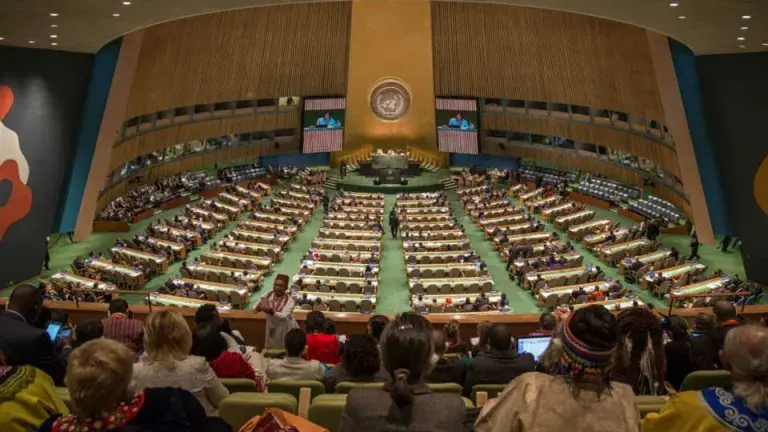
Helping Indian leaders initiate, win, and implement the United Nations Declaration on the Rights of Indigenous Peoples has been an important part of the Center’s work for more than 35 years.
The Declaration is a monumental statement of the rights of Indian and Alaska Native tribes and other indigenous peoples. The right of self-determination, the right to exist as tribes and distinct peoples, the right of tribes to own their land and resources, the right to the enforcement of and respect for treaties, and protection and access to sacred sites are all proclaimed in the Declaration.
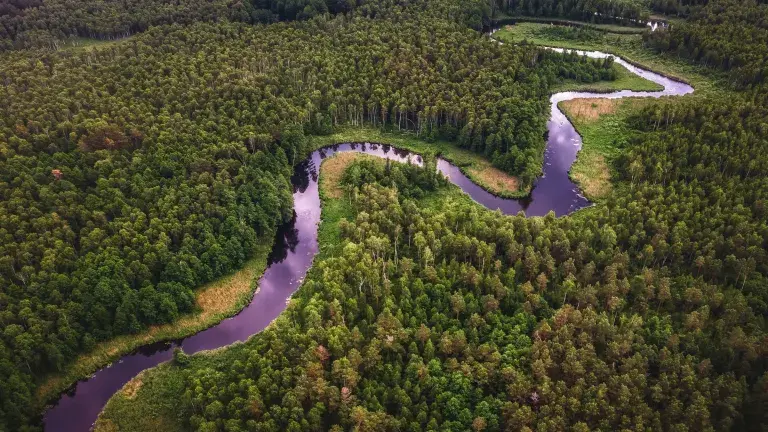
Securing Land Ownership Rights for Indigenous Communities in Mexico and Central and South America
Indian tribes in Mexico and in Central and South America are treated terribly almost everywhere. The most important thing we can do to help them is to help them protect and hold on to their lands – lands they need in order to have food and to survive. This is why we are working to assist Indian communities, especially in Mexico and Central and South America, to get strong legal rights to their lands.
Human Rights
Human Rights
Our work with Native and indigenous peoples has always drawn the connection between indigenous land rights, environmental protection and human rights. When indigenous peoples are deprived of their ties to the earth and their ways of life, they suffer. The effects of poverty, poor health, discrimination, and grave human rights abuses have many Native peoples and cultures at risk of disappearing completely.
Helping Indian leaders initiate, win, and implement the United Nations Declaration on the Rights of Indigenous Peoples has been an important part of the Center’s work for more than 35 years.
The Declaration is a monumental statement of the rights of Indian and Alaska Native tribes and other indigenous peoples. The right of self-determination, the right to exist as tribes and distinct peoples, the right of tribes to own their land and resources, the right to the enforcement of and respect for treaties, and protection and access to sacred sites are all proclaimed in the Declaration.
Securing Land Ownership Rights for Indigenous Communities in Mexico and Central and South America
Indian tribes in Mexico and in Central and South America are treated terribly almost everywhere. The most important thing we can do to help them is to help them protect and hold on to their lands – lands they need in order to have food and to survive. This is why we are working to assist Indian communities, especially in Mexico and Central and South America, to get strong legal rights to their lands.
Human Rights
Human Rights
Our work with Native and indigenous peoples has always drawn the connection between indigenous land rights, environmental protection and human rights. When indigenous peoples are deprived of their ties to the earth and their ways of life, they suffer. The effects of poverty, poor health, discrimination, and grave human rights abuses have many Native peoples and cultures at risk of disappearing completely.
Helping Indian leaders initiate, win, and implement the United Nations Declaration on the Rights of Indigenous Peoples has been an important part of the Center’s work for more than 35 years.
The Declaration is a monumental statement of the rights of Indian and Alaska Native tribes and other indigenous peoples. The right of self-determination, the right to exist as tribes and distinct peoples, the right of tribes to own their land and resources, the right to the enforcement of and respect for treaties, and protection and access to sacred sites are all proclaimed in the Declaration.
Securing Land Ownership Rights for Indigenous Communities in Mexico and Central and South America
Indian tribes in Mexico and in Central and South America are treated terribly almost everywhere. The most important thing we can do to help them is to help them protect and hold on to their lands – lands they need in order to have food and to survive. This is why we are working to assist Indian communities, especially in Mexico and Central and South America, to get strong legal rights to their lands.
Human Rights
Human Rights
Our work with Native and indigenous peoples has always drawn the connection between indigenous land rights, environmental protection and human rights. When indigenous peoples are deprived of their ties to the earth and their ways of life, they suffer. The effects of poverty, poor health, discrimination, and grave human rights abuses have many Native peoples and cultures at risk of disappearing completely.
Helping Indian leaders initiate, win, and implement the United Nations Declaration on the Rights of Indigenous Peoples has been an important part of the Center’s work for more than 35 years.
The Declaration is a monumental statement of the rights of Indian and Alaska Native tribes and other indigenous peoples. The right of self-determination, the right to exist as tribes and distinct peoples, the right of tribes to own their land and resources, the right to the enforcement of and respect for treaties, and protection and access to sacred sites are all proclaimed in the Declaration.
Securing Land Ownership Rights for Indigenous Communities in Mexico and Central and South America
Indian tribes in Mexico and in Central and South America are treated terribly almost everywhere. The most important thing we can do to help them is to help them protect and hold on to their lands – lands they need in order to have food and to survive. This is why we are working to assist Indian communities, especially in Mexico and Central and South America, to get strong legal rights to their lands.
Human Rights
Human Rights
Our work with Native and indigenous peoples has always drawn the connection between indigenous land rights, environmental protection and human rights. When indigenous peoples are deprived of their ties to the earth and their ways of life, they suffer. The effects of poverty, poor health, discrimination, and grave human rights abuses have many Native peoples and cultures at risk of disappearing completely.
Helping Indian leaders initiate, win, and implement the United Nations Declaration on the Rights of Indigenous Peoples has been an important part of the Center’s work for more than 35 years.
The Declaration is a monumental statement of the rights of Indian and Alaska Native tribes and other indigenous peoples. The right of self-determination, the right to exist as tribes and distinct peoples, the right of tribes to own their land and resources, the right to the enforcement of and respect for treaties, and protection and access to sacred sites are all proclaimed in the Declaration.
Securing Land Ownership Rights for Indigenous Communities in Mexico and Central and South America
Indian tribes in Mexico and in Central and South America are treated terribly almost everywhere. The most important thing we can do to help them is to help them protect and hold on to their lands – lands they need in order to have food and to survive. This is why we are working to assist Indian communities, especially in Mexico and Central and South America, to get strong legal rights to their lands.
Human Rights
Human Rights
Our work with Native and indigenous peoples has always drawn the connection between indigenous land rights, environmental protection and human rights. When indigenous peoples are deprived of their ties to the earth and their ways of life, they suffer. The effects of poverty, poor health, discrimination, and grave human rights abuses have many Native peoples and cultures at risk of disappearing completely.
Helping Indian leaders initiate, win, and implement the United Nations Declaration on the Rights of Indigenous Peoples has been an important part of the Center’s work for more than 35 years.
The Declaration is a monumental statement of the rights of Indian and Alaska Native tribes and other indigenous peoples. The right of self-determination, the right to exist as tribes and distinct peoples, the right of tribes to own their land and resources, the right to the enforcement of and respect for treaties, and protection and access to sacred sites are all proclaimed in the Declaration.
Securing Land Ownership Rights for Indigenous Communities in Mexico and Central and South America
Indian tribes in Mexico and in Central and South America are treated terribly almost everywhere. The most important thing we can do to help them is to help them protect and hold on to their lands – lands they need in order to have food and to survive. This is why we are working to assist Indian communities, especially in Mexico and Central and South America, to get strong legal rights to their lands.
Human Rights
Human Rights
Our work with Native and indigenous peoples has always drawn the connection between indigenous land rights, environmental protection and human rights. When indigenous peoples are deprived of their ties to the earth and their ways of life, they suffer. The effects of poverty, poor health, discrimination, and grave human rights abuses have many Native peoples and cultures at risk of disappearing completely.
Helping Indian leaders initiate, win, and implement the United Nations Declaration on the Rights of Indigenous Peoples has been an important part of the Center’s work for more than 35 years.
The Declaration is a monumental statement of the rights of Indian and Alaska Native tribes and other indigenous peoples. The right of self-determination, the right to exist as tribes and distinct peoples, the right of tribes to own their land and resources, the right to the enforcement of and respect for treaties, and protection and access to sacred sites are all proclaimed in the Declaration.
Securing Land Ownership Rights for Indigenous Communities in Mexico and Central and South America
Indian tribes in Mexico and in Central and South America are treated terribly almost everywhere. The most important thing we can do to help them is to help them protect and hold on to their lands – lands they need in order to have food and to survive. This is why we are working to assist Indian communities, especially in Mexico and Central and South America, to get strong legal rights to their lands.
Human Rights
Human Rights
Our work with Native and indigenous peoples has always drawn the connection between indigenous land rights, environmental protection and human rights. When indigenous peoples are deprived of their ties to the earth and their ways of life, they suffer. The effects of poverty, poor health, discrimination, and grave human rights abuses have many Native peoples and cultures at risk of disappearing completely.
Helping Indian leaders initiate, win, and implement the United Nations Declaration on the Rights of Indigenous Peoples has been an important part of the Center’s work for more than 35 years.
The Declaration is a monumental statement of the rights of Indian and Alaska Native tribes and other indigenous peoples. The right of self-determination, the right to exist as tribes and distinct peoples, the right of tribes to own their land and resources, the right to the enforcement of and respect for treaties, and protection and access to sacred sites are all proclaimed in the Declaration.
Securing Land Ownership Rights for Indigenous Communities in Mexico and Central and South America
Indian tribes in Mexico and in Central and South America are treated terribly almost everywhere. The most important thing we can do to help them is to help them protect and hold on to their lands – lands they need in order to have food and to survive. This is why we are working to assist Indian communities, especially in Mexico and Central and South America, to get strong legal rights to their lands.
Human Rights
Human Rights
Our work with Native and indigenous peoples has always drawn the connection between indigenous land rights, environmental protection and human rights. When indigenous peoples are deprived of their ties to the earth and their ways of life, they suffer. The effects of poverty, poor health, discrimination, and grave human rights abuses have many Native peoples and cultures at risk of disappearing completely.
Helping Indian leaders initiate, win, and implement the United Nations Declaration on the Rights of Indigenous Peoples has been an important part of the Center’s work for more than 35 years.
The Declaration is a monumental statement of the rights of Indian and Alaska Native tribes and other indigenous peoples. The right of self-determination, the right to exist as tribes and distinct peoples, the right of tribes to own their land and resources, the right to the enforcement of and respect for treaties, and protection and access to sacred sites are all proclaimed in the Declaration.
Securing Land Ownership Rights for Indigenous Communities in Mexico and Central and South America
Indian tribes in Mexico and in Central and South America are treated terribly almost everywhere. The most important thing we can do to help them is to help them protect and hold on to their lands – lands they need in order to have food and to survive. This is why we are working to assist Indian communities, especially in Mexico and Central and South America, to get strong legal rights to their lands.
Human Rights
Human Rights
Our work with Native and indigenous peoples has always drawn the connection between indigenous land rights, environmental protection and human rights. When indigenous peoples are deprived of their ties to the earth and their ways of life, they suffer. The effects of poverty, poor health, discrimination, and grave human rights abuses have many Native peoples and cultures at risk of disappearing completely.
Helping Indian leaders initiate, win, and implement the United Nations Declaration on the Rights of Indigenous Peoples has been an important part of the Center’s work for more than 35 years.
The Declaration is a monumental statement of the rights of Indian and Alaska Native tribes and other indigenous peoples. The right of self-determination, the right to exist as tribes and distinct peoples, the right of tribes to own their land and resources, the right to the enforcement of and respect for treaties, and protection and access to sacred sites are all proclaimed in the Declaration.
Securing Land Ownership Rights for Indigenous Communities in Mexico and Central and South America
Indian tribes in Mexico and in Central and South America are treated terribly almost everywhere. The most important thing we can do to help them is to help them protect and hold on to their lands – lands they need in order to have food and to survive. This is why we are working to assist Indian communities, especially in Mexico and Central and South America, to get strong legal rights to their lands.
Human Rights
Human Rights
Our work with Native and indigenous peoples has always drawn the connection between indigenous land rights, environmental protection and human rights. When indigenous peoples are deprived of their ties to the earth and their ways of life, they suffer. The effects of poverty, poor health, discrimination, and grave human rights abuses have many Native peoples and cultures at risk of disappearing completely.
Helping Indian leaders initiate, win, and implement the United Nations Declaration on the Rights of Indigenous Peoples has been an important part of the Center’s work for more than 35 years.
The Declaration is a monumental statement of the rights of Indian and Alaska Native tribes and other indigenous peoples. The right of self-determination, the right to exist as tribes and distinct peoples, the right of tribes to own their land and resources, the right to the enforcement of and respect for treaties, and protection and access to sacred sites are all proclaimed in the Declaration.
Securing Land Ownership Rights for Indigenous Communities in Mexico and Central and South America
Indian tribes in Mexico and in Central and South America are treated terribly almost everywhere. The most important thing we can do to help them is to help them protect and hold on to their lands – lands they need in order to have food and to survive. This is why we are working to assist Indian communities, especially in Mexico and Central and South America, to get strong legal rights to their lands.
Human Rights
Human Rights
Our work with Native and indigenous peoples has always drawn the connection between indigenous land rights, environmental protection and human rights. When indigenous peoples are deprived of their ties to the earth and their ways of life, they suffer. The effects of poverty, poor health, discrimination, and grave human rights abuses have many Native peoples and cultures at risk of disappearing completely.
Helping Indian leaders initiate, win, and implement the United Nations Declaration on the Rights of Indigenous Peoples has been an important part of the Center’s work for more than 35 years.
The Declaration is a monumental statement of the rights of Indian and Alaska Native tribes and other indigenous peoples. The right of self-determination, the right to exist as tribes and distinct peoples, the right of tribes to own their land and resources, the right to the enforcement of and respect for treaties, and protection and access to sacred sites are all proclaimed in the Declaration.
Securing Land Ownership Rights for Indigenous Communities in Mexico and Central and South America
Indian tribes in Mexico and in Central and South America are treated terribly almost everywhere. The most important thing we can do to help them is to help them protect and hold on to their lands – lands they need in order to have food and to survive. This is why we are working to assist Indian communities, especially in Mexico and Central and South America, to get strong legal rights to their lands.
Human Rights
Human Rights
Our work with Native and indigenous peoples has always drawn the connection between indigenous land rights, environmental protection and human rights. When indigenous peoples are deprived of their ties to the earth and their ways of life, they suffer. The effects of poverty, poor health, discrimination, and grave human rights abuses have many Native peoples and cultures at risk of disappearing completely.
Helping Indian leaders initiate, win, and implement the United Nations Declaration on the Rights of Indigenous Peoples has been an important part of the Center’s work for more than 35 years.
The Declaration is a monumental statement of the rights of Indian and Alaska Native tribes and other indigenous peoples. The right of self-determination, the right to exist as tribes and distinct peoples, the right of tribes to own their land and resources, the right to the enforcement of and respect for treaties, and protection and access to sacred sites are all proclaimed in the Declaration.
Securing Land Ownership Rights for Indigenous Communities in Mexico and Central and South America
Indian tribes in Mexico and in Central and South America are treated terribly almost everywhere. The most important thing we can do to help them is to help them protect and hold on to their lands – lands they need in order to have food and to survive. This is why we are working to assist Indian communities, especially in Mexico and Central and South America, to get strong legal rights to their lands.
Human Rights
Human Rights
Our work with Native and indigenous peoples has always drawn the connection between indigenous land rights, environmental protection and human rights. When indigenous peoples are deprived of their ties to the earth and their ways of life, they suffer. The effects of poverty, poor health, discrimination, and grave human rights abuses have many Native peoples and cultures at risk of disappearing completely.
Helping Indian leaders initiate, win, and implement the United Nations Declaration on the Rights of Indigenous Peoples has been an important part of the Center’s work for more than 35 years.
The Declaration is a monumental statement of the rights of Indian and Alaska Native tribes and other indigenous peoples. The right of self-determination, the right to exist as tribes and distinct peoples, the right of tribes to own their land and resources, the right to the enforcement of and respect for treaties, and protection and access to sacred sites are all proclaimed in the Declaration.
Securing Land Ownership Rights for Indigenous Communities in Mexico and Central and South America
Indian tribes in Mexico and in Central and South America are treated terribly almost everywhere. The most important thing we can do to help them is to help them protect and hold on to their lands – lands they need in order to have food and to survive. This is why we are working to assist Indian communities, especially in Mexico and Central and South America, to get strong legal rights to their lands.
Human Rights
Human Rights
Our work with Native and indigenous peoples has always drawn the connection between indigenous land rights, environmental protection and human rights. When indigenous peoples are deprived of their ties to the earth and their ways of life, they suffer. The effects of poverty, poor health, discrimination, and grave human rights abuses have many Native peoples and cultures at risk of disappearing completely.
Helping Indian leaders initiate, win, and implement the United Nations Declaration on the Rights of Indigenous Peoples has been an important part of the Center’s work for more than 35 years.
The Declaration is a monumental statement of the rights of Indian and Alaska Native tribes and other indigenous peoples. The right of self-determination, the right to exist as tribes and distinct peoples, the right of tribes to own their land and resources, the right to the enforcement of and respect for treaties, and protection and access to sacred sites are all proclaimed in the Declaration.
Securing Land Ownership Rights for Indigenous Communities in Mexico and Central and South America
Indian tribes in Mexico and in Central and South America are treated terribly almost everywhere. The most important thing we can do to help them is to help them protect and hold on to their lands – lands they need in order to have food and to survive. This is why we are working to assist Indian communities, especially in Mexico and Central and South America, to get strong legal rights to their lands.
Human Rights
Human Rights
Our work with Native and indigenous peoples has always drawn the connection between indigenous land rights, environmental protection and human rights. When indigenous peoples are deprived of their ties to the earth and their ways of life, they suffer. The effects of poverty, poor health, discrimination, and grave human rights abuses have many Native peoples and cultures at risk of disappearing completely.
Helping Indian leaders initiate, win, and implement the United Nations Declaration on the Rights of Indigenous Peoples has been an important part of the Center’s work for more than 35 years.
The Declaration is a monumental statement of the rights of Indian and Alaska Native tribes and other indigenous peoples. The right of self-determination, the right to exist as tribes and distinct peoples, the right of tribes to own their land and resources, the right to the enforcement of and respect for treaties, and protection and access to sacred sites are all proclaimed in the Declaration.
Securing Land Ownership Rights for Indigenous Communities in Mexico and Central and South America
Indian tribes in Mexico and in Central and South America are treated terribly almost everywhere. The most important thing we can do to help them is to help them protect and hold on to their lands – lands they need in order to have food and to survive. This is why we are working to assist Indian communities, especially in Mexico and Central and South America, to get strong legal rights to their lands.
Human Rights
Human Rights
Our work with Native and indigenous peoples has always drawn the connection between indigenous land rights, environmental protection and human rights. When indigenous peoples are deprived of their ties to the earth and their ways of life, they suffer. The effects of poverty, poor health, discrimination, and grave human rights abuses have many Native peoples and cultures at risk of disappearing completely.
Helping Indian leaders initiate, win, and implement the United Nations Declaration on the Rights of Indigenous Peoples has been an important part of the Center’s work for more than 35 years.
The Declaration is a monumental statement of the rights of Indian and Alaska Native tribes and other indigenous peoples. The right of self-determination, the right to exist as tribes and distinct peoples, the right of tribes to own their land and resources, the right to the enforcement of and respect for treaties, and protection and access to sacred sites are all proclaimed in the Declaration.
Securing Land Ownership Rights for Indigenous Communities in Mexico and Central and South America
Indian tribes in Mexico and in Central and South America are treated terribly almost everywhere. The most important thing we can do to help them is to help them protect and hold on to their lands – lands they need in order to have food and to survive. This is why we are working to assist Indian communities, especially in Mexico and Central and South America, to get strong legal rights to their lands.
Human Rights
Human Rights
Our work with Native and indigenous peoples has always drawn the connection between indigenous land rights, environmental protection and human rights. When indigenous peoples are deprived of their ties to the earth and their ways of life, they suffer. The effects of poverty, poor health, discrimination, and grave human rights abuses have many Native peoples and cultures at risk of disappearing completely.
Helping Indian leaders initiate, win, and implement the United Nations Declaration on the Rights of Indigenous Peoples has been an important part of the Center’s work for more than 35 years.
The Declaration is a monumental statement of the rights of Indian and Alaska Native tribes and other indigenous peoples. The right of self-determination, the right to exist as tribes and distinct peoples, the right of tribes to own their land and resources, the right to the enforcement of and respect for treaties, and protection and access to sacred sites are all proclaimed in the Declaration.
Securing Land Ownership Rights for Indigenous Communities in Mexico and Central and South America
Indian tribes in Mexico and in Central and South America are treated terribly almost everywhere. The most important thing we can do to help them is to help them protect and hold on to their lands – lands they need in order to have food and to survive. This is why we are working to assist Indian communities, especially in Mexico and Central and South America, to get strong legal rights to their lands.
Human Rights
Human Rights
Our work with Native and indigenous peoples has always drawn the connection between indigenous land rights, environmental protection and human rights. When indigenous peoples are deprived of their ties to the earth and their ways of life, they suffer. The effects of poverty, poor health, discrimination, and grave human rights abuses have many Native peoples and cultures at risk of disappearing completely.
Helping Indian leaders initiate, win, and implement the United Nations Declaration on the Rights of Indigenous Peoples has been an important part of the Center’s work for more than 35 years.
The Declaration is a monumental statement of the rights of Indian and Alaska Native tribes and other indigenous peoples. The right of self-determination, the right to exist as tribes and distinct peoples, the right of tribes to own their land and resources, the right to the enforcement of and respect for treaties, and protection and access to sacred sites are all proclaimed in the Declaration.
Securing Land Ownership Rights for Indigenous Communities in Mexico and Central and South America
Indian tribes in Mexico and in Central and South America are treated terribly almost everywhere. The most important thing we can do to help them is to help them protect and hold on to their lands – lands they need in order to have food and to survive. This is why we are working to assist Indian communities, especially in Mexico and Central and South America, to get strong legal rights to their lands.
Human Rights
Human Rights
Our work with Native and indigenous peoples has always drawn the connection between indigenous land rights, environmental protection and human rights. When indigenous peoples are deprived of their ties to the earth and their ways of life, they suffer. The effects of poverty, poor health, discrimination, and grave human rights abuses have many Native peoples and cultures at risk of disappearing completely.
Helping Indian leaders initiate, win, and implement the United Nations Declaration on the Rights of Indigenous Peoples has been an important part of the Center’s work for more than 35 years.
The Declaration is a monumental statement of the rights of Indian and Alaska Native tribes and other indigenous peoples. The right of self-determination, the right to exist as tribes and distinct peoples, the right of tribes to own their land and resources, the right to the enforcement of and respect for treaties, and protection and access to sacred sites are all proclaimed in the Declaration.
Securing Land Ownership Rights for Indigenous Communities in Mexico and Central and South America
Indian tribes in Mexico and in Central and South America are treated terribly almost everywhere. The most important thing we can do to help them is to help them protect and hold on to their lands – lands they need in order to have food and to survive. This is why we are working to assist Indian communities, especially in Mexico and Central and South America, to get strong legal rights to their lands.
Human Rights
Human Rights
Our work with Native and indigenous peoples has always drawn the connection between indigenous land rights, environmental protection and human rights. When indigenous peoples are deprived of their ties to the earth and their ways of life, they suffer. The effects of poverty, poor health, discrimination, and grave human rights abuses have many Native peoples and cultures at risk of disappearing completely.
Helping Indian leaders initiate, win, and implement the United Nations Declaration on the Rights of Indigenous Peoples has been an important part of the Center’s work for more than 35 years.
The Declaration is a monumental statement of the rights of Indian and Alaska Native tribes and other indigenous peoples. The right of self-determination, the right to exist as tribes and distinct peoples, the right of tribes to own their land and resources, the right to the enforcement of and respect for treaties, and protection and access to sacred sites are all proclaimed in the Declaration.
Securing Land Ownership Rights for Indigenous Communities in Mexico and Central and South America
Indian tribes in Mexico and in Central and South America are treated terribly almost everywhere. The most important thing we can do to help them is to help them protect and hold on to their lands – lands they need in order to have food and to survive. This is why we are working to assist Indian communities, especially in Mexico and Central and South America, to get strong legal rights to their lands.
Human Rights
Human Rights
Our work with Native and indigenous peoples has always drawn the connection between indigenous land rights, environmental protection and human rights. When indigenous peoples are deprived of their ties to the earth and their ways of life, they suffer. The effects of poverty, poor health, discrimination, and grave human rights abuses have many Native peoples and cultures at risk of disappearing completely.
Helping Indian leaders initiate, win, and implement the United Nations Declaration on the Rights of Indigenous Peoples has been an important part of the Center’s work for more than 35 years.
The Declaration is a monumental statement of the rights of Indian and Alaska Native tribes and other indigenous peoples. The right of self-determination, the right to exist as tribes and distinct peoples, the right of tribes to own their land and resources, the right to the enforcement of and respect for treaties, and protection and access to sacred sites are all proclaimed in the Declaration.
Securing Land Ownership Rights for Indigenous Communities in Mexico and Central and South America
Indian tribes in Mexico and in Central and South America are treated terribly almost everywhere. The most important thing we can do to help them is to help them protect and hold on to their lands – lands they need in order to have food and to survive. This is why we are working to assist Indian communities, especially in Mexico and Central and South America, to get strong legal rights to their lands.
Human Rights
Human Rights
Our work with Native and indigenous peoples has always drawn the connection between indigenous land rights, environmental protection and human rights. When indigenous peoples are deprived of their ties to the earth and their ways of life, they suffer. The effects of poverty, poor health, discrimination, and grave human rights abuses have many Native peoples and cultures at risk of disappearing completely.
Helping Indian leaders initiate, win, and implement the United Nations Declaration on the Rights of Indigenous Peoples has been an important part of the Center’s work for more than 35 years.
The Declaration is a monumental statement of the rights of Indian and Alaska Native tribes and other indigenous peoples. The right of self-determination, the right to exist as tribes and distinct peoples, the right of tribes to own their land and resources, the right to the enforcement of and respect for treaties, and protection and access to sacred sites are all proclaimed in the Declaration.
Securing Land Ownership Rights for Indigenous Communities in Mexico and Central and South America
Indian tribes in Mexico and in Central and South America are treated terribly almost everywhere. The most important thing we can do to help them is to help them protect and hold on to their lands – lands they need in order to have food and to survive. This is why we are working to assist Indian communities, especially in Mexico and Central and South America, to get strong legal rights to their lands.
Human Rights
Human Rights
Our work with Native and indigenous peoples has always drawn the connection between indigenous land rights, environmental protection and human rights. When indigenous peoples are deprived of their ties to the earth and their ways of life, they suffer. The effects of poverty, poor health, discrimination, and grave human rights abuses have many Native peoples and cultures at risk of disappearing completely.
Helping Indian leaders initiate, win, and implement the United Nations Declaration on the Rights of Indigenous Peoples has been an important part of the Center’s work for more than 35 years.
The Declaration is a monumental statement of the rights of Indian and Alaska Native tribes and other indigenous peoples. The right of self-determination, the right to exist as tribes and distinct peoples, the right of tribes to own their land and resources, the right to the enforcement of and respect for treaties, and protection and access to sacred sites are all proclaimed in the Declaration.
Securing Land Ownership Rights for Indigenous Communities in Mexico and Central and South America
Indian tribes in Mexico and in Central and South America are treated terribly almost everywhere. The most important thing we can do to help them is to help them protect and hold on to their lands – lands they need in order to have food and to survive. This is why we are working to assist Indian communities, especially in Mexico and Central and South America, to get strong legal rights to their lands.
Human Rights
Human Rights
Our work with Native and indigenous peoples has always drawn the connection between indigenous land rights, environmental protection and human rights. When indigenous peoples are deprived of their ties to the earth and their ways of life, they suffer. The effects of poverty, poor health, discrimination, and grave human rights abuses have many Native peoples and cultures at risk of disappearing completely.
Helping Indian leaders initiate, win, and implement the United Nations Declaration on the Rights of Indigenous Peoples has been an important part of the Center’s work for more than 35 years.
The Declaration is a monumental statement of the rights of Indian and Alaska Native tribes and other indigenous peoples. The right of self-determination, the right to exist as tribes and distinct peoples, the right of tribes to own their land and resources, the right to the enforcement of and respect for treaties, and protection and access to sacred sites are all proclaimed in the Declaration.
Securing Land Ownership Rights for Indigenous Communities in Mexico and Central and South America
Indian tribes in Mexico and in Central and South America are treated terribly almost everywhere. The most important thing we can do to help them is to help them protect and hold on to their lands – lands they need in order to have food and to survive. This is why we are working to assist Indian communities, especially in Mexico and Central and South America, to get strong legal rights to their lands.
Human Rights
Human Rights
Our work with Native and indigenous peoples has always drawn the connection between indigenous land rights, environmental protection and human rights. When indigenous peoples are deprived of their ties to the earth and their ways of life, they suffer. The effects of poverty, poor health, discrimination, and grave human rights abuses have many Native peoples and cultures at risk of disappearing completely.
Helping Indian leaders initiate, win, and implement the United Nations Declaration on the Rights of Indigenous Peoples has been an important part of the Center’s work for more than 35 years.
The Declaration is a monumental statement of the rights of Indian and Alaska Native tribes and other indigenous peoples. The right of self-determination, the right to exist as tribes and distinct peoples, the right of tribes to own their land and resources, the right to the enforcement of and respect for treaties, and protection and access to sacred sites are all proclaimed in the Declaration.
Securing Land Ownership Rights for Indigenous Communities in Mexico and Central and South America
Indian tribes in Mexico and in Central and South America are treated terribly almost everywhere. The most important thing we can do to help them is to help them protect and hold on to their lands – lands they need in order to have food and to survive. This is why we are working to assist Indian communities, especially in Mexico and Central and South America, to get strong legal rights to their lands.
Human Rights
Human Rights
Our work with Native and indigenous peoples has always drawn the connection between indigenous land rights, environmental protection and human rights. When indigenous peoples are deprived of their ties to the earth and their ways of life, they suffer. The effects of poverty, poor health, discrimination, and grave human rights abuses have many Native peoples and cultures at risk of disappearing completely.
Helping Indian leaders initiate, win, and implement the United Nations Declaration on the Rights of Indigenous Peoples has been an important part of the Center’s work for more than 35 years.
The Declaration is a monumental statement of the rights of Indian and Alaska Native tribes and other indigenous peoples. The right of self-determination, the right to exist as tribes and distinct peoples, the right of tribes to own their land and resources, the right to the enforcement of and respect for treaties, and protection and access to sacred sites are all proclaimed in the Declaration.
Securing Land Ownership Rights for Indigenous Communities in Mexico and Central and South America
Indian tribes in Mexico and in Central and South America are treated terribly almost everywhere. The most important thing we can do to help them is to help them protect and hold on to their lands – lands they need in order to have food and to survive. This is why we are working to assist Indian communities, especially in Mexico and Central and South America, to get strong legal rights to their lands.
Human Rights
Human Rights
Our work with Native and indigenous peoples has always drawn the connection between indigenous land rights, environmental protection and human rights. When indigenous peoples are deprived of their ties to the earth and their ways of life, they suffer. The effects of poverty, poor health, discrimination, and grave human rights abuses have many Native peoples and cultures at risk of disappearing completely.
Helping Indian leaders initiate, win, and implement the United Nations Declaration on the Rights of Indigenous Peoples has been an important part of the Center’s work for more than 35 years.
The Declaration is a monumental statement of the rights of Indian and Alaska Native tribes and other indigenous peoples. The right of self-determination, the right to exist as tribes and distinct peoples, the right of tribes to own their land and resources, the right to the enforcement of and respect for treaties, and protection and access to sacred sites are all proclaimed in the Declaration.
Securing Land Ownership Rights for Indigenous Communities in Mexico and Central and South America
Indian tribes in Mexico and in Central and South America are treated terribly almost everywhere. The most important thing we can do to help them is to help them protect and hold on to their lands – lands they need in order to have food and to survive. This is why we are working to assist Indian communities, especially in Mexico and Central and South America, to get strong legal rights to their lands.
Human Rights
Human Rights
Our work with Native and indigenous peoples has always drawn the connection between indigenous land rights, environmental protection and human rights. When indigenous peoples are deprived of their ties to the earth and their ways of life, they suffer. The effects of poverty, poor health, discrimination, and grave human rights abuses have many Native peoples and cultures at risk of disappearing completely.
Helping Indian leaders initiate, win, and implement the United Nations Declaration on the Rights of Indigenous Peoples has been an important part of the Center’s work for more than 35 years.
The Declaration is a monumental statement of the rights of Indian and Alaska Native tribes and other indigenous peoples. The right of self-determination, the right to exist as tribes and distinct peoples, the right of tribes to own their land and resources, the right to the enforcement of and respect for treaties, and protection and access to sacred sites are all proclaimed in the Declaration.
Securing Land Ownership Rights for Indigenous Communities in Mexico and Central and South America
Indian tribes in Mexico and in Central and South America are treated terribly almost everywhere. The most important thing we can do to help them is to help them protect and hold on to their lands – lands they need in order to have food and to survive. This is why we are working to assist Indian communities, especially in Mexico and Central and South America, to get strong legal rights to their lands.
Human Rights
Human Rights
Our work with Native and indigenous peoples has always drawn the connection between indigenous land rights, environmental protection and human rights. When indigenous peoples are deprived of their ties to the earth and their ways of life, they suffer. The effects of poverty, poor health, discrimination, and grave human rights abuses have many Native peoples and cultures at risk of disappearing completely.
Helping Indian leaders initiate, win, and implement the United Nations Declaration on the Rights of Indigenous Peoples has been an important part of the Center’s work for more than 35 years.
The Declaration is a monumental statement of the rights of Indian and Alaska Native tribes and other indigenous peoples. The right of self-determination, the right to exist as tribes and distinct peoples, the right of tribes to own their land and resources, the right to the enforcement of and respect for treaties, and protection and access to sacred sites are all proclaimed in the Declaration.
Securing Land Ownership Rights for Indigenous Communities in Mexico and Central and South America
Indian tribes in Mexico and in Central and South America are treated terribly almost everywhere. The most important thing we can do to help them is to help them protect and hold on to their lands – lands they need in order to have food and to survive. This is why we are working to assist Indian communities, especially in Mexico and Central and South America, to get strong legal rights to their lands.
Human Rights
Human Rights
Our work with Native and indigenous peoples has always drawn the connection between indigenous land rights, environmental protection and human rights. When indigenous peoples are deprived of their ties to the earth and their ways of life, they suffer. The effects of poverty, poor health, discrimination, and grave human rights abuses have many Native peoples and cultures at risk of disappearing completely.
Helping Indian leaders initiate, win, and implement the United Nations Declaration on the Rights of Indigenous Peoples has been an important part of the Center’s work for more than 35 years.
The Declaration is a monumental statement of the rights of Indian and Alaska Native tribes and other indigenous peoples. The right of self-determination, the right to exist as tribes and distinct peoples, the right of tribes to own their land and resources, the right to the enforcement of and respect for treaties, and protection and access to sacred sites are all proclaimed in the Declaration.
Securing Land Ownership Rights for Indigenous Communities in Mexico and Central and South America
Indian tribes in Mexico and in Central and South America are treated terribly almost everywhere. The most important thing we can do to help them is to help them protect and hold on to their lands – lands they need in order to have food and to survive. This is why we are working to assist Indian communities, especially in Mexico and Central and South America, to get strong legal rights to their lands.
Human Rights
Human Rights
Our work with Native and indigenous peoples has always drawn the connection between indigenous land rights, environmental protection and human rights. When indigenous peoples are deprived of their ties to the earth and their ways of life, they suffer. The effects of poverty, poor health, discrimination, and grave human rights abuses have many Native peoples and cultures at risk of disappearing completely.
Helping Indian leaders initiate, win, and implement the United Nations Declaration on the Rights of Indigenous Peoples has been an important part of the Center’s work for more than 35 years.
The Declaration is a monumental statement of the rights of Indian and Alaska Native tribes and other indigenous peoples. The right of self-determination, the right to exist as tribes and distinct peoples, the right of tribes to own their land and resources, the right to the enforcement of and respect for treaties, and protection and access to sacred sites are all proclaimed in the Declaration.
Securing Land Ownership Rights for Indigenous Communities in Mexico and Central and South America
Indian tribes in Mexico and in Central and South America are treated terribly almost everywhere. The most important thing we can do to help them is to help them protect and hold on to their lands – lands they need in order to have food and to survive. This is why we are working to assist Indian communities, especially in Mexico and Central and South America, to get strong legal rights to their lands.
Human Rights
Human Rights
Our work with Native and indigenous peoples has always drawn the connection between indigenous land rights, environmental protection and human rights. When indigenous peoples are deprived of their ties to the earth and their ways of life, they suffer. The effects of poverty, poor health, discrimination, and grave human rights abuses have many Native peoples and cultures at risk of disappearing completely.
Helping Indian leaders initiate, win, and implement the United Nations Declaration on the Rights of Indigenous Peoples has been an important part of the Center’s work for more than 35 years.
The Declaration is a monumental statement of the rights of Indian and Alaska Native tribes and other indigenous peoples. The right of self-determination, the right to exist as tribes and distinct peoples, the right of tribes to own their land and resources, the right to the enforcement of and respect for treaties, and protection and access to sacred sites are all proclaimed in the Declaration.
Securing Land Ownership Rights for Indigenous Communities in Mexico and Central and South America
Indian tribes in Mexico and in Central and South America are treated terribly almost everywhere. The most important thing we can do to help them is to help them protect and hold on to their lands – lands they need in order to have food and to survive. This is why we are working to assist Indian communities, especially in Mexico and Central and South America, to get strong legal rights to their lands.
Human Rights
Human Rights
Our work with Native and indigenous peoples has always drawn the connection between indigenous land rights, environmental protection and human rights. When indigenous peoples are deprived of their ties to the earth and their ways of life, they suffer. The effects of poverty, poor health, discrimination, and grave human rights abuses have many Native peoples and cultures at risk of disappearing completely.
Helping Indian leaders initiate, win, and implement the United Nations Declaration on the Rights of Indigenous Peoples has been an important part of the Center’s work for more than 35 years.
The Declaration is a monumental statement of the rights of Indian and Alaska Native tribes and other indigenous peoples. The right of self-determination, the right to exist as tribes and distinct peoples, the right of tribes to own their land and resources, the right to the enforcement of and respect for treaties, and protection and access to sacred sites are all proclaimed in the Declaration.
Securing Land Ownership Rights for Indigenous Communities in Mexico and Central and South America
Indian tribes in Mexico and in Central and South America are treated terribly almost everywhere. The most important thing we can do to help them is to help them protect and hold on to their lands – lands they need in order to have food and to survive. This is why we are working to assist Indian communities, especially in Mexico and Central and South America, to get strong legal rights to their lands.
Human Rights
Human Rights
Our work with Native and indigenous peoples has always drawn the connection between indigenous land rights, environmental protection and human rights. When indigenous peoples are deprived of their ties to the earth and their ways of life, they suffer. The effects of poverty, poor health, discrimination, and grave human rights abuses have many Native peoples and cultures at risk of disappearing completely.
Helping Indian leaders initiate, win, and implement the United Nations Declaration on the Rights of Indigenous Peoples has been an important part of the Center’s work for more than 35 years.
The Declaration is a monumental statement of the rights of Indian and Alaska Native tribes and other indigenous peoples. The right of self-determination, the right to exist as tribes and distinct peoples, the right of tribes to own their land and resources, the right to the enforcement of and respect for treaties, and protection and access to sacred sites are all proclaimed in the Declaration.
Securing Land Ownership Rights for Indigenous Communities in Mexico and Central and South America
Indian tribes in Mexico and in Central and South America are treated terribly almost everywhere. The most important thing we can do to help them is to help them protect and hold on to their lands – lands they need in order to have food and to survive. This is why we are working to assist Indian communities, especially in Mexico and Central and South America, to get strong legal rights to their lands.
Human Rights
Human Rights
Our work with Native and indigenous peoples has always drawn the connection between indigenous land rights, environmental protection and human rights. When indigenous peoples are deprived of their ties to the earth and their ways of life, they suffer. The effects of poverty, poor health, discrimination, and grave human rights abuses have many Native peoples and cultures at risk of disappearing completely.
Helping Indian leaders initiate, win, and implement the United Nations Declaration on the Rights of Indigenous Peoples has been an important part of the Center’s work for more than 35 years.
The Declaration is a monumental statement of the rights of Indian and Alaska Native tribes and other indigenous peoples. The right of self-determination, the right to exist as tribes and distinct peoples, the right of tribes to own their land and resources, the right to the enforcement of and respect for treaties, and protection and access to sacred sites are all proclaimed in the Declaration.
Securing Land Ownership Rights for Indigenous Communities in Mexico and Central and South America
Indian tribes in Mexico and in Central and South America are treated terribly almost everywhere. The most important thing we can do to help them is to help them protect and hold on to their lands – lands they need in order to have food and to survive. This is why we are working to assist Indian communities, especially in Mexico and Central and South America, to get strong legal rights to their lands.
Human Rights
Human Rights
Our work with Native and indigenous peoples has always drawn the connection between indigenous land rights, environmental protection and human rights. When indigenous peoples are deprived of their ties to the earth and their ways of life, they suffer. The effects of poverty, poor health, discrimination, and grave human rights abuses have many Native peoples and cultures at risk of disappearing completely.
Helping Indian leaders initiate, win, and implement the United Nations Declaration on the Rights of Indigenous Peoples has been an important part of the Center’s work for more than 35 years.
The Declaration is a monumental statement of the rights of Indian and Alaska Native tribes and other indigenous peoples. The right of self-determination, the right to exist as tribes and distinct peoples, the right of tribes to own their land and resources, the right to the enforcement of and respect for treaties, and protection and access to sacred sites are all proclaimed in the Declaration.
Securing Land Ownership Rights for Indigenous Communities in Mexico and Central and South America
Indian tribes in Mexico and in Central and South America are treated terribly almost everywhere. The most important thing we can do to help them is to help them protect and hold on to their lands – lands they need in order to have food and to survive. This is why we are working to assist Indian communities, especially in Mexico and Central and South America, to get strong legal rights to their lands.
Human Rights
Human Rights
Our work with Native and indigenous peoples has always drawn the connection between indigenous land rights, environmental protection and human rights. When indigenous peoples are deprived of their ties to the earth and their ways of life, they suffer. The effects of poverty, poor health, discrimination, and grave human rights abuses have many Native peoples and cultures at risk of disappearing completely.
Helping Indian leaders initiate, win, and implement the United Nations Declaration on the Rights of Indigenous Peoples has been an important part of the Center’s work for more than 35 years.
The Declaration is a monumental statement of the rights of Indian and Alaska Native tribes and other indigenous peoples. The right of self-determination, the right to exist as tribes and distinct peoples, the right of tribes to own their land and resources, the right to the enforcement of and respect for treaties, and protection and access to sacred sites are all proclaimed in the Declaration.
Securing Land Ownership Rights for Indigenous Communities in Mexico and Central and South America
Indian tribes in Mexico and in Central and South America are treated terribly almost everywhere. The most important thing we can do to help them is to help them protect and hold on to their lands – lands they need in order to have food and to survive. This is why we are working to assist Indian communities, especially in Mexico and Central and South America, to get strong legal rights to their lands.
Human Rights
Human Rights
Our work with Native and indigenous peoples has always drawn the connection between indigenous land rights, environmental protection and human rights. When indigenous peoples are deprived of their ties to the earth and their ways of life, they suffer. The effects of poverty, poor health, discrimination, and grave human rights abuses have many Native peoples and cultures at risk of disappearing completely.
Helping Indian leaders initiate, win, and implement the United Nations Declaration on the Rights of Indigenous Peoples has been an important part of the Center’s work for more than 35 years.
The Declaration is a monumental statement of the rights of Indian and Alaska Native tribes and other indigenous peoples. The right of self-determination, the right to exist as tribes and distinct peoples, the right of tribes to own their land and resources, the right to the enforcement of and respect for treaties, and protection and access to sacred sites are all proclaimed in the Declaration.
Securing Land Ownership Rights for Indigenous Communities in Mexico and Central and South America
Indian tribes in Mexico and in Central and South America are treated terribly almost everywhere. The most important thing we can do to help them is to help them protect and hold on to their lands – lands they need in order to have food and to survive. This is why we are working to assist Indian communities, especially in Mexico and Central and South America, to get strong legal rights to their lands.
Human Rights
Human Rights
Our work with Native and indigenous peoples has always drawn the connection between indigenous land rights, environmental protection and human rights. When indigenous peoples are deprived of their ties to the earth and their ways of life, they suffer. The effects of poverty, poor health, discrimination, and grave human rights abuses have many Native peoples and cultures at risk of disappearing completely.
Helping Indian leaders initiate, win, and implement the United Nations Declaration on the Rights of Indigenous Peoples has been an important part of the Center’s work for more than 35 years.
The Declaration is a monumental statement of the rights of Indian and Alaska Native tribes and other indigenous peoples. The right of self-determination, the right to exist as tribes and distinct peoples, the right of tribes to own their land and resources, the right to the enforcement of and respect for treaties, and protection and access to sacred sites are all proclaimed in the Declaration.
Securing Land Ownership Rights for Indigenous Communities in Mexico and Central and South America
Indian tribes in Mexico and in Central and South America are treated terribly almost everywhere. The most important thing we can do to help them is to help them protect and hold on to their lands – lands they need in order to have food and to survive. This is why we are working to assist Indian communities, especially in Mexico and Central and South America, to get strong legal rights to their lands.
Human Rights
Human Rights
Our work with Native and indigenous peoples has always drawn the connection between indigenous land rights, environmental protection and human rights. When indigenous peoples are deprived of their ties to the earth and their ways of life, they suffer. The effects of poverty, poor health, discrimination, and grave human rights abuses have many Native peoples and cultures at risk of disappearing completely.
Helping Indian leaders initiate, win, and implement the United Nations Declaration on the Rights of Indigenous Peoples has been an important part of the Center’s work for more than 35 years.
The Declaration is a monumental statement of the rights of Indian and Alaska Native tribes and other indigenous peoples. The right of self-determination, the right to exist as tribes and distinct peoples, the right of tribes to own their land and resources, the right to the enforcement of and respect for treaties, and protection and access to sacred sites are all proclaimed in the Declaration.
Securing Land Ownership Rights for Indigenous Communities in Mexico and Central and South America
Indian tribes in Mexico and in Central and South America are treated terribly almost everywhere. The most important thing we can do to help them is to help them protect and hold on to their lands – lands they need in order to have food and to survive. This is why we are working to assist Indian communities, especially in Mexico and Central and South America, to get strong legal rights to their lands.
Human Rights
Human Rights
Our work with Native and indigenous peoples has always drawn the connection between indigenous land rights, environmental protection and human rights. When indigenous peoples are deprived of their ties to the earth and their ways of life, they suffer. The effects of poverty, poor health, discrimination, and grave human rights abuses have many Native peoples and cultures at risk of disappearing completely.
Helping Indian leaders initiate, win, and implement the United Nations Declaration on the Rights of Indigenous Peoples has been an important part of the Center’s work for more than 35 years.
The Declaration is a monumental statement of the rights of Indian and Alaska Native tribes and other indigenous peoples. The right of self-determination, the right to exist as tribes and distinct peoples, the right of tribes to own their land and resources, the right to the enforcement of and respect for treaties, and protection and access to sacred sites are all proclaimed in the Declaration.
Securing Land Ownership Rights for Indigenous Communities in Mexico and Central and South America
Indian tribes in Mexico and in Central and South America are treated terribly almost everywhere. The most important thing we can do to help them is to help them protect and hold on to their lands – lands they need in order to have food and to survive. This is why we are working to assist Indian communities, especially in Mexico and Central and South America, to get strong legal rights to their lands.
Human Rights
Human Rights
Our work with Native and indigenous peoples has always drawn the connection between indigenous land rights, environmental protection and human rights. When indigenous peoples are deprived of their ties to the earth and their ways of life, they suffer. The effects of poverty, poor health, discrimination, and grave human rights abuses have many Native peoples and cultures at risk of disappearing completely.
Helping Indian leaders initiate, win, and implement the United Nations Declaration on the Rights of Indigenous Peoples has been an important part of the Center’s work for more than 35 years.
The Declaration is a monumental statement of the rights of Indian and Alaska Native tribes and other indigenous peoples. The right of self-determination, the right to exist as tribes and distinct peoples, the right of tribes to own their land and resources, the right to the enforcement of and respect for treaties, and protection and access to sacred sites are all proclaimed in the Declaration.
Securing Land Ownership Rights for Indigenous Communities in Mexico and Central and South America
Indian tribes in Mexico and in Central and South America are treated terribly almost everywhere. The most important thing we can do to help them is to help them protect and hold on to their lands – lands they need in order to have food and to survive. This is why we are working to assist Indian communities, especially in Mexico and Central and South America, to get strong legal rights to their lands.
Human Rights
Human Rights
Our work with Native and indigenous peoples has always drawn the connection between indigenous land rights, environmental protection and human rights. When indigenous peoples are deprived of their ties to the earth and their ways of life, they suffer. The effects of poverty, poor health, discrimination, and grave human rights abuses have many Native peoples and cultures at risk of disappearing completely.
Helping Indian leaders initiate, win, and implement the United Nations Declaration on the Rights of Indigenous Peoples has been an important part of the Center’s work for more than 35 years.
The Declaration is a monumental statement of the rights of Indian and Alaska Native tribes and other indigenous peoples. The right of self-determination, the right to exist as tribes and distinct peoples, the right of tribes to own their land and resources, the right to the enforcement of and respect for treaties, and protection and access to sacred sites are all proclaimed in the Declaration.
Securing Land Ownership Rights for Indigenous Communities in Mexico and Central and South America
Indian tribes in Mexico and in Central and South America are treated terribly almost everywhere. The most important thing we can do to help them is to help them protect and hold on to their lands – lands they need in order to have food and to survive. This is why we are working to assist Indian communities, especially in Mexico and Central and South America, to get strong legal rights to their lands.
Human Rights
Human Rights
Our work with Native and indigenous peoples has always drawn the connection between indigenous land rights, environmental protection and human rights. When indigenous peoples are deprived of their ties to the earth and their ways of life, they suffer. The effects of poverty, poor health, discrimination, and grave human rights abuses have many Native peoples and cultures at risk of disappearing completely.
Helping Indian leaders initiate, win, and implement the United Nations Declaration on the Rights of Indigenous Peoples has been an important part of the Center’s work for more than 35 years.
The Declaration is a monumental statement of the rights of Indian and Alaska Native tribes and other indigenous peoples. The right of self-determination, the right to exist as tribes and distinct peoples, the right of tribes to own their land and resources, the right to the enforcement of and respect for treaties, and protection and access to sacred sites are all proclaimed in the Declaration.
Securing Land Ownership Rights for Indigenous Communities in Mexico and Central and South America
Indian tribes in Mexico and in Central and South America are treated terribly almost everywhere. The most important thing we can do to help them is to help them protect and hold on to their lands – lands they need in order to have food and to survive. This is why we are working to assist Indian communities, especially in Mexico and Central and South America, to get strong legal rights to their lands.
Human Rights
Human Rights
Our work with Native and indigenous peoples has always drawn the connection between indigenous land rights, environmental protection and human rights. When indigenous peoples are deprived of their ties to the earth and their ways of life, they suffer. The effects of poverty, poor health, discrimination, and grave human rights abuses have many Native peoples and cultures at risk of disappearing completely.
Helping Indian leaders initiate, win, and implement the United Nations Declaration on the Rights of Indigenous Peoples has been an important part of the Center’s work for more than 35 years.
The Declaration is a monumental statement of the rights of Indian and Alaska Native tribes and other indigenous peoples. The right of self-determination, the right to exist as tribes and distinct peoples, the right of tribes to own their land and resources, the right to the enforcement of and respect for treaties, and protection and access to sacred sites are all proclaimed in the Declaration.
Securing Land Ownership Rights for Indigenous Communities in Mexico and Central and South America
Indian tribes in Mexico and in Central and South America are treated terribly almost everywhere. The most important thing we can do to help them is to help them protect and hold on to their lands – lands they need in order to have food and to survive. This is why we are working to assist Indian communities, especially in Mexico and Central and South America, to get strong legal rights to their lands.
Human Rights
Human Rights
Our work with Native and indigenous peoples has always drawn the connection between indigenous land rights, environmental protection and human rights. When indigenous peoples are deprived of their ties to the earth and their ways of life, they suffer. The effects of poverty, poor health, discrimination, and grave human rights abuses have many Native peoples and cultures at risk of disappearing completely.
Helping Indian leaders initiate, win, and implement the United Nations Declaration on the Rights of Indigenous Peoples has been an important part of the Center’s work for more than 35 years.
The Declaration is a monumental statement of the rights of Indian and Alaska Native tribes and other indigenous peoples. The right of self-determination, the right to exist as tribes and distinct peoples, the right of tribes to own their land and resources, the right to the enforcement of and respect for treaties, and protection and access to sacred sites are all proclaimed in the Declaration.
Securing Land Ownership Rights for Indigenous Communities in Mexico and Central and South America
Indian tribes in Mexico and in Central and South America are treated terribly almost everywhere. The most important thing we can do to help them is to help them protect and hold on to their lands – lands they need in order to have food and to survive. This is why we are working to assist Indian communities, especially in Mexico and Central and South America, to get strong legal rights to their lands.
Human Rights
Human Rights
Our work with Native and indigenous peoples has always drawn the connection between indigenous land rights, environmental protection and human rights. When indigenous peoples are deprived of their ties to the earth and their ways of life, they suffer. The effects of poverty, poor health, discrimination, and grave human rights abuses have many Native peoples and cultures at risk of disappearing completely.
Helping Indian leaders initiate, win, and implement the United Nations Declaration on the Rights of Indigenous Peoples has been an important part of the Center’s work for more than 35 years.
The Declaration is a monumental statement of the rights of Indian and Alaska Native tribes and other indigenous peoples. The right of self-determination, the right to exist as tribes and distinct peoples, the right of tribes to own their land and resources, the right to the enforcement of and respect for treaties, and protection and access to sacred sites are all proclaimed in the Declaration.
Securing Land Ownership Rights for Indigenous Communities in Mexico and Central and South America
Indian tribes in Mexico and in Central and South America are treated terribly almost everywhere. The most important thing we can do to help them is to help them protect and hold on to their lands – lands they need in order to have food and to survive. This is why we are working to assist Indian communities, especially in Mexico and Central and South America, to get strong legal rights to their lands.
Human Rights
Human Rights
Our work with Native and indigenous peoples has always drawn the connection between indigenous land rights, environmental protection and human rights. When indigenous peoples are deprived of their ties to the earth and their ways of life, they suffer. The effects of poverty, poor health, discrimination, and grave human rights abuses have many Native peoples and cultures at risk of disappearing completely.
Helping Indian leaders initiate, win, and implement the United Nations Declaration on the Rights of Indigenous Peoples has been an important part of the Center’s work for more than 35 years.
The Declaration is a monumental statement of the rights of Indian and Alaska Native tribes and other indigenous peoples. The right of self-determination, the right to exist as tribes and distinct peoples, the right of tribes to own their land and resources, the right to the enforcement of and respect for treaties, and protection and access to sacred sites are all proclaimed in the Declaration.
Securing Land Ownership Rights for Indigenous Communities in Mexico and Central and South America
Indian tribes in Mexico and in Central and South America are treated terribly almost everywhere. The most important thing we can do to help them is to help them protect and hold on to their lands – lands they need in order to have food and to survive. This is why we are working to assist Indian communities, especially in Mexico and Central and South America, to get strong legal rights to their lands.
Human Rights
Human Rights
Our work with Native and indigenous peoples has always drawn the connection between indigenous land rights, environmental protection and human rights. When indigenous peoples are deprived of their ties to the earth and their ways of life, they suffer. The effects of poverty, poor health, discrimination, and grave human rights abuses have many Native peoples and cultures at risk of disappearing completely.
Helping Indian leaders initiate, win, and implement the United Nations Declaration on the Rights of Indigenous Peoples has been an important part of the Center’s work for more than 35 years.
The Declaration is a monumental statement of the rights of Indian and Alaska Native tribes and other indigenous peoples. The right of self-determination, the right to exist as tribes and distinct peoples, the right of tribes to own their land and resources, the right to the enforcement of and respect for treaties, and protection and access to sacred sites are all proclaimed in the Declaration.
Securing Land Ownership Rights for Indigenous Communities in Mexico and Central and South America
Indian tribes in Mexico and in Central and South America are treated terribly almost everywhere. The most important thing we can do to help them is to help them protect and hold on to their lands – lands they need in order to have food and to survive. This is why we are working to assist Indian communities, especially in Mexico and Central and South America, to get strong legal rights to their lands.
Human Rights
Human Rights
Our work with Native and indigenous peoples has always drawn the connection between indigenous land rights, environmental protection and human rights. When indigenous peoples are deprived of their ties to the earth and their ways of life, they suffer. The effects of poverty, poor health, discrimination, and grave human rights abuses have many Native peoples and cultures at risk of disappearing completely.
Helping Indian leaders initiate, win, and implement the United Nations Declaration on the Rights of Indigenous Peoples has been an important part of the Center’s work for more than 35 years.
The Declaration is a monumental statement of the rights of Indian and Alaska Native tribes and other indigenous peoples. The right of self-determination, the right to exist as tribes and distinct peoples, the right of tribes to own their land and resources, the right to the enforcement of and respect for treaties, and protection and access to sacred sites are all proclaimed in the Declaration.
Securing Land Ownership Rights for Indigenous Communities in Mexico and Central and South America
Indian tribes in Mexico and in Central and South America are treated terribly almost everywhere. The most important thing we can do to help them is to help them protect and hold on to their lands – lands they need in order to have food and to survive. This is why we are working to assist Indian communities, especially in Mexico and Central and South America, to get strong legal rights to their lands.
Human Rights
Human Rights
Our work with Native and indigenous peoples has always drawn the connection between indigenous land rights, environmental protection and human rights. When indigenous peoples are deprived of their ties to the earth and their ways of life, they suffer. The effects of poverty, poor health, discrimination, and grave human rights abuses have many Native peoples and cultures at risk of disappearing completely.
Helping Indian leaders initiate, win, and implement the United Nations Declaration on the Rights of Indigenous Peoples has been an important part of the Center’s work for more than 35 years.
The Declaration is a monumental statement of the rights of Indian and Alaska Native tribes and other indigenous peoples. The right of self-determination, the right to exist as tribes and distinct peoples, the right of tribes to own their land and resources, the right to the enforcement of and respect for treaties, and protection and access to sacred sites are all proclaimed in the Declaration.
Securing Land Ownership Rights for Indigenous Communities in Mexico and Central and South America
Indian tribes in Mexico and in Central and South America are treated terribly almost everywhere. The most important thing we can do to help them is to help them protect and hold on to their lands – lands they need in order to have food and to survive. This is why we are working to assist Indian communities, especially in Mexico and Central and South America, to get strong legal rights to their lands.
Human Rights
Human Rights
Our work with Native and indigenous peoples has always drawn the connection between indigenous land rights, environmental protection and human rights. When indigenous peoples are deprived of their ties to the earth and their ways of life, they suffer. The effects of poverty, poor health, discrimination, and grave human rights abuses have many Native peoples and cultures at risk of disappearing completely.
Helping Indian leaders initiate, win, and implement the United Nations Declaration on the Rights of Indigenous Peoples has been an important part of the Center’s work for more than 35 years.
The Declaration is a monumental statement of the rights of Indian and Alaska Native tribes and other indigenous peoples. The right of self-determination, the right to exist as tribes and distinct peoples, the right of tribes to own their land and resources, the right to the enforcement of and respect for treaties, and protection and access to sacred sites are all proclaimed in the Declaration.
Securing Land Ownership Rights for Indigenous Communities in Mexico and Central and South America
Indian tribes in Mexico and in Central and South America are treated terribly almost everywhere. The most important thing we can do to help them is to help them protect and hold on to their lands – lands they need in order to have food and to survive. This is why we are working to assist Indian communities, especially in Mexico and Central and South America, to get strong legal rights to their lands.
Human Rights
Human Rights
Our work with Native and indigenous peoples has always drawn the connection between indigenous land rights, environmental protection and human rights. When indigenous peoples are deprived of their ties to the earth and their ways of life, they suffer. The effects of poverty, poor health, discrimination, and grave human rights abuses have many Native peoples and cultures at risk of disappearing completely.
Helping Indian leaders initiate, win, and implement the United Nations Declaration on the Rights of Indigenous Peoples has been an important part of the Center’s work for more than 35 years.
The Declaration is a monumental statement of the rights of Indian and Alaska Native tribes and other indigenous peoples. The right of self-determination, the right to exist as tribes and distinct peoples, the right of tribes to own their land and resources, the right to the enforcement of and respect for treaties, and protection and access to sacred sites are all proclaimed in the Declaration.
Securing Land Ownership Rights for Indigenous Communities in Mexico and Central and South America
Indian tribes in Mexico and in Central and South America are treated terribly almost everywhere. The most important thing we can do to help them is to help them protect and hold on to their lands – lands they need in order to have food and to survive. This is why we are working to assist Indian communities, especially in Mexico and Central and South America, to get strong legal rights to their lands.
Human Rights
Human Rights
Our work with Native and indigenous peoples has always drawn the connection between indigenous land rights, environmental protection and human rights. When indigenous peoples are deprived of their ties to the earth and their ways of life, they suffer. The effects of poverty, poor health, discrimination, and grave human rights abuses have many Native peoples and cultures at risk of disappearing completely.
Helping Indian leaders initiate, win, and implement the United Nations Declaration on the Rights of Indigenous Peoples has been an important part of the Center’s work for more than 35 years.
The Declaration is a monumental statement of the rights of Indian and Alaska Native tribes and other indigenous peoples. The right of self-determination, the right to exist as tribes and distinct peoples, the right of tribes to own their land and resources, the right to the enforcement of and respect for treaties, and protection and access to sacred sites are all proclaimed in the Declaration.
Securing Land Ownership Rights for Indigenous Communities in Mexico and Central and South America
Indian tribes in Mexico and in Central and South America are treated terribly almost everywhere. The most important thing we can do to help them is to help them protect and hold on to their lands – lands they need in order to have food and to survive. This is why we are working to assist Indian communities, especially in Mexico and Central and South America, to get strong legal rights to their lands.
Human Rights
Human Rights
Our work with Native and indigenous peoples has always drawn the connection between indigenous land rights, environmental protection and human rights. When indigenous peoples are deprived of their ties to the earth and their ways of life, they suffer. The effects of poverty, poor health, discrimination, and grave human rights abuses have many Native peoples and cultures at risk of disappearing completely.
Helping Indian leaders initiate, win, and implement the United Nations Declaration on the Rights of Indigenous Peoples has been an important part of the Center’s work for more than 35 years.
The Declaration is a monumental statement of the rights of Indian and Alaska Native tribes and other indigenous peoples. The right of self-determination, the right to exist as tribes and distinct peoples, the right of tribes to own their land and resources, the right to the enforcement of and respect for treaties, and protection and access to sacred sites are all proclaimed in the Declaration.
Securing Land Ownership Rights for Indigenous Communities in Mexico and Central and South America
Indian tribes in Mexico and in Central and South America are treated terribly almost everywhere. The most important thing we can do to help them is to help them protect and hold on to their lands – lands they need in order to have food and to survive. This is why we are working to assist Indian communities, especially in Mexico and Central and South America, to get strong legal rights to their lands.
Human Rights
Human Rights
Our work with Native and indigenous peoples has always drawn the connection between indigenous land rights, environmental protection and human rights. When indigenous peoples are deprived of their ties to the earth and their ways of life, they suffer. The effects of poverty, poor health, discrimination, and grave human rights abuses have many Native peoples and cultures at risk of disappearing completely.
Helping Indian leaders initiate, win, and implement the United Nations Declaration on the Rights of Indigenous Peoples has been an important part of the Center’s work for more than 35 years.
The Declaration is a monumental statement of the rights of Indian and Alaska Native tribes and other indigenous peoples. The right of self-determination, the right to exist as tribes and distinct peoples, the right of tribes to own their land and resources, the right to the enforcement of and respect for treaties, and protection and access to sacred sites are all proclaimed in the Declaration.
Securing Land Ownership Rights for Indigenous Communities in Mexico and Central and South America
Indian tribes in Mexico and in Central and South America are treated terribly almost everywhere. The most important thing we can do to help them is to help them protect and hold on to their lands – lands they need in order to have food and to survive. This is why we are working to assist Indian communities, especially in Mexico and Central and South America, to get strong legal rights to their lands.
Human Rights
Human Rights
Our work with Native and indigenous peoples has always drawn the connection between indigenous land rights, environmental protection and human rights. When indigenous peoples are deprived of their ties to the earth and their ways of life, they suffer. The effects of poverty, poor health, discrimination, and grave human rights abuses have many Native peoples and cultures at risk of disappearing completely.
Helping Indian leaders initiate, win, and implement the United Nations Declaration on the Rights of Indigenous Peoples has been an important part of the Center’s work for more than 35 years.
The Declaration is a monumental statement of the rights of Indian and Alaska Native tribes and other indigenous peoples. The right of self-determination, the right to exist as tribes and distinct peoples, the right of tribes to own their land and resources, the right to the enforcement of and respect for treaties, and protection and access to sacred sites are all proclaimed in the Declaration.
Securing Land Ownership Rights for Indigenous Communities in Mexico and Central and South America
Indian tribes in Mexico and in Central and South America are treated terribly almost everywhere. The most important thing we can do to help them is to help them protect and hold on to their lands – lands they need in order to have food and to survive. This is why we are working to assist Indian communities, especially in Mexico and Central and South America, to get strong legal rights to their lands.
Human Rights
Human Rights
Our work with Native and indigenous peoples has always drawn the connection between indigenous land rights, environmental protection and human rights. When indigenous peoples are deprived of their ties to the earth and their ways of life, they suffer. The effects of poverty, poor health, discrimination, and grave human rights abuses have many Native peoples and cultures at risk of disappearing completely.
Helping Indian leaders initiate, win, and implement the United Nations Declaration on the Rights of Indigenous Peoples has been an important part of the Center’s work for more than 35 years.
The Declaration is a monumental statement of the rights of Indian and Alaska Native tribes and other indigenous peoples. The right of self-determination, the right to exist as tribes and distinct peoples, the right of tribes to own their land and resources, the right to the enforcement of and respect for treaties, and protection and access to sacred sites are all proclaimed in the Declaration.
Securing Land Ownership Rights for Indigenous Communities in Mexico and Central and South America
Indian tribes in Mexico and in Central and South America are treated terribly almost everywhere. The most important thing we can do to help them is to help them protect and hold on to their lands – lands they need in order to have food and to survive. This is why we are working to assist Indian communities, especially in Mexico and Central and South America, to get strong legal rights to their lands.
Human Rights
Human Rights
Our work with Native and indigenous peoples has always drawn the connection between indigenous land rights, environmental protection and human rights. When indigenous peoples are deprived of their ties to the earth and their ways of life, they suffer. The effects of poverty, poor health, discrimination, and grave human rights abuses have many Native peoples and cultures at risk of disappearing completely.
Helping Indian leaders initiate, win, and implement the United Nations Declaration on the Rights of Indigenous Peoples has been an important part of the Center’s work for more than 35 years.
The Declaration is a monumental statement of the rights of Indian and Alaska Native tribes and other indigenous peoples. The right of self-determination, the right to exist as tribes and distinct peoples, the right of tribes to own their land and resources, the right to the enforcement of and respect for treaties, and protection and access to sacred sites are all proclaimed in the Declaration.
Securing Land Ownership Rights for Indigenous Communities in Mexico and Central and South America
Indian tribes in Mexico and in Central and South America are treated terribly almost everywhere. The most important thing we can do to help them is to help them protect and hold on to their lands – lands they need in order to have food and to survive. This is why we are working to assist Indian communities, especially in Mexico and Central and South America, to get strong legal rights to their lands.
Human Rights
Human Rights
Our work with Native and indigenous peoples has always drawn the connection between indigenous land rights, environmental protection and human rights. When indigenous peoples are deprived of their ties to the earth and their ways of life, they suffer. The effects of poverty, poor health, discrimination, and grave human rights abuses have many Native peoples and cultures at risk of disappearing completely.
Helping Indian leaders initiate, win, and implement the United Nations Declaration on the Rights of Indigenous Peoples has been an important part of the Center’s work for more than 35 years.
The Declaration is a monumental statement of the rights of Indian and Alaska Native tribes and other indigenous peoples. The right of self-determination, the right to exist as tribes and distinct peoples, the right of tribes to own their land and resources, the right to the enforcement of and respect for treaties, and protection and access to sacred sites are all proclaimed in the Declaration.
Securing Land Ownership Rights for Indigenous Communities in Mexico and Central and South America
Indian tribes in Mexico and in Central and South America are treated terribly almost everywhere. The most important thing we can do to help them is to help them protect and hold on to their lands – lands they need in order to have food and to survive. This is why we are working to assist Indian communities, especially in Mexico and Central and South America, to get strong legal rights to their lands.
Human Rights
Human Rights
Our work with Native and indigenous peoples has always drawn the connection between indigenous land rights, environmental protection and human rights. When indigenous peoples are deprived of their ties to the earth and their ways of life, they suffer. The effects of poverty, poor health, discrimination, and grave human rights abuses have many Native peoples and cultures at risk of disappearing completely.
Helping Indian leaders initiate, win, and implement the United Nations Declaration on the Rights of Indigenous Peoples has been an important part of the Center’s work for more than 35 years.
The Declaration is a monumental statement of the rights of Indian and Alaska Native tribes and other indigenous peoples. The right of self-determination, the right to exist as tribes and distinct peoples, the right of tribes to own their land and resources, the right to the enforcement of and respect for treaties, and protection and access to sacred sites are all proclaimed in the Declaration.
Securing Land Ownership Rights for Indigenous Communities in Mexico and Central and South America
Indian tribes in Mexico and in Central and South America are treated terribly almost everywhere. The most important thing we can do to help them is to help them protect and hold on to their lands – lands they need in order to have food and to survive. This is why we are working to assist Indian communities, especially in Mexico and Central and South America, to get strong legal rights to their lands.
Human Rights
Human Rights
Our work with Native and indigenous peoples has always drawn the connection between indigenous land rights, environmental protection and human rights. When indigenous peoples are deprived of their ties to the earth and their ways of life, they suffer. The effects of poverty, poor health, discrimination, and grave human rights abuses have many Native peoples and cultures at risk of disappearing completely.
Helping Indian leaders initiate, win, and implement the United Nations Declaration on the Rights of Indigenous Peoples has been an important part of the Center’s work for more than 35 years.
The Declaration is a monumental statement of the rights of Indian and Alaska Native tribes and other indigenous peoples. The right of self-determination, the right to exist as tribes and distinct peoples, the right of tribes to own their land and resources, the right to the enforcement of and respect for treaties, and protection and access to sacred sites are all proclaimed in the Declaration.
Securing Land Ownership Rights for Indigenous Communities in Mexico and Central and South America
Indian tribes in Mexico and in Central and South America are treated terribly almost everywhere. The most important thing we can do to help them is to help them protect and hold on to their lands – lands they need in order to have food and to survive. This is why we are working to assist Indian communities, especially in Mexico and Central and South America, to get strong legal rights to their lands.
Human Rights
Human Rights
Our work with Native and indigenous peoples has always drawn the connection between indigenous land rights, environmental protection and human rights. When indigenous peoples are deprived of their ties to the earth and their ways of life, they suffer. The effects of poverty, poor health, discrimination, and grave human rights abuses have many Native peoples and cultures at risk of disappearing completely.
Helping Indian leaders initiate, win, and implement the United Nations Declaration on the Rights of Indigenous Peoples has been an important part of the Center’s work for more than 35 years.
The Declaration is a monumental statement of the rights of Indian and Alaska Native tribes and other indigenous peoples. The right of self-determination, the right to exist as tribes and distinct peoples, the right of tribes to own their land and resources, the right to the enforcement of and respect for treaties, and protection and access to sacred sites are all proclaimed in the Declaration.
Securing Land Ownership Rights for Indigenous Communities in Mexico and Central and South America
Indian tribes in Mexico and in Central and South America are treated terribly almost everywhere. The most important thing we can do to help them is to help them protect and hold on to their lands – lands they need in order to have food and to survive. This is why we are working to assist Indian communities, especially in Mexico and Central and South America, to get strong legal rights to their lands.
Human Rights
Human Rights
Our work with Native and indigenous peoples has always drawn the connection between indigenous land rights, environmental protection and human rights. When indigenous peoples are deprived of their ties to the earth and their ways of life, they suffer. The effects of poverty, poor health, discrimination, and grave human rights abuses have many Native peoples and cultures at risk of disappearing completely.
Helping Indian leaders initiate, win, and implement the United Nations Declaration on the Rights of Indigenous Peoples has been an important part of the Center’s work for more than 35 years.
The Declaration is a monumental statement of the rights of Indian and Alaska Native tribes and other indigenous peoples. The right of self-determination, the right to exist as tribes and distinct peoples, the right of tribes to own their land and resources, the right to the enforcement of and respect for treaties, and protection and access to sacred sites are all proclaimed in the Declaration.
Securing Land Ownership Rights for Indigenous Communities in Mexico and Central and South America
Indian tribes in Mexico and in Central and South America are treated terribly almost everywhere. The most important thing we can do to help them is to help them protect and hold on to their lands – lands they need in order to have food and to survive. This is why we are working to assist Indian communities, especially in Mexico and Central and South America, to get strong legal rights to their lands.
Human Rights
Human Rights
Our work with Native and indigenous peoples has always drawn the connection between indigenous land rights, environmental protection and human rights. When indigenous peoples are deprived of their ties to the earth and their ways of life, they suffer. The effects of poverty, poor health, discrimination, and grave human rights abuses have many Native peoples and cultures at risk of disappearing completely.
Helping Indian leaders initiate, win, and implement the United Nations Declaration on the Rights of Indigenous Peoples has been an important part of the Center’s work for more than 35 years.
The Declaration is a monumental statement of the rights of Indian and Alaska Native tribes and other indigenous peoples. The right of self-determination, the right to exist as tribes and distinct peoples, the right of tribes to own their land and resources, the right to the enforcement of and respect for treaties, and protection and access to sacred sites are all proclaimed in the Declaration.
Securing Land Ownership Rights for Indigenous Communities in Mexico and Central and South America
Indian tribes in Mexico and in Central and South America are treated terribly almost everywhere. The most important thing we can do to help them is to help them protect and hold on to their lands – lands they need in order to have food and to survive. This is why we are working to assist Indian communities, especially in Mexico and Central and South America, to get strong legal rights to their lands.
Human Rights
Human Rights
Our work with Native and indigenous peoples has always drawn the connection between indigenous land rights, environmental protection and human rights. When indigenous peoples are deprived of their ties to the earth and their ways of life, they suffer. The effects of poverty, poor health, discrimination, and grave human rights abuses have many Native peoples and cultures at risk of disappearing completely.
Helping Indian leaders initiate, win, and implement the United Nations Declaration on the Rights of Indigenous Peoples has been an important part of the Center’s work for more than 35 years.
The Declaration is a monumental statement of the rights of Indian and Alaska Native tribes and other indigenous peoples. The right of self-determination, the right to exist as tribes and distinct peoples, the right of tribes to own their land and resources, the right to the enforcement of and respect for treaties, and protection and access to sacred sites are all proclaimed in the Declaration.
Securing Land Ownership Rights for Indigenous Communities in Mexico and Central and South America
Indian tribes in Mexico and in Central and South America are treated terribly almost everywhere. The most important thing we can do to help them is to help them protect and hold on to their lands – lands they need in order to have food and to survive. This is why we are working to assist Indian communities, especially in Mexico and Central and South America, to get strong legal rights to their lands.
Human Rights
Human Rights
Our work with Native and indigenous peoples has always drawn the connection between indigenous land rights, environmental protection and human rights. When indigenous peoples are deprived of their ties to the earth and their ways of life, they suffer. The effects of poverty, poor health, discrimination, and grave human rights abuses have many Native peoples and cultures at risk of disappearing completely.
Helping Indian leaders initiate, win, and implement the United Nations Declaration on the Rights of Indigenous Peoples has been an important part of the Center’s work for more than 35 years.
The Declaration is a monumental statement of the rights of Indian and Alaska Native tribes and other indigenous peoples. The right of self-determination, the right to exist as tribes and distinct peoples, the right of tribes to own their land and resources, the right to the enforcement of and respect for treaties, and protection and access to sacred sites are all proclaimed in the Declaration.
Securing Land Ownership Rights for Indigenous Communities in Mexico and Central and South America
Indian tribes in Mexico and in Central and South America are treated terribly almost everywhere. The most important thing we can do to help them is to help them protect and hold on to their lands – lands they need in order to have food and to survive. This is why we are working to assist Indian communities, especially in Mexico and Central and South America, to get strong legal rights to their lands.
Human Rights
Human Rights
Our work with Native and indigenous peoples has always drawn the connection between indigenous land rights, environmental protection and human rights. When indigenous peoples are deprived of their ties to the earth and their ways of life, they suffer. The effects of poverty, poor health, discrimination, and grave human rights abuses have many Native peoples and cultures at risk of disappearing completely.
Helping Indian leaders initiate, win, and implement the United Nations Declaration on the Rights of Indigenous Peoples has been an important part of the Center’s work for more than 35 years.
The Declaration is a monumental statement of the rights of Indian and Alaska Native tribes and other indigenous peoples. The right of self-determination, the right to exist as tribes and distinct peoples, the right of tribes to own their land and resources, the right to the enforcement of and respect for treaties, and protection and access to sacred sites are all proclaimed in the Declaration.
Securing Land Ownership Rights for Indigenous Communities in Mexico and Central and South America
Indian tribes in Mexico and in Central and South America are treated terribly almost everywhere. The most important thing we can do to help them is to help them protect and hold on to their lands – lands they need in order to have food and to survive. This is why we are working to assist Indian communities, especially in Mexico and Central and South America, to get strong legal rights to their lands.
Human Rights
Human Rights
Our work with Native and indigenous peoples has always drawn the connection between indigenous land rights, environmental protection and human rights. When indigenous peoples are deprived of their ties to the earth and their ways of life, they suffer. The effects of poverty, poor health, discrimination, and grave human rights abuses have many Native peoples and cultures at risk of disappearing completely.
Helping Indian leaders initiate, win, and implement the United Nations Declaration on the Rights of Indigenous Peoples has been an important part of the Center’s work for more than 35 years.
The Declaration is a monumental statement of the rights of Indian and Alaska Native tribes and other indigenous peoples. The right of self-determination, the right to exist as tribes and distinct peoples, the right of tribes to own their land and resources, the right to the enforcement of and respect for treaties, and protection and access to sacred sites are all proclaimed in the Declaration.
Securing Land Ownership Rights for Indigenous Communities in Mexico and Central and South America
Indian tribes in Mexico and in Central and South America are treated terribly almost everywhere. The most important thing we can do to help them is to help them protect and hold on to their lands – lands they need in order to have food and to survive. This is why we are working to assist Indian communities, especially in Mexico and Central and South America, to get strong legal rights to their lands.
Human Rights
Human Rights
Our work with Native and indigenous peoples has always drawn the connection between indigenous land rights, environmental protection and human rights. When indigenous peoples are deprived of their ties to the earth and their ways of life, they suffer. The effects of poverty, poor health, discrimination, and grave human rights abuses have many Native peoples and cultures at risk of disappearing completely.
Helping Indian leaders initiate, win, and implement the United Nations Declaration on the Rights of Indigenous Peoples has been an important part of the Center’s work for more than 35 years.
The Declaration is a monumental statement of the rights of Indian and Alaska Native tribes and other indigenous peoples. The right of self-determination, the right to exist as tribes and distinct peoples, the right of tribes to own their land and resources, the right to the enforcement of and respect for treaties, and protection and access to sacred sites are all proclaimed in the Declaration.
Securing Land Ownership Rights for Indigenous Communities in Mexico and Central and South America
Indian tribes in Mexico and in Central and South America are treated terribly almost everywhere. The most important thing we can do to help them is to help them protect and hold on to their lands – lands they need in order to have food and to survive. This is why we are working to assist Indian communities, especially in Mexico and Central and South America, to get strong legal rights to their lands.
Human Rights
Human Rights
Our work with Native and indigenous peoples has always drawn the connection between indigenous land rights, environmental protection and human rights. When indigenous peoples are deprived of their ties to the earth and their ways of life, they suffer. The effects of poverty, poor health, discrimination, and grave human rights abuses have many Native peoples and cultures at risk of disappearing completely.
Helping Indian leaders initiate, win, and implement the United Nations Declaration on the Rights of Indigenous Peoples has been an important part of the Center’s work for more than 35 years.
The Declaration is a monumental statement of the rights of Indian and Alaska Native tribes and other indigenous peoples. The right of self-determination, the right to exist as tribes and distinct peoples, the right of tribes to own their land and resources, the right to the enforcement of and respect for treaties, and protection and access to sacred sites are all proclaimed in the Declaration.
Securing Land Ownership Rights for Indigenous Communities in Mexico and Central and South America
Indian tribes in Mexico and in Central and South America are treated terribly almost everywhere. The most important thing we can do to help them is to help them protect and hold on to their lands – lands they need in order to have food and to survive. This is why we are working to assist Indian communities, especially in Mexico and Central and South America, to get strong legal rights to their lands.
Human Rights
Human Rights
Our work with Native and indigenous peoples has always drawn the connection between indigenous land rights, environmental protection and human rights. When indigenous peoples are deprived of their ties to the earth and their ways of life, they suffer. The effects of poverty, poor health, discrimination, and grave human rights abuses have many Native peoples and cultures at risk of disappearing completely.
Helping Indian leaders initiate, win, and implement the United Nations Declaration on the Rights of Indigenous Peoples has been an important part of the Center’s work for more than 35 years.
The Declaration is a monumental statement of the rights of Indian and Alaska Native tribes and other indigenous peoples. The right of self-determination, the right to exist as tribes and distinct peoples, the right of tribes to own their land and resources, the right to the enforcement of and respect for treaties, and protection and access to sacred sites are all proclaimed in the Declaration.
Securing Land Ownership Rights for Indigenous Communities in Mexico and Central and South America
Indian tribes in Mexico and in Central and South America are treated terribly almost everywhere. The most important thing we can do to help them is to help them protect and hold on to their lands – lands they need in order to have food and to survive. This is why we are working to assist Indian communities, especially in Mexico and Central and South America, to get strong legal rights to their lands.
Human Rights
Human Rights
Our work with Native and indigenous peoples has always drawn the connection between indigenous land rights, environmental protection and human rights. When indigenous peoples are deprived of their ties to the earth and their ways of life, they suffer. The effects of poverty, poor health, discrimination, and grave human rights abuses have many Native peoples and cultures at risk of disappearing completely.
Helping Indian leaders initiate, win, and implement the United Nations Declaration on the Rights of Indigenous Peoples has been an important part of the Center’s work for more than 35 years.
The Declaration is a monumental statement of the rights of Indian and Alaska Native tribes and other indigenous peoples. The right of self-determination, the right to exist as tribes and distinct peoples, the right of tribes to own their land and resources, the right to the enforcement of and respect for treaties, and protection and access to sacred sites are all proclaimed in the Declaration.
Securing Land Ownership Rights for Indigenous Communities in Mexico and Central and South America
Indian tribes in Mexico and in Central and South America are treated terribly almost everywhere. The most important thing we can do to help them is to help them protect and hold on to their lands – lands they need in order to have food and to survive. This is why we are working to assist Indian communities, especially in Mexico and Central and South America, to get strong legal rights to their lands.
Human Rights
Human Rights
Our work with Native and indigenous peoples has always drawn the connection between indigenous land rights, environmental protection and human rights. When indigenous peoples are deprived of their ties to the earth and their ways of life, they suffer. The effects of poverty, poor health, discrimination, and grave human rights abuses have many Native peoples and cultures at risk of disappearing completely.
Helping Indian leaders initiate, win, and implement the United Nations Declaration on the Rights of Indigenous Peoples has been an important part of the Center’s work for more than 35 years.
The Declaration is a monumental statement of the rights of Indian and Alaska Native tribes and other indigenous peoples. The right of self-determination, the right to exist as tribes and distinct peoples, the right of tribes to own their land and resources, the right to the enforcement of and respect for treaties, and protection and access to sacred sites are all proclaimed in the Declaration.
Securing Land Ownership Rights for Indigenous Communities in Mexico and Central and South America
Indian tribes in Mexico and in Central and South America are treated terribly almost everywhere. The most important thing we can do to help them is to help them protect and hold on to their lands – lands they need in order to have food and to survive. This is why we are working to assist Indian communities, especially in Mexico and Central and South America, to get strong legal rights to their lands.
Human Rights
Human Rights
Our work with Native and indigenous peoples has always drawn the connection between indigenous land rights, environmental protection and human rights. When indigenous peoples are deprived of their ties to the earth and their ways of life, they suffer. The effects of poverty, poor health, discrimination, and grave human rights abuses have many Native peoples and cultures at risk of disappearing completely.
Helping Indian leaders initiate, win, and implement the United Nations Declaration on the Rights of Indigenous Peoples has been an important part of the Center’s work for more than 35 years.
The Declaration is a monumental statement of the rights of Indian and Alaska Native tribes and other indigenous peoples. The right of self-determination, the right to exist as tribes and distinct peoples, the right of tribes to own their land and resources, the right to the enforcement of and respect for treaties, and protection and access to sacred sites are all proclaimed in the Declaration.
Securing Land Ownership Rights for Indigenous Communities in Mexico and Central and South America
Indian tribes in Mexico and in Central and South America are treated terribly almost everywhere. The most important thing we can do to help them is to help them protect and hold on to their lands – lands they need in order to have food and to survive. This is why we are working to assist Indian communities, especially in Mexico and Central and South America, to get strong legal rights to their lands.
Human Rights
Human Rights
Our work with Native and indigenous peoples has always drawn the connection between indigenous land rights, environmental protection and human rights. When indigenous peoples are deprived of their ties to the earth and their ways of life, they suffer. The effects of poverty, poor health, discrimination, and grave human rights abuses have many Native peoples and cultures at risk of disappearing completely.
Helping Indian leaders initiate, win, and implement the United Nations Declaration on the Rights of Indigenous Peoples has been an important part of the Center’s work for more than 35 years.
The Declaration is a monumental statement of the rights of Indian and Alaska Native tribes and other indigenous peoples. The right of self-determination, the right to exist as tribes and distinct peoples, the right of tribes to own their land and resources, the right to the enforcement of and respect for treaties, and protection and access to sacred sites are all proclaimed in the Declaration.
Securing Land Ownership Rights for Indigenous Communities in Mexico and Central and South America
Indian tribes in Mexico and in Central and South America are treated terribly almost everywhere. The most important thing we can do to help them is to help them protect and hold on to their lands – lands they need in order to have food and to survive. This is why we are working to assist Indian communities, especially in Mexico and Central and South America, to get strong legal rights to their lands.
Human Rights
Human Rights
Our work with Native and indigenous peoples has always drawn the connection between indigenous land rights, environmental protection and human rights. When indigenous peoples are deprived of their ties to the earth and their ways of life, they suffer. The effects of poverty, poor health, discrimination, and grave human rights abuses have many Native peoples and cultures at risk of disappearing completely.
Helping Indian leaders initiate, win, and implement the United Nations Declaration on the Rights of Indigenous Peoples has been an important part of the Center’s work for more than 35 years.
The Declaration is a monumental statement of the rights of Indian and Alaska Native tribes and other indigenous peoples. The right of self-determination, the right to exist as tribes and distinct peoples, the right of tribes to own their land and resources, the right to the enforcement of and respect for treaties, and protection and access to sacred sites are all proclaimed in the Declaration.
Securing Land Ownership Rights for Indigenous Communities in Mexico and Central and South America
Indian tribes in Mexico and in Central and South America are treated terribly almost everywhere. The most important thing we can do to help them is to help them protect and hold on to their lands – lands they need in order to have food and to survive. This is why we are working to assist Indian communities, especially in Mexico and Central and South America, to get strong legal rights to their lands.
Human Rights
Human Rights
Our work with Native and indigenous peoples has always drawn the connection between indigenous land rights, environmental protection and human rights. When indigenous peoples are deprived of their ties to the earth and their ways of life, they suffer. The effects of poverty, poor health, discrimination, and grave human rights abuses have many Native peoples and cultures at risk of disappearing completely.
Helping Indian leaders initiate, win, and implement the United Nations Declaration on the Rights of Indigenous Peoples has been an important part of the Center’s work for more than 35 years.
The Declaration is a monumental statement of the rights of Indian and Alaska Native tribes and other indigenous peoples. The right of self-determination, the right to exist as tribes and distinct peoples, the right of tribes to own their land and resources, the right to the enforcement of and respect for treaties, and protection and access to sacred sites are all proclaimed in the Declaration.
Securing Land Ownership Rights for Indigenous Communities in Mexico and Central and South America
Indian tribes in Mexico and in Central and South America are treated terribly almost everywhere. The most important thing we can do to help them is to help them protect and hold on to their lands – lands they need in order to have food and to survive. This is why we are working to assist Indian communities, especially in Mexico and Central and South America, to get strong legal rights to their lands.
Human Rights
Human Rights
Our work with Native and indigenous peoples has always drawn the connection between indigenous land rights, environmental protection and human rights. When indigenous peoples are deprived of their ties to the earth and their ways of life, they suffer. The effects of poverty, poor health, discrimination, and grave human rights abuses have many Native peoples and cultures at risk of disappearing completely.
Helping Indian leaders initiate, win, and implement the United Nations Declaration on the Rights of Indigenous Peoples has been an important part of the Center’s work for more than 35 years.
The Declaration is a monumental statement of the rights of Indian and Alaska Native tribes and other indigenous peoples. The right of self-determination, the right to exist as tribes and distinct peoples, the right of tribes to own their land and resources, the right to the enforcement of and respect for treaties, and protection and access to sacred sites are all proclaimed in the Declaration.
Securing Land Ownership Rights for Indigenous Communities in Mexico and Central and South America
Indian tribes in Mexico and in Central and South America are treated terribly almost everywhere. The most important thing we can do to help them is to help them protect and hold on to their lands – lands they need in order to have food and to survive. This is why we are working to assist Indian communities, especially in Mexico and Central and South America, to get strong legal rights to their lands.
Human Rights
Human Rights
Our work with Native and indigenous peoples has always drawn the connection between indigenous land rights, environmental protection and human rights. When indigenous peoples are deprived of their ties to the earth and their ways of life, they suffer. The effects of poverty, poor health, discrimination, and grave human rights abuses have many Native peoples and cultures at risk of disappearing completely.
Helping Indian leaders initiate, win, and implement the United Nations Declaration on the Rights of Indigenous Peoples has been an important part of the Center’s work for more than 35 years.
The Declaration is a monumental statement of the rights of Indian and Alaska Native tribes and other indigenous peoples. The right of self-determination, the right to exist as tribes and distinct peoples, the right of tribes to own their land and resources, the right to the enforcement of and respect for treaties, and protection and access to sacred sites are all proclaimed in the Declaration.
Securing Land Ownership Rights for Indigenous Communities in Mexico and Central and South America
Indian tribes in Mexico and in Central and South America are treated terribly almost everywhere. The most important thing we can do to help them is to help them protect and hold on to their lands – lands they need in order to have food and to survive. This is why we are working to assist Indian communities, especially in Mexico and Central and South America, to get strong legal rights to their lands.
Human Rights
Human Rights
Our work with Native and indigenous peoples has always drawn the connection between indigenous land rights, environmental protection and human rights. When indigenous peoples are deprived of their ties to the earth and their ways of life, they suffer. The effects of poverty, poor health, discrimination, and grave human rights abuses have many Native peoples and cultures at risk of disappearing completely.
Helping Indian leaders initiate, win, and implement the United Nations Declaration on the Rights of Indigenous Peoples has been an important part of the Center’s work for more than 35 years.
The Declaration is a monumental statement of the rights of Indian and Alaska Native tribes and other indigenous peoples. The right of self-determination, the right to exist as tribes and distinct peoples, the right of tribes to own their land and resources, the right to the enforcement of and respect for treaties, and protection and access to sacred sites are all proclaimed in the Declaration.
Securing Land Ownership Rights for Indigenous Communities in Mexico and Central and South America
Indian tribes in Mexico and in Central and South America are treated terribly almost everywhere. The most important thing we can do to help them is to help them protect and hold on to their lands – lands they need in order to have food and to survive. This is why we are working to assist Indian communities, especially in Mexico and Central and South America, to get strong legal rights to their lands.
Human Rights
Human Rights
Our work with Native and indigenous peoples has always drawn the connection between indigenous land rights, environmental protection and human rights. When indigenous peoples are deprived of their ties to the earth and their ways of life, they suffer. The effects of poverty, poor health, discrimination, and grave human rights abuses have many Native peoples and cultures at risk of disappearing completely.
Helping Indian leaders initiate, win, and implement the United Nations Declaration on the Rights of Indigenous Peoples has been an important part of the Center’s work for more than 35 years.
The Declaration is a monumental statement of the rights of Indian and Alaska Native tribes and other indigenous peoples. The right of self-determination, the right to exist as tribes and distinct peoples, the right of tribes to own their land and resources, the right to the enforcement of and respect for treaties, and protection and access to sacred sites are all proclaimed in the Declaration.
Securing Land Ownership Rights for Indigenous Communities in Mexico and Central and South America
Indian tribes in Mexico and in Central and South America are treated terribly almost everywhere. The most important thing we can do to help them is to help them protect and hold on to their lands – lands they need in order to have food and to survive. This is why we are working to assist Indian communities, especially in Mexico and Central and South America, to get strong legal rights to their lands.
Human Rights
Human Rights
Our work with Native and indigenous peoples has always drawn the connection between indigenous land rights, environmental protection and human rights. When indigenous peoples are deprived of their ties to the earth and their ways of life, they suffer. The effects of poverty, poor health, discrimination, and grave human rights abuses have many Native peoples and cultures at risk of disappearing completely.
Helping Indian leaders initiate, win, and implement the United Nations Declaration on the Rights of Indigenous Peoples has been an important part of the Center’s work for more than 35 years.
The Declaration is a monumental statement of the rights of Indian and Alaska Native tribes and other indigenous peoples. The right of self-determination, the right to exist as tribes and distinct peoples, the right of tribes to own their land and resources, the right to the enforcement of and respect for treaties, and protection and access to sacred sites are all proclaimed in the Declaration.
Securing Land Ownership Rights for Indigenous Communities in Mexico and Central and South America
Indian tribes in Mexico and in Central and South America are treated terribly almost everywhere. The most important thing we can do to help them is to help them protect and hold on to their lands – lands they need in order to have food and to survive. This is why we are working to assist Indian communities, especially in Mexico and Central and South America, to get strong legal rights to their lands.
Human Rights
Human Rights
Our work with Native and indigenous peoples has always drawn the connection between indigenous land rights, environmental protection and human rights. When indigenous peoples are deprived of their ties to the earth and their ways of life, they suffer. The effects of poverty, poor health, discrimination, and grave human rights abuses have many Native peoples and cultures at risk of disappearing completely.
Helping Indian leaders initiate, win, and implement the United Nations Declaration on the Rights of Indigenous Peoples has been an important part of the Center’s work for more than 35 years.
The Declaration is a monumental statement of the rights of Indian and Alaska Native tribes and other indigenous peoples. The right of self-determination, the right to exist as tribes and distinct peoples, the right of tribes to own their land and resources, the right to the enforcement of and respect for treaties, and protection and access to sacred sites are all proclaimed in the Declaration.
Securing Land Ownership Rights for Indigenous Communities in Mexico and Central and South America
Indian tribes in Mexico and in Central and South America are treated terribly almost everywhere. The most important thing we can do to help them is to help them protect and hold on to their lands – lands they need in order to have food and to survive. This is why we are working to assist Indian communities, especially in Mexico and Central and South America, to get strong legal rights to their lands.
Human Rights
Human Rights
Our work with Native and indigenous peoples has always drawn the connection between indigenous land rights, environmental protection and human rights. When indigenous peoples are deprived of their ties to the earth and their ways of life, they suffer. The effects of poverty, poor health, discrimination, and grave human rights abuses have many Native peoples and cultures at risk of disappearing completely.
Helping Indian leaders initiate, win, and implement the United Nations Declaration on the Rights of Indigenous Peoples has been an important part of the Center’s work for more than 35 years.
The Declaration is a monumental statement of the rights of Indian and Alaska Native tribes and other indigenous peoples. The right of self-determination, the right to exist as tribes and distinct peoples, the right of tribes to own their land and resources, the right to the enforcement of and respect for treaties, and protection and access to sacred sites are all proclaimed in the Declaration.
Securing Land Ownership Rights for Indigenous Communities in Mexico and Central and South America
Indian tribes in Mexico and in Central and South America are treated terribly almost everywhere. The most important thing we can do to help them is to help them protect and hold on to their lands – lands they need in order to have food and to survive. This is why we are working to assist Indian communities, especially in Mexico and Central and South America, to get strong legal rights to their lands.
Human Rights
Human Rights
Our work with Native and indigenous peoples has always drawn the connection between indigenous land rights, environmental protection and human rights. When indigenous peoples are deprived of their ties to the earth and their ways of life, they suffer. The effects of poverty, poor health, discrimination, and grave human rights abuses have many Native peoples and cultures at risk of disappearing completely.
Helping Indian leaders initiate, win, and implement the United Nations Declaration on the Rights of Indigenous Peoples has been an important part of the Center’s work for more than 35 years.
The Declaration is a monumental statement of the rights of Indian and Alaska Native tribes and other indigenous peoples. The right of self-determination, the right to exist as tribes and distinct peoples, the right of tribes to own their land and resources, the right to the enforcement of and respect for treaties, and protection and access to sacred sites are all proclaimed in the Declaration.
Securing Land Ownership Rights for Indigenous Communities in Mexico and Central and South America
Indian tribes in Mexico and in Central and South America are treated terribly almost everywhere. The most important thing we can do to help them is to help them protect and hold on to their lands – lands they need in order to have food and to survive. This is why we are working to assist Indian communities, especially in Mexico and Central and South America, to get strong legal rights to their lands.
Human Rights
Human Rights
Our work with Native and indigenous peoples has always drawn the connection between indigenous land rights, environmental protection and human rights. When indigenous peoples are deprived of their ties to the earth and their ways of life, they suffer. The effects of poverty, poor health, discrimination, and grave human rights abuses have many Native peoples and cultures at risk of disappearing completely.
Helping Indian leaders initiate, win, and implement the United Nations Declaration on the Rights of Indigenous Peoples has been an important part of the Center’s work for more than 35 years.
The Declaration is a monumental statement of the rights of Indian and Alaska Native tribes and other indigenous peoples. The right of self-determination, the right to exist as tribes and distinct peoples, the right of tribes to own their land and resources, the right to the enforcement of and respect for treaties, and protection and access to sacred sites are all proclaimed in the Declaration.
Securing Land Ownership Rights for Indigenous Communities in Mexico and Central and South America
Indian tribes in Mexico and in Central and South America are treated terribly almost everywhere. The most important thing we can do to help them is to help them protect and hold on to their lands – lands they need in order to have food and to survive. This is why we are working to assist Indian communities, especially in Mexico and Central and South America, to get strong legal rights to their lands.
Human Rights
Human Rights
Our work with Native and indigenous peoples has always drawn the connection between indigenous land rights, environmental protection and human rights. When indigenous peoples are deprived of their ties to the earth and their ways of life, they suffer. The effects of poverty, poor health, discrimination, and grave human rights abuses have many Native peoples and cultures at risk of disappearing completely.
Helping Indian leaders initiate, win, and implement the United Nations Declaration on the Rights of Indigenous Peoples has been an important part of the Center’s work for more than 35 years.
The Declaration is a monumental statement of the rights of Indian and Alaska Native tribes and other indigenous peoples. The right of self-determination, the right to exist as tribes and distinct peoples, the right of tribes to own their land and resources, the right to the enforcement of and respect for treaties, and protection and access to sacred sites are all proclaimed in the Declaration.
Securing Land Ownership Rights for Indigenous Communities in Mexico and Central and South America
Indian tribes in Mexico and in Central and South America are treated terribly almost everywhere. The most important thing we can do to help them is to help them protect and hold on to their lands – lands they need in order to have food and to survive. This is why we are working to assist Indian communities, especially in Mexico and Central and South America, to get strong legal rights to their lands.
Human Rights
Human Rights
Our work with Native and indigenous peoples has always drawn the connection between indigenous land rights, environmental protection and human rights. When indigenous peoples are deprived of their ties to the earth and their ways of life, they suffer. The effects of poverty, poor health, discrimination, and grave human rights abuses have many Native peoples and cultures at risk of disappearing completely.
Helping Indian leaders initiate, win, and implement the United Nations Declaration on the Rights of Indigenous Peoples has been an important part of the Center’s work for more than 35 years.
The Declaration is a monumental statement of the rights of Indian and Alaska Native tribes and other indigenous peoples. The right of self-determination, the right to exist as tribes and distinct peoples, the right of tribes to own their land and resources, the right to the enforcement of and respect for treaties, and protection and access to sacred sites are all proclaimed in the Declaration.
Securing Land Ownership Rights for Indigenous Communities in Mexico and Central and South America
Indian tribes in Mexico and in Central and South America are treated terribly almost everywhere. The most important thing we can do to help them is to help them protect and hold on to their lands – lands they need in order to have food and to survive. This is why we are working to assist Indian communities, especially in Mexico and Central and South America, to get strong legal rights to their lands.
Human Rights
Human Rights
Our work with Native and indigenous peoples has always drawn the connection between indigenous land rights, environmental protection and human rights. When indigenous peoples are deprived of their ties to the earth and their ways of life, they suffer. The effects of poverty, poor health, discrimination, and grave human rights abuses have many Native peoples and cultures at risk of disappearing completely.
Helping Indian leaders initiate, win, and implement the United Nations Declaration on the Rights of Indigenous Peoples has been an important part of the Center’s work for more than 35 years.
The Declaration is a monumental statement of the rights of Indian and Alaska Native tribes and other indigenous peoples. The right of self-determination, the right to exist as tribes and distinct peoples, the right of tribes to own their land and resources, the right to the enforcement of and respect for treaties, and protection and access to sacred sites are all proclaimed in the Declaration.
Securing Land Ownership Rights for Indigenous Communities in Mexico and Central and South America
Indian tribes in Mexico and in Central and South America are treated terribly almost everywhere. The most important thing we can do to help them is to help them protect and hold on to their lands – lands they need in order to have food and to survive. This is why we are working to assist Indian communities, especially in Mexico and Central and South America, to get strong legal rights to their lands.
Human Rights
Human Rights
Our work with Native and indigenous peoples has always drawn the connection between indigenous land rights, environmental protection and human rights. When indigenous peoples are deprived of their ties to the earth and their ways of life, they suffer. The effects of poverty, poor health, discrimination, and grave human rights abuses have many Native peoples and cultures at risk of disappearing completely.
Helping Indian leaders initiate, win, and implement the United Nations Declaration on the Rights of Indigenous Peoples has been an important part of the Center’s work for more than 35 years.
The Declaration is a monumental statement of the rights of Indian and Alaska Native tribes and other indigenous peoples. The right of self-determination, the right to exist as tribes and distinct peoples, the right of tribes to own their land and resources, the right to the enforcement of and respect for treaties, and protection and access to sacred sites are all proclaimed in the Declaration.
Securing Land Ownership Rights for Indigenous Communities in Mexico and Central and South America
Indian tribes in Mexico and in Central and South America are treated terribly almost everywhere. The most important thing we can do to help them is to help them protect and hold on to their lands – lands they need in order to have food and to survive. This is why we are working to assist Indian communities, especially in Mexico and Central and South America, to get strong legal rights to their lands.
Human Rights
Human Rights
Our work with Native and indigenous peoples has always drawn the connection between indigenous land rights, environmental protection and human rights. When indigenous peoples are deprived of their ties to the earth and their ways of life, they suffer. The effects of poverty, poor health, discrimination, and grave human rights abuses have many Native peoples and cultures at risk of disappearing completely.
Helping Indian leaders initiate, win, and implement the United Nations Declaration on the Rights of Indigenous Peoples has been an important part of the Center’s work for more than 35 years.
The Declaration is a monumental statement of the rights of Indian and Alaska Native tribes and other indigenous peoples. The right of self-determination, the right to exist as tribes and distinct peoples, the right of tribes to own their land and resources, the right to the enforcement of and respect for treaties, and protection and access to sacred sites are all proclaimed in the Declaration.
Securing Land Ownership Rights for Indigenous Communities in Mexico and Central and South America
Indian tribes in Mexico and in Central and South America are treated terribly almost everywhere. The most important thing we can do to help them is to help them protect and hold on to their lands – lands they need in order to have food and to survive. This is why we are working to assist Indian communities, especially in Mexico and Central and South America, to get strong legal rights to their lands.
Human Rights
Human Rights
Our work with Native and indigenous peoples has always drawn the connection between indigenous land rights, environmental protection and human rights. When indigenous peoples are deprived of their ties to the earth and their ways of life, they suffer. The effects of poverty, poor health, discrimination, and grave human rights abuses have many Native peoples and cultures at risk of disappearing completely.
Helping Indian leaders initiate, win, and implement the United Nations Declaration on the Rights of Indigenous Peoples has been an important part of the Center’s work for more than 35 years.
The Declaration is a monumental statement of the rights of Indian and Alaska Native tribes and other indigenous peoples. The right of self-determination, the right to exist as tribes and distinct peoples, the right of tribes to own their land and resources, the right to the enforcement of and respect for treaties, and protection and access to sacred sites are all proclaimed in the Declaration.
Securing Land Ownership Rights for Indigenous Communities in Mexico and Central and South America
Indian tribes in Mexico and in Central and South America are treated terribly almost everywhere. The most important thing we can do to help them is to help them protect and hold on to their lands – lands they need in order to have food and to survive. This is why we are working to assist Indian communities, especially in Mexico and Central and South America, to get strong legal rights to their lands.
Land Rights
Land Rights
Our work with Native and indigenous peoples has always drawn the connection between indigenous land rights, environmental protection and human rights. When indigenous peoples are deprived of their ties to the earth and their ways of life, they suffer. The effects of poverty, poor health, discrimination, and grave human rights abuses have many Native peoples and cultures at risk of disappearing completely.
Securing Land Ownership Rights for Indigenous Communities in Mexico and Central and South America
Indian tribes in Mexico and in Central and South America are treated terribly almost everywhere. The most important thing we can do to help them is to help them protect and hold on to their lands – lands they need in order to have food and to survive. This is why we are working to assist Indian communities, especially in Mexico and Central and South America, to get strong legal rights to their lands.
The Rapa Nui people are the original inhabitants of Rapa Nui Island, commonly known as “Easter Island.” The island in the southeastern Pacific Ocean is a colony of Chile, “annexed” in 1933 without the consent of the Rapa Nui people. The Rapa Nui people, comprising 36 clans, are engaged in a collective effort to rebuild its government and regain control of their ancestral lands and sacred and burial sites. In addition, the clans want to reclaim their self-government rights so they can curb unsustainable immigration and development on the island. The Center is providing legal assistance to help
Land Rights
Land Rights
Our work with Native and indigenous peoples has always drawn the connection between indigenous land rights, environmental protection and human rights. When indigenous peoples are deprived of their ties to the earth and their ways of life, they suffer. The effects of poverty, poor health, discrimination, and grave human rights abuses have many Native peoples and cultures at risk of disappearing completely.
Securing Land Ownership Rights for Indigenous Communities in Mexico and Central and South America
Indian tribes in Mexico and in Central and South America are treated terribly almost everywhere. The most important thing we can do to help them is to help them protect and hold on to their lands – lands they need in order to have food and to survive. This is why we are working to assist Indian communities, especially in Mexico and Central and South America, to get strong legal rights to their lands.
The Rapa Nui people are the original inhabitants of Rapa Nui Island, commonly known as “Easter Island.” The island in the southeastern Pacific Ocean is a colony of Chile, “annexed” in 1933 without the consent of the Rapa Nui people. The Rapa Nui people, comprising 36 clans, are engaged in a collective effort to rebuild its government and regain control of their ancestral lands and sacred and burial sites. In addition, the clans want to reclaim their self-government rights so they can curb unsustainable immigration and development on the island. The Center is providing legal assistance to help
Land Rights
Land Rights
Our work with Native and indigenous peoples has always drawn the connection between indigenous land rights, environmental protection and human rights. When indigenous peoples are deprived of their ties to the earth and their ways of life, they suffer. The effects of poverty, poor health, discrimination, and grave human rights abuses have many Native peoples and cultures at risk of disappearing completely.
Securing Land Ownership Rights for Indigenous Communities in Mexico and Central and South America
Indian tribes in Mexico and in Central and South America are treated terribly almost everywhere. The most important thing we can do to help them is to help them protect and hold on to their lands – lands they need in order to have food and to survive. This is why we are working to assist Indian communities, especially in Mexico and Central and South America, to get strong legal rights to their lands.
The Rapa Nui people are the original inhabitants of Rapa Nui Island, commonly known as “Easter Island.” The island in the southeastern Pacific Ocean is a colony of Chile, “annexed” in 1933 without the consent of the Rapa Nui people. The Rapa Nui people, comprising 36 clans, are engaged in a collective effort to rebuild its government and regain control of their ancestral lands and sacred and burial sites. In addition, the clans want to reclaim their self-government rights so they can curb unsustainable immigration and development on the island. The Center is providing legal assistance to help
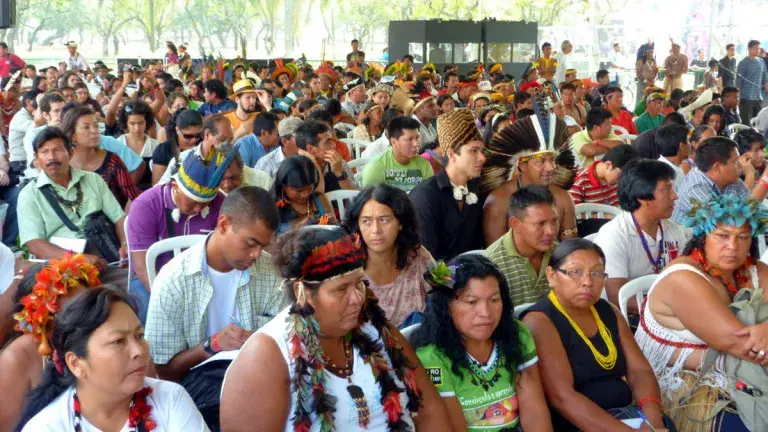
Land Rights
Land Rights
Our work with Native and indigenous peoples has always drawn the connection between indigenous land rights, environmental protection and human rights. When indigenous peoples are deprived of their ties to the earth and their ways of life, they suffer. The effects of poverty, poor health, discrimination, and grave human rights abuses have many Native peoples and cultures at risk of disappearing completely.
Securing Land Ownership Rights for Indigenous Communities in Mexico and Central and South America
Indian tribes in Mexico and in Central and South America are treated terribly almost everywhere. The most important thing we can do to help them is to help them protect and hold on to their lands – lands they need in order to have food and to survive. This is why we are working to assist Indian communities, especially in Mexico and Central and South America, to get strong legal rights to their lands.
The Rapa Nui people are the original inhabitants of Rapa Nui Island, commonly known as “Easter Island.” The island in the southeastern Pacific Ocean is a colony of Chile, “annexed” in 1933 without the consent of the Rapa Nui people. The Rapa Nui people, comprising 36 clans, are engaged in a collective effort to rebuild its government and regain control of their ancestral lands and sacred and burial sites. In addition, the clans want to reclaim their self-government rights so they can curb unsustainable immigration and development on the island. The Center is providing legal assistance to help
Land Rights
Land Rights
Our work with Native and indigenous peoples has always drawn the connection between indigenous land rights, environmental protection and human rights. When indigenous peoples are deprived of their ties to the earth and their ways of life, they suffer. The effects of poverty, poor health, discrimination, and grave human rights abuses have many Native peoples and cultures at risk of disappearing completely.
Securing Land Ownership Rights for Indigenous Communities in Mexico and Central and South America
Indian tribes in Mexico and in Central and South America are treated terribly almost everywhere. The most important thing we can do to help them is to help them protect and hold on to their lands – lands they need in order to have food and to survive. This is why we are working to assist Indian communities, especially in Mexico and Central and South America, to get strong legal rights to their lands.
The Rapa Nui people are the original inhabitants of Rapa Nui Island, commonly known as “Easter Island.” The island in the southeastern Pacific Ocean is a colony of Chile, “annexed” in 1933 without the consent of the Rapa Nui people. The Rapa Nui people, comprising 36 clans, are engaged in a collective effort to rebuild its government and regain control of their ancestral lands and sacred and burial sites. In addition, the clans want to reclaim their self-government rights so they can curb unsustainable immigration and development on the island. The Center is providing legal assistance to help
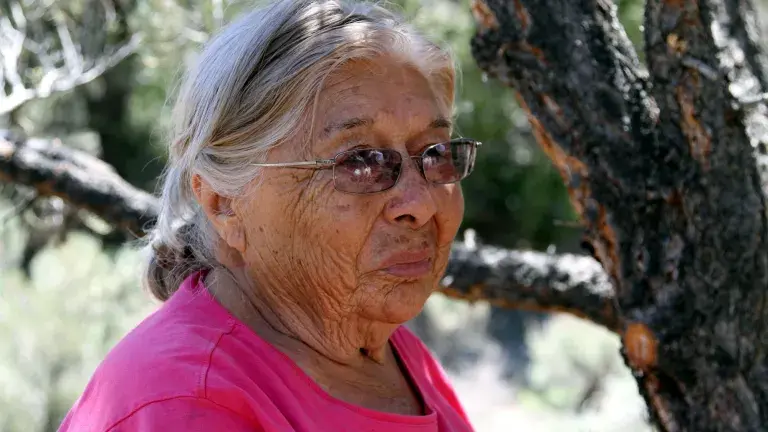
Land Rights
Land Rights
Our work with Native and indigenous peoples has always drawn the connection between indigenous land rights, environmental protection and human rights. When indigenous peoples are deprived of their ties to the earth and their ways of life, they suffer. The effects of poverty, poor health, discrimination, and grave human rights abuses have many Native peoples and cultures at risk of disappearing completely.
Securing Land Ownership Rights for Indigenous Communities in Mexico and Central and South America
Indian tribes in Mexico and in Central and South America are treated terribly almost everywhere. The most important thing we can do to help them is to help them protect and hold on to their lands – lands they need in order to have food and to survive. This is why we are working to assist Indian communities, especially in Mexico and Central and South America, to get strong legal rights to their lands.
The Rapa Nui people are the original inhabitants of Rapa Nui Island, commonly known as “Easter Island.” The island in the southeastern Pacific Ocean is a colony of Chile, “annexed” in 1933 without the consent of the Rapa Nui people. The Rapa Nui people, comprising 36 clans, are engaged in a collective effort to rebuild its government and regain control of their ancestral lands and sacred and burial sites. In addition, the clans want to reclaim their self-government rights so they can curb unsustainable immigration and development on the island. The Center is providing legal assistance to help
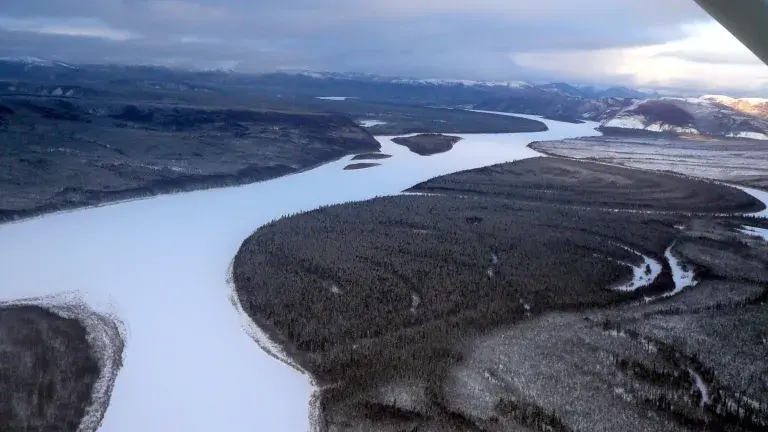
Land Rights
Land Rights
Our work with Native and indigenous peoples has always drawn the connection between indigenous land rights, environmental protection and human rights. When indigenous peoples are deprived of their ties to the earth and their ways of life, they suffer. The effects of poverty, poor health, discrimination, and grave human rights abuses have many Native peoples and cultures at risk of disappearing completely.
Securing Land Ownership Rights for Indigenous Communities in Mexico and Central and South America
Indian tribes in Mexico and in Central and South America are treated terribly almost everywhere. The most important thing we can do to help them is to help them protect and hold on to their lands – lands they need in order to have food and to survive. This is why we are working to assist Indian communities, especially in Mexico and Central and South America, to get strong legal rights to their lands.
The Rapa Nui people are the original inhabitants of Rapa Nui Island, commonly known as “Easter Island.” The island in the southeastern Pacific Ocean is a colony of Chile, “annexed” in 1933 without the consent of the Rapa Nui people. The Rapa Nui people, comprising 36 clans, are engaged in a collective effort to rebuild its government and regain control of their ancestral lands and sacred and burial sites. In addition, the clans want to reclaim their self-government rights so they can curb unsustainable immigration and development on the island. The Center is providing legal assistance to help
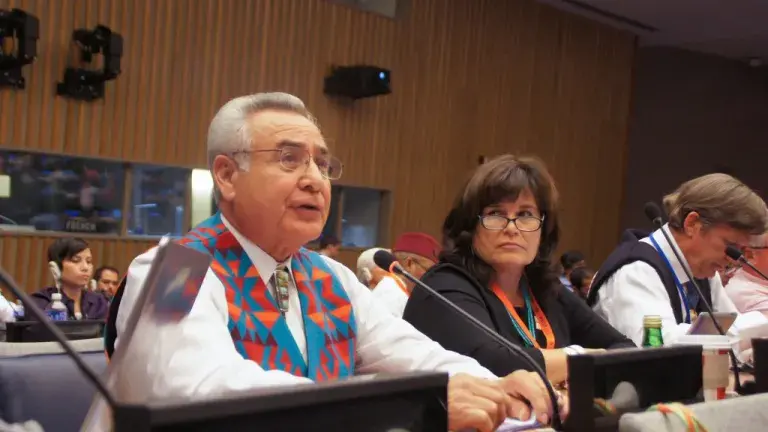
Land Rights
Land Rights
Our work with Native and indigenous peoples has always drawn the connection between indigenous land rights, environmental protection and human rights. When indigenous peoples are deprived of their ties to the earth and their ways of life, they suffer. The effects of poverty, poor health, discrimination, and grave human rights abuses have many Native peoples and cultures at risk of disappearing completely.
Securing Land Ownership Rights for Indigenous Communities in Mexico and Central and South America
Indian tribes in Mexico and in Central and South America are treated terribly almost everywhere. The most important thing we can do to help them is to help them protect and hold on to their lands – lands they need in order to have food and to survive. This is why we are working to assist Indian communities, especially in Mexico and Central and South America, to get strong legal rights to their lands.
The Rapa Nui people are the original inhabitants of Rapa Nui Island, commonly known as “Easter Island.” The island in the southeastern Pacific Ocean is a colony of Chile, “annexed” in 1933 without the consent of the Rapa Nui people. The Rapa Nui people, comprising 36 clans, are engaged in a collective effort to rebuild its government and regain control of their ancestral lands and sacred and burial sites. In addition, the clans want to reclaim their self-government rights so they can curb unsustainable immigration and development on the island. The Center is providing legal assistance to help
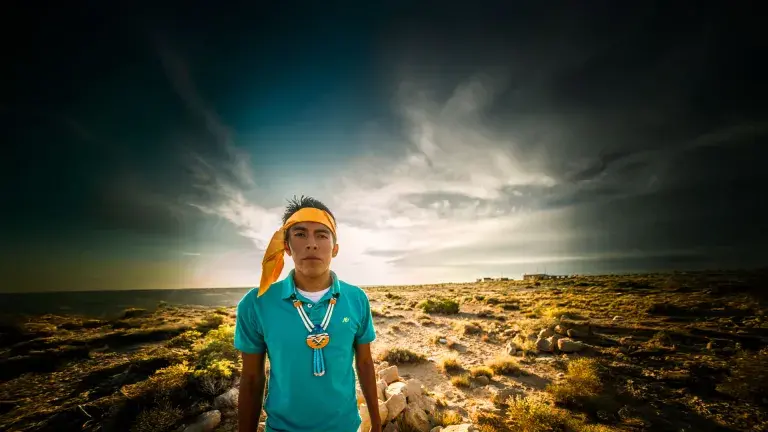
Land Rights
Land Rights
Our work with Native and indigenous peoples has always drawn the connection between indigenous land rights, environmental protection and human rights. When indigenous peoples are deprived of their ties to the earth and their ways of life, they suffer. The effects of poverty, poor health, discrimination, and grave human rights abuses have many Native peoples and cultures at risk of disappearing completely.
Securing Land Ownership Rights for Indigenous Communities in Mexico and Central and South America
Indian tribes in Mexico and in Central and South America are treated terribly almost everywhere. The most important thing we can do to help them is to help them protect and hold on to their lands – lands they need in order to have food and to survive. This is why we are working to assist Indian communities, especially in Mexico and Central and South America, to get strong legal rights to their lands.
The Rapa Nui people are the original inhabitants of Rapa Nui Island, commonly known as “Easter Island.” The island in the southeastern Pacific Ocean is a colony of Chile, “annexed” in 1933 without the consent of the Rapa Nui people. The Rapa Nui people, comprising 36 clans, are engaged in a collective effort to rebuild its government and regain control of their ancestral lands and sacred and burial sites. In addition, the clans want to reclaim their self-government rights so they can curb unsustainable immigration and development on the island. The Center is providing legal assistance to help
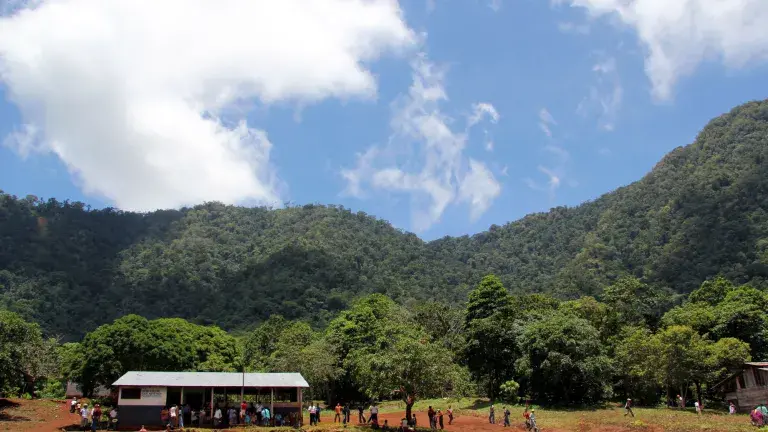
Land Rights
Land Rights
Our work with Native and indigenous peoples has always drawn the connection between indigenous land rights, environmental protection and human rights. When indigenous peoples are deprived of their ties to the earth and their ways of life, they suffer. The effects of poverty, poor health, discrimination, and grave human rights abuses have many Native peoples and cultures at risk of disappearing completely.
Securing Land Ownership Rights for Indigenous Communities in Mexico and Central and South America
Indian tribes in Mexico and in Central and South America are treated terribly almost everywhere. The most important thing we can do to help them is to help them protect and hold on to their lands – lands they need in order to have food and to survive. This is why we are working to assist Indian communities, especially in Mexico and Central and South America, to get strong legal rights to their lands.
The Rapa Nui people are the original inhabitants of Rapa Nui Island, commonly known as “Easter Island.” The island in the southeastern Pacific Ocean is a colony of Chile, “annexed” in 1933 without the consent of the Rapa Nui people. The Rapa Nui people, comprising 36 clans, are engaged in a collective effort to rebuild its government and regain control of their ancestral lands and sacred and burial sites. In addition, the clans want to reclaim their self-government rights so they can curb unsustainable immigration and development on the island. The Center is providing legal assistance to help
Land Rights
Land Rights
Our work with Native and indigenous peoples has always drawn the connection between indigenous land rights, environmental protection and human rights. When indigenous peoples are deprived of their ties to the earth and their ways of life, they suffer. The effects of poverty, poor health, discrimination, and grave human rights abuses have many Native peoples and cultures at risk of disappearing completely.
Securing Land Ownership Rights for Indigenous Communities in Mexico and Central and South America
Indian tribes in Mexico and in Central and South America are treated terribly almost everywhere. The most important thing we can do to help them is to help them protect and hold on to their lands – lands they need in order to have food and to survive. This is why we are working to assist Indian communities, especially in Mexico and Central and South America, to get strong legal rights to their lands.
The Rapa Nui people are the original inhabitants of Rapa Nui Island, commonly known as “Easter Island.” The island in the southeastern Pacific Ocean is a colony of Chile, “annexed” in 1933 without the consent of the Rapa Nui people. The Rapa Nui people, comprising 36 clans, are engaged in a collective effort to rebuild its government and regain control of their ancestral lands and sacred and burial sites. In addition, the clans want to reclaim their self-government rights so they can curb unsustainable immigration and development on the island. The Center is providing legal assistance to help
Land Rights
Land Rights
Our work with Native and indigenous peoples has always drawn the connection between indigenous land rights, environmental protection and human rights. When indigenous peoples are deprived of their ties to the earth and their ways of life, they suffer. The effects of poverty, poor health, discrimination, and grave human rights abuses have many Native peoples and cultures at risk of disappearing completely.
Securing Land Ownership Rights for Indigenous Communities in Mexico and Central and South America
Indian tribes in Mexico and in Central and South America are treated terribly almost everywhere. The most important thing we can do to help them is to help them protect and hold on to their lands – lands they need in order to have food and to survive. This is why we are working to assist Indian communities, especially in Mexico and Central and South America, to get strong legal rights to their lands.
The Rapa Nui people are the original inhabitants of Rapa Nui Island, commonly known as “Easter Island.” The island in the southeastern Pacific Ocean is a colony of Chile, “annexed” in 1933 without the consent of the Rapa Nui people. The Rapa Nui people, comprising 36 clans, are engaged in a collective effort to rebuild its government and regain control of their ancestral lands and sacred and burial sites. In addition, the clans want to reclaim their self-government rights so they can curb unsustainable immigration and development on the island. The Center is providing legal assistance to help
Land Rights
Land Rights
Our work with Native and indigenous peoples has always drawn the connection between indigenous land rights, environmental protection and human rights. When indigenous peoples are deprived of their ties to the earth and their ways of life, they suffer. The effects of poverty, poor health, discrimination, and grave human rights abuses have many Native peoples and cultures at risk of disappearing completely.
Securing Land Ownership Rights for Indigenous Communities in Mexico and Central and South America
Indian tribes in Mexico and in Central and South America are treated terribly almost everywhere. The most important thing we can do to help them is to help them protect and hold on to their lands – lands they need in order to have food and to survive. This is why we are working to assist Indian communities, especially in Mexico and Central and South America, to get strong legal rights to their lands.
The Rapa Nui people are the original inhabitants of Rapa Nui Island, commonly known as “Easter Island.” The island in the southeastern Pacific Ocean is a colony of Chile, “annexed” in 1933 without the consent of the Rapa Nui people. The Rapa Nui people, comprising 36 clans, are engaged in a collective effort to rebuild its government and regain control of their ancestral lands and sacred and burial sites. In addition, the clans want to reclaim their self-government rights so they can curb unsustainable immigration and development on the island. The Center is providing legal assistance to help
Land Rights
Land Rights
Our work with Native and indigenous peoples has always drawn the connection between indigenous land rights, environmental protection and human rights. When indigenous peoples are deprived of their ties to the earth and their ways of life, they suffer. The effects of poverty, poor health, discrimination, and grave human rights abuses have many Native peoples and cultures at risk of disappearing completely.
Securing Land Ownership Rights for Indigenous Communities in Mexico and Central and South America
Indian tribes in Mexico and in Central and South America are treated terribly almost everywhere. The most important thing we can do to help them is to help them protect and hold on to their lands – lands they need in order to have food and to survive. This is why we are working to assist Indian communities, especially in Mexico and Central and South America, to get strong legal rights to their lands.
The Rapa Nui people are the original inhabitants of Rapa Nui Island, commonly known as “Easter Island.” The island in the southeastern Pacific Ocean is a colony of Chile, “annexed” in 1933 without the consent of the Rapa Nui people. The Rapa Nui people, comprising 36 clans, are engaged in a collective effort to rebuild its government and regain control of their ancestral lands and sacred and burial sites. In addition, the clans want to reclaim their self-government rights so they can curb unsustainable immigration and development on the island. The Center is providing legal assistance to help
Land Rights
Land Rights
Our work with Native and indigenous peoples has always drawn the connection between indigenous land rights, environmental protection and human rights. When indigenous peoples are deprived of their ties to the earth and their ways of life, they suffer. The effects of poverty, poor health, discrimination, and grave human rights abuses have many Native peoples and cultures at risk of disappearing completely.
Securing Land Ownership Rights for Indigenous Communities in Mexico and Central and South America
Indian tribes in Mexico and in Central and South America are treated terribly almost everywhere. The most important thing we can do to help them is to help them protect and hold on to their lands – lands they need in order to have food and to survive. This is why we are working to assist Indian communities, especially in Mexico and Central and South America, to get strong legal rights to their lands.
The Rapa Nui people are the original inhabitants of Rapa Nui Island, commonly known as “Easter Island.” The island in the southeastern Pacific Ocean is a colony of Chile, “annexed” in 1933 without the consent of the Rapa Nui people. The Rapa Nui people, comprising 36 clans, are engaged in a collective effort to rebuild its government and regain control of their ancestral lands and sacred and burial sites. In addition, the clans want to reclaim their self-government rights so they can curb unsustainable immigration and development on the island. The Center is providing legal assistance to help
Land Rights
Land Rights
Our work with Native and indigenous peoples has always drawn the connection between indigenous land rights, environmental protection and human rights. When indigenous peoples are deprived of their ties to the earth and their ways of life, they suffer. The effects of poverty, poor health, discrimination, and grave human rights abuses have many Native peoples and cultures at risk of disappearing completely.
Securing Land Ownership Rights for Indigenous Communities in Mexico and Central and South America
Indian tribes in Mexico and in Central and South America are treated terribly almost everywhere. The most important thing we can do to help them is to help them protect and hold on to their lands – lands they need in order to have food and to survive. This is why we are working to assist Indian communities, especially in Mexico and Central and South America, to get strong legal rights to their lands.
The Rapa Nui people are the original inhabitants of Rapa Nui Island, commonly known as “Easter Island.” The island in the southeastern Pacific Ocean is a colony of Chile, “annexed” in 1933 without the consent of the Rapa Nui people. The Rapa Nui people, comprising 36 clans, are engaged in a collective effort to rebuild its government and regain control of their ancestral lands and sacred and burial sites. In addition, the clans want to reclaim their self-government rights so they can curb unsustainable immigration and development on the island. The Center is providing legal assistance to help
Land Rights
Land Rights
Our work with Native and indigenous peoples has always drawn the connection between indigenous land rights, environmental protection and human rights. When indigenous peoples are deprived of their ties to the earth and their ways of life, they suffer. The effects of poverty, poor health, discrimination, and grave human rights abuses have many Native peoples and cultures at risk of disappearing completely.
Securing Land Ownership Rights for Indigenous Communities in Mexico and Central and South America
Indian tribes in Mexico and in Central and South America are treated terribly almost everywhere. The most important thing we can do to help them is to help them protect and hold on to their lands – lands they need in order to have food and to survive. This is why we are working to assist Indian communities, especially in Mexico and Central and South America, to get strong legal rights to their lands.
The Rapa Nui people are the original inhabitants of Rapa Nui Island, commonly known as “Easter Island.” The island in the southeastern Pacific Ocean is a colony of Chile, “annexed” in 1933 without the consent of the Rapa Nui people. The Rapa Nui people, comprising 36 clans, are engaged in a collective effort to rebuild its government and regain control of their ancestral lands and sacred and burial sites. In addition, the clans want to reclaim their self-government rights so they can curb unsustainable immigration and development on the island. The Center is providing legal assistance to help
Land Rights
Land Rights
Our work with Native and indigenous peoples has always drawn the connection between indigenous land rights, environmental protection and human rights. When indigenous peoples are deprived of their ties to the earth and their ways of life, they suffer. The effects of poverty, poor health, discrimination, and grave human rights abuses have many Native peoples and cultures at risk of disappearing completely.
Securing Land Ownership Rights for Indigenous Communities in Mexico and Central and South America
Indian tribes in Mexico and in Central and South America are treated terribly almost everywhere. The most important thing we can do to help them is to help them protect and hold on to their lands – lands they need in order to have food and to survive. This is why we are working to assist Indian communities, especially in Mexico and Central and South America, to get strong legal rights to their lands.
The Rapa Nui people are the original inhabitants of Rapa Nui Island, commonly known as “Easter Island.” The island in the southeastern Pacific Ocean is a colony of Chile, “annexed” in 1933 without the consent of the Rapa Nui people. The Rapa Nui people, comprising 36 clans, are engaged in a collective effort to rebuild its government and regain control of their ancestral lands and sacred and burial sites. In addition, the clans want to reclaim their self-government rights so they can curb unsustainable immigration and development on the island. The Center is providing legal assistance to help
Land Rights
Land Rights
Our work with Native and indigenous peoples has always drawn the connection between indigenous land rights, environmental protection and human rights. When indigenous peoples are deprived of their ties to the earth and their ways of life, they suffer. The effects of poverty, poor health, discrimination, and grave human rights abuses have many Native peoples and cultures at risk of disappearing completely.
Securing Land Ownership Rights for Indigenous Communities in Mexico and Central and South America
Indian tribes in Mexico and in Central and South America are treated terribly almost everywhere. The most important thing we can do to help them is to help them protect and hold on to their lands – lands they need in order to have food and to survive. This is why we are working to assist Indian communities, especially in Mexico and Central and South America, to get strong legal rights to their lands.
The Rapa Nui people are the original inhabitants of Rapa Nui Island, commonly known as “Easter Island.” The island in the southeastern Pacific Ocean is a colony of Chile, “annexed” in 1933 without the consent of the Rapa Nui people. The Rapa Nui people, comprising 36 clans, are engaged in a collective effort to rebuild its government and regain control of their ancestral lands and sacred and burial sites. In addition, the clans want to reclaim their self-government rights so they can curb unsustainable immigration and development on the island. The Center is providing legal assistance to help
Land Rights
Land Rights
Our work with Native and indigenous peoples has always drawn the connection between indigenous land rights, environmental protection and human rights. When indigenous peoples are deprived of their ties to the earth and their ways of life, they suffer. The effects of poverty, poor health, discrimination, and grave human rights abuses have many Native peoples and cultures at risk of disappearing completely.
Securing Land Ownership Rights for Indigenous Communities in Mexico and Central and South America
Indian tribes in Mexico and in Central and South America are treated terribly almost everywhere. The most important thing we can do to help them is to help them protect and hold on to their lands – lands they need in order to have food and to survive. This is why we are working to assist Indian communities, especially in Mexico and Central and South America, to get strong legal rights to their lands.
The Rapa Nui people are the original inhabitants of Rapa Nui Island, commonly known as “Easter Island.” The island in the southeastern Pacific Ocean is a colony of Chile, “annexed” in 1933 without the consent of the Rapa Nui people. The Rapa Nui people, comprising 36 clans, are engaged in a collective effort to rebuild its government and regain control of their ancestral lands and sacred and burial sites. In addition, the clans want to reclaim their self-government rights so they can curb unsustainable immigration and development on the island. The Center is providing legal assistance to help
Land Rights
Land Rights
Our work with Native and indigenous peoples has always drawn the connection between indigenous land rights, environmental protection and human rights. When indigenous peoples are deprived of their ties to the earth and their ways of life, they suffer. The effects of poverty, poor health, discrimination, and grave human rights abuses have many Native peoples and cultures at risk of disappearing completely.
Securing Land Ownership Rights for Indigenous Communities in Mexico and Central and South America
Indian tribes in Mexico and in Central and South America are treated terribly almost everywhere. The most important thing we can do to help them is to help them protect and hold on to their lands – lands they need in order to have food and to survive. This is why we are working to assist Indian communities, especially in Mexico and Central and South America, to get strong legal rights to their lands.
The Rapa Nui people are the original inhabitants of Rapa Nui Island, commonly known as “Easter Island.” The island in the southeastern Pacific Ocean is a colony of Chile, “annexed” in 1933 without the consent of the Rapa Nui people. The Rapa Nui people, comprising 36 clans, are engaged in a collective effort to rebuild its government and regain control of their ancestral lands and sacred and burial sites. In addition, the clans want to reclaim their self-government rights so they can curb unsustainable immigration and development on the island. The Center is providing legal assistance to help
Land Rights
Land Rights
Our work with Native and indigenous peoples has always drawn the connection between indigenous land rights, environmental protection and human rights. When indigenous peoples are deprived of their ties to the earth and their ways of life, they suffer. The effects of poverty, poor health, discrimination, and grave human rights abuses have many Native peoples and cultures at risk of disappearing completely.
Securing Land Ownership Rights for Indigenous Communities in Mexico and Central and South America
Indian tribes in Mexico and in Central and South America are treated terribly almost everywhere. The most important thing we can do to help them is to help them protect and hold on to their lands – lands they need in order to have food and to survive. This is why we are working to assist Indian communities, especially in Mexico and Central and South America, to get strong legal rights to their lands.
The Rapa Nui people are the original inhabitants of Rapa Nui Island, commonly known as “Easter Island.” The island in the southeastern Pacific Ocean is a colony of Chile, “annexed” in 1933 without the consent of the Rapa Nui people. The Rapa Nui people, comprising 36 clans, are engaged in a collective effort to rebuild its government and regain control of their ancestral lands and sacred and burial sites. In addition, the clans want to reclaim their self-government rights so they can curb unsustainable immigration and development on the island. The Center is providing legal assistance to help
Land Rights
Land Rights
Our work with Native and indigenous peoples has always drawn the connection between indigenous land rights, environmental protection and human rights. When indigenous peoples are deprived of their ties to the earth and their ways of life, they suffer. The effects of poverty, poor health, discrimination, and grave human rights abuses have many Native peoples and cultures at risk of disappearing completely.
Securing Land Ownership Rights for Indigenous Communities in Mexico and Central and South America
Indian tribes in Mexico and in Central and South America are treated terribly almost everywhere. The most important thing we can do to help them is to help them protect and hold on to their lands – lands they need in order to have food and to survive. This is why we are working to assist Indian communities, especially in Mexico and Central and South America, to get strong legal rights to their lands.
The Rapa Nui people are the original inhabitants of Rapa Nui Island, commonly known as “Easter Island.” The island in the southeastern Pacific Ocean is a colony of Chile, “annexed” in 1933 without the consent of the Rapa Nui people. The Rapa Nui people, comprising 36 clans, are engaged in a collective effort to rebuild its government and regain control of their ancestral lands and sacred and burial sites. In addition, the clans want to reclaim their self-government rights so they can curb unsustainable immigration and development on the island. The Center is providing legal assistance to help
Land Rights
Land Rights
Our work with Native and indigenous peoples has always drawn the connection between indigenous land rights, environmental protection and human rights. When indigenous peoples are deprived of their ties to the earth and their ways of life, they suffer. The effects of poverty, poor health, discrimination, and grave human rights abuses have many Native peoples and cultures at risk of disappearing completely.
Securing Land Ownership Rights for Indigenous Communities in Mexico and Central and South America
Indian tribes in Mexico and in Central and South America are treated terribly almost everywhere. The most important thing we can do to help them is to help them protect and hold on to their lands – lands they need in order to have food and to survive. This is why we are working to assist Indian communities, especially in Mexico and Central and South America, to get strong legal rights to their lands.
The Rapa Nui people are the original inhabitants of Rapa Nui Island, commonly known as “Easter Island.” The island in the southeastern Pacific Ocean is a colony of Chile, “annexed” in 1933 without the consent of the Rapa Nui people. The Rapa Nui people, comprising 36 clans, are engaged in a collective effort to rebuild its government and regain control of their ancestral lands and sacred and burial sites. In addition, the clans want to reclaim their self-government rights so they can curb unsustainable immigration and development on the island. The Center is providing legal assistance to help
Land Rights
Land Rights
Our work with Native and indigenous peoples has always drawn the connection between indigenous land rights, environmental protection and human rights. When indigenous peoples are deprived of their ties to the earth and their ways of life, they suffer. The effects of poverty, poor health, discrimination, and grave human rights abuses have many Native peoples and cultures at risk of disappearing completely.
Securing Land Ownership Rights for Indigenous Communities in Mexico and Central and South America
Indian tribes in Mexico and in Central and South America are treated terribly almost everywhere. The most important thing we can do to help them is to help them protect and hold on to their lands – lands they need in order to have food and to survive. This is why we are working to assist Indian communities, especially in Mexico and Central and South America, to get strong legal rights to their lands.
The Rapa Nui people are the original inhabitants of Rapa Nui Island, commonly known as “Easter Island.” The island in the southeastern Pacific Ocean is a colony of Chile, “annexed” in 1933 without the consent of the Rapa Nui people. The Rapa Nui people, comprising 36 clans, are engaged in a collective effort to rebuild its government and regain control of their ancestral lands and sacred and burial sites. In addition, the clans want to reclaim their self-government rights so they can curb unsustainable immigration and development on the island. The Center is providing legal assistance to help
Land Rights
Land Rights
Our work with Native and indigenous peoples has always drawn the connection between indigenous land rights, environmental protection and human rights. When indigenous peoples are deprived of their ties to the earth and their ways of life, they suffer. The effects of poverty, poor health, discrimination, and grave human rights abuses have many Native peoples and cultures at risk of disappearing completely.
Securing Land Ownership Rights for Indigenous Communities in Mexico and Central and South America
Indian tribes in Mexico and in Central and South America are treated terribly almost everywhere. The most important thing we can do to help them is to help them protect and hold on to their lands – lands they need in order to have food and to survive. This is why we are working to assist Indian communities, especially in Mexico and Central and South America, to get strong legal rights to their lands.
The Rapa Nui people are the original inhabitants of Rapa Nui Island, commonly known as “Easter Island.” The island in the southeastern Pacific Ocean is a colony of Chile, “annexed” in 1933 without the consent of the Rapa Nui people. The Rapa Nui people, comprising 36 clans, are engaged in a collective effort to rebuild its government and regain control of their ancestral lands and sacred and burial sites. In addition, the clans want to reclaim their self-government rights so they can curb unsustainable immigration and development on the island. The Center is providing legal assistance to help
Land Rights
Land Rights
Our work with Native and indigenous peoples has always drawn the connection between indigenous land rights, environmental protection and human rights. When indigenous peoples are deprived of their ties to the earth and their ways of life, they suffer. The effects of poverty, poor health, discrimination, and grave human rights abuses have many Native peoples and cultures at risk of disappearing completely.
Securing Land Ownership Rights for Indigenous Communities in Mexico and Central and South America
Indian tribes in Mexico and in Central and South America are treated terribly almost everywhere. The most important thing we can do to help them is to help them protect and hold on to their lands – lands they need in order to have food and to survive. This is why we are working to assist Indian communities, especially in Mexico and Central and South America, to get strong legal rights to their lands.
The Rapa Nui people are the original inhabitants of Rapa Nui Island, commonly known as “Easter Island.” The island in the southeastern Pacific Ocean is a colony of Chile, “annexed” in 1933 without the consent of the Rapa Nui people. The Rapa Nui people, comprising 36 clans, are engaged in a collective effort to rebuild its government and regain control of their ancestral lands and sacred and burial sites. In addition, the clans want to reclaim their self-government rights so they can curb unsustainable immigration and development on the island. The Center is providing legal assistance to help
Land Rights
Land Rights
Our work with Native and indigenous peoples has always drawn the connection between indigenous land rights, environmental protection and human rights. When indigenous peoples are deprived of their ties to the earth and their ways of life, they suffer. The effects of poverty, poor health, discrimination, and grave human rights abuses have many Native peoples and cultures at risk of disappearing completely.
Securing Land Ownership Rights for Indigenous Communities in Mexico and Central and South America
Indian tribes in Mexico and in Central and South America are treated terribly almost everywhere. The most important thing we can do to help them is to help them protect and hold on to their lands – lands they need in order to have food and to survive. This is why we are working to assist Indian communities, especially in Mexico and Central and South America, to get strong legal rights to their lands.
The Rapa Nui people are the original inhabitants of Rapa Nui Island, commonly known as “Easter Island.” The island in the southeastern Pacific Ocean is a colony of Chile, “annexed” in 1933 without the consent of the Rapa Nui people. The Rapa Nui people, comprising 36 clans, are engaged in a collective effort to rebuild its government and regain control of their ancestral lands and sacred and burial sites. In addition, the clans want to reclaim their self-government rights so they can curb unsustainable immigration and development on the island. The Center is providing legal assistance to help
Land Rights
Land Rights
Our work with Native and indigenous peoples has always drawn the connection between indigenous land rights, environmental protection and human rights. When indigenous peoples are deprived of their ties to the earth and their ways of life, they suffer. The effects of poverty, poor health, discrimination, and grave human rights abuses have many Native peoples and cultures at risk of disappearing completely.
Securing Land Ownership Rights for Indigenous Communities in Mexico and Central and South America
Indian tribes in Mexico and in Central and South America are treated terribly almost everywhere. The most important thing we can do to help them is to help them protect and hold on to their lands – lands they need in order to have food and to survive. This is why we are working to assist Indian communities, especially in Mexico and Central and South America, to get strong legal rights to their lands.
The Rapa Nui people are the original inhabitants of Rapa Nui Island, commonly known as “Easter Island.” The island in the southeastern Pacific Ocean is a colony of Chile, “annexed” in 1933 without the consent of the Rapa Nui people. The Rapa Nui people, comprising 36 clans, are engaged in a collective effort to rebuild its government and regain control of their ancestral lands and sacred and burial sites. In addition, the clans want to reclaim their self-government rights so they can curb unsustainable immigration and development on the island. The Center is providing legal assistance to help
Land Rights
Land Rights
Our work with Native and indigenous peoples has always drawn the connection between indigenous land rights, environmental protection and human rights. When indigenous peoples are deprived of their ties to the earth and their ways of life, they suffer. The effects of poverty, poor health, discrimination, and grave human rights abuses have many Native peoples and cultures at risk of disappearing completely.
Securing Land Ownership Rights for Indigenous Communities in Mexico and Central and South America
Indian tribes in Mexico and in Central and South America are treated terribly almost everywhere. The most important thing we can do to help them is to help them protect and hold on to their lands – lands they need in order to have food and to survive. This is why we are working to assist Indian communities, especially in Mexico and Central and South America, to get strong legal rights to their lands.
The Rapa Nui people are the original inhabitants of Rapa Nui Island, commonly known as “Easter Island.” The island in the southeastern Pacific Ocean is a colony of Chile, “annexed” in 1933 without the consent of the Rapa Nui people. The Rapa Nui people, comprising 36 clans, are engaged in a collective effort to rebuild its government and regain control of their ancestral lands and sacred and burial sites. In addition, the clans want to reclaim their self-government rights so they can curb unsustainable immigration and development on the island. The Center is providing legal assistance to help
Land Rights
Land Rights
Our work with Native and indigenous peoples has always drawn the connection between indigenous land rights, environmental protection and human rights. When indigenous peoples are deprived of their ties to the earth and their ways of life, they suffer. The effects of poverty, poor health, discrimination, and grave human rights abuses have many Native peoples and cultures at risk of disappearing completely.
Securing Land Ownership Rights for Indigenous Communities in Mexico and Central and South America
Indian tribes in Mexico and in Central and South America are treated terribly almost everywhere. The most important thing we can do to help them is to help them protect and hold on to their lands – lands they need in order to have food and to survive. This is why we are working to assist Indian communities, especially in Mexico and Central and South America, to get strong legal rights to their lands.
The Rapa Nui people are the original inhabitants of Rapa Nui Island, commonly known as “Easter Island.” The island in the southeastern Pacific Ocean is a colony of Chile, “annexed” in 1933 without the consent of the Rapa Nui people. The Rapa Nui people, comprising 36 clans, are engaged in a collective effort to rebuild its government and regain control of their ancestral lands and sacred and burial sites. In addition, the clans want to reclaim their self-government rights so they can curb unsustainable immigration and development on the island. The Center is providing legal assistance to help
Land Rights
Land Rights
Our work with Native and indigenous peoples has always drawn the connection between indigenous land rights, environmental protection and human rights. When indigenous peoples are deprived of their ties to the earth and their ways of life, they suffer. The effects of poverty, poor health, discrimination, and grave human rights abuses have many Native peoples and cultures at risk of disappearing completely.
Securing Land Ownership Rights for Indigenous Communities in Mexico and Central and South America
Indian tribes in Mexico and in Central and South America are treated terribly almost everywhere. The most important thing we can do to help them is to help them protect and hold on to their lands – lands they need in order to have food and to survive. This is why we are working to assist Indian communities, especially in Mexico and Central and South America, to get strong legal rights to their lands.
The Rapa Nui people are the original inhabitants of Rapa Nui Island, commonly known as “Easter Island.” The island in the southeastern Pacific Ocean is a colony of Chile, “annexed” in 1933 without the consent of the Rapa Nui people. The Rapa Nui people, comprising 36 clans, are engaged in a collective effort to rebuild its government and regain control of their ancestral lands and sacred and burial sites. In addition, the clans want to reclaim their self-government rights so they can curb unsustainable immigration and development on the island. The Center is providing legal assistance to help
Land Rights
Land Rights
Our work with Native and indigenous peoples has always drawn the connection between indigenous land rights, environmental protection and human rights. When indigenous peoples are deprived of their ties to the earth and their ways of life, they suffer. The effects of poverty, poor health, discrimination, and grave human rights abuses have many Native peoples and cultures at risk of disappearing completely.
Securing Land Ownership Rights for Indigenous Communities in Mexico and Central and South America
Indian tribes in Mexico and in Central and South America are treated terribly almost everywhere. The most important thing we can do to help them is to help them protect and hold on to their lands – lands they need in order to have food and to survive. This is why we are working to assist Indian communities, especially in Mexico and Central and South America, to get strong legal rights to their lands.
The Rapa Nui people are the original inhabitants of Rapa Nui Island, commonly known as “Easter Island.” The island in the southeastern Pacific Ocean is a colony of Chile, “annexed” in 1933 without the consent of the Rapa Nui people. The Rapa Nui people, comprising 36 clans, are engaged in a collective effort to rebuild its government and regain control of their ancestral lands and sacred and burial sites. In addition, the clans want to reclaim their self-government rights so they can curb unsustainable immigration and development on the island. The Center is providing legal assistance to help
Land Rights
Land Rights
Our work with Native and indigenous peoples has always drawn the connection between indigenous land rights, environmental protection and human rights. When indigenous peoples are deprived of their ties to the earth and their ways of life, they suffer. The effects of poverty, poor health, discrimination, and grave human rights abuses have many Native peoples and cultures at risk of disappearing completely.
Securing Land Ownership Rights for Indigenous Communities in Mexico and Central and South America
Indian tribes in Mexico and in Central and South America are treated terribly almost everywhere. The most important thing we can do to help them is to help them protect and hold on to their lands – lands they need in order to have food and to survive. This is why we are working to assist Indian communities, especially in Mexico and Central and South America, to get strong legal rights to their lands.
The Rapa Nui people are the original inhabitants of Rapa Nui Island, commonly known as “Easter Island.” The island in the southeastern Pacific Ocean is a colony of Chile, “annexed” in 1933 without the consent of the Rapa Nui people. The Rapa Nui people, comprising 36 clans, are engaged in a collective effort to rebuild its government and regain control of their ancestral lands and sacred and burial sites. In addition, the clans want to reclaim their self-government rights so they can curb unsustainable immigration and development on the island. The Center is providing legal assistance to help
Land Rights
Land Rights
Our work with Native and indigenous peoples has always drawn the connection between indigenous land rights, environmental protection and human rights. When indigenous peoples are deprived of their ties to the earth and their ways of life, they suffer. The effects of poverty, poor health, discrimination, and grave human rights abuses have many Native peoples and cultures at risk of disappearing completely.
Securing Land Ownership Rights for Indigenous Communities in Mexico and Central and South America
Indian tribes in Mexico and in Central and South America are treated terribly almost everywhere. The most important thing we can do to help them is to help them protect and hold on to their lands – lands they need in order to have food and to survive. This is why we are working to assist Indian communities, especially in Mexico and Central and South America, to get strong legal rights to their lands.
The Rapa Nui people are the original inhabitants of Rapa Nui Island, commonly known as “Easter Island.” The island in the southeastern Pacific Ocean is a colony of Chile, “annexed” in 1933 without the consent of the Rapa Nui people. The Rapa Nui people, comprising 36 clans, are engaged in a collective effort to rebuild its government and regain control of their ancestral lands and sacred and burial sites. In addition, the clans want to reclaim their self-government rights so they can curb unsustainable immigration and development on the island. The Center is providing legal assistance to help
Land Rights
Land Rights
Our work with Native and indigenous peoples has always drawn the connection between indigenous land rights, environmental protection and human rights. When indigenous peoples are deprived of their ties to the earth and their ways of life, they suffer. The effects of poverty, poor health, discrimination, and grave human rights abuses have many Native peoples and cultures at risk of disappearing completely.
Securing Land Ownership Rights for Indigenous Communities in Mexico and Central and South America
Indian tribes in Mexico and in Central and South America are treated terribly almost everywhere. The most important thing we can do to help them is to help them protect and hold on to their lands – lands they need in order to have food and to survive. This is why we are working to assist Indian communities, especially in Mexico and Central and South America, to get strong legal rights to their lands.
The Rapa Nui people are the original inhabitants of Rapa Nui Island, commonly known as “Easter Island.” The island in the southeastern Pacific Ocean is a colony of Chile, “annexed” in 1933 without the consent of the Rapa Nui people. The Rapa Nui people, comprising 36 clans, are engaged in a collective effort to rebuild its government and regain control of their ancestral lands and sacred and burial sites. In addition, the clans want to reclaim their self-government rights so they can curb unsustainable immigration and development on the island. The Center is providing legal assistance to help
Land Rights
Land Rights
Our work with Native and indigenous peoples has always drawn the connection between indigenous land rights, environmental protection and human rights. When indigenous peoples are deprived of their ties to the earth and their ways of life, they suffer. The effects of poverty, poor health, discrimination, and grave human rights abuses have many Native peoples and cultures at risk of disappearing completely.
Securing Land Ownership Rights for Indigenous Communities in Mexico and Central and South America
Indian tribes in Mexico and in Central and South America are treated terribly almost everywhere. The most important thing we can do to help them is to help them protect and hold on to their lands – lands they need in order to have food and to survive. This is why we are working to assist Indian communities, especially in Mexico and Central and South America, to get strong legal rights to their lands.
The Rapa Nui people are the original inhabitants of Rapa Nui Island, commonly known as “Easter Island.” The island in the southeastern Pacific Ocean is a colony of Chile, “annexed” in 1933 without the consent of the Rapa Nui people. The Rapa Nui people, comprising 36 clans, are engaged in a collective effort to rebuild its government and regain control of their ancestral lands and sacred and burial sites. In addition, the clans want to reclaim their self-government rights so they can curb unsustainable immigration and development on the island. The Center is providing legal assistance to help
Land Rights
Land Rights
Our work with Native and indigenous peoples has always drawn the connection between indigenous land rights, environmental protection and human rights. When indigenous peoples are deprived of their ties to the earth and their ways of life, they suffer. The effects of poverty, poor health, discrimination, and grave human rights abuses have many Native peoples and cultures at risk of disappearing completely.
Securing Land Ownership Rights for Indigenous Communities in Mexico and Central and South America
Indian tribes in Mexico and in Central and South America are treated terribly almost everywhere. The most important thing we can do to help them is to help them protect and hold on to their lands – lands they need in order to have food and to survive. This is why we are working to assist Indian communities, especially in Mexico and Central and South America, to get strong legal rights to their lands.
The Rapa Nui people are the original inhabitants of Rapa Nui Island, commonly known as “Easter Island.” The island in the southeastern Pacific Ocean is a colony of Chile, “annexed” in 1933 without the consent of the Rapa Nui people. The Rapa Nui people, comprising 36 clans, are engaged in a collective effort to rebuild its government and regain control of their ancestral lands and sacred and burial sites. In addition, the clans want to reclaim their self-government rights so they can curb unsustainable immigration and development on the island. The Center is providing legal assistance to help
Land Rights
Land Rights
Our work with Native and indigenous peoples has always drawn the connection between indigenous land rights, environmental protection and human rights. When indigenous peoples are deprived of their ties to the earth and their ways of life, they suffer. The effects of poverty, poor health, discrimination, and grave human rights abuses have many Native peoples and cultures at risk of disappearing completely.
Securing Land Ownership Rights for Indigenous Communities in Mexico and Central and South America
Indian tribes in Mexico and in Central and South America are treated terribly almost everywhere. The most important thing we can do to help them is to help them protect and hold on to their lands – lands they need in order to have food and to survive. This is why we are working to assist Indian communities, especially in Mexico and Central and South America, to get strong legal rights to their lands.
The Rapa Nui people are the original inhabitants of Rapa Nui Island, commonly known as “Easter Island.” The island in the southeastern Pacific Ocean is a colony of Chile, “annexed” in 1933 without the consent of the Rapa Nui people. The Rapa Nui people, comprising 36 clans, are engaged in a collective effort to rebuild its government and regain control of their ancestral lands and sacred and burial sites. In addition, the clans want to reclaim their self-government rights so they can curb unsustainable immigration and development on the island. The Center is providing legal assistance to help
Land Rights
Land Rights
Our work with Native and indigenous peoples has always drawn the connection between indigenous land rights, environmental protection and human rights. When indigenous peoples are deprived of their ties to the earth and their ways of life, they suffer. The effects of poverty, poor health, discrimination, and grave human rights abuses have many Native peoples and cultures at risk of disappearing completely.
Securing Land Ownership Rights for Indigenous Communities in Mexico and Central and South America
Indian tribes in Mexico and in Central and South America are treated terribly almost everywhere. The most important thing we can do to help them is to help them protect and hold on to their lands – lands they need in order to have food and to survive. This is why we are working to assist Indian communities, especially in Mexico and Central and South America, to get strong legal rights to their lands.
The Rapa Nui people are the original inhabitants of Rapa Nui Island, commonly known as “Easter Island.” The island in the southeastern Pacific Ocean is a colony of Chile, “annexed” in 1933 without the consent of the Rapa Nui people. The Rapa Nui people, comprising 36 clans, are engaged in a collective effort to rebuild its government and regain control of their ancestral lands and sacred and burial sites. In addition, the clans want to reclaim their self-government rights so they can curb unsustainable immigration and development on the island. The Center is providing legal assistance to help
Land Rights
Land Rights
Our work with Native and indigenous peoples has always drawn the connection between indigenous land rights, environmental protection and human rights. When indigenous peoples are deprived of their ties to the earth and their ways of life, they suffer. The effects of poverty, poor health, discrimination, and grave human rights abuses have many Native peoples and cultures at risk of disappearing completely.
Securing Land Ownership Rights for Indigenous Communities in Mexico and Central and South America
Indian tribes in Mexico and in Central and South America are treated terribly almost everywhere. The most important thing we can do to help them is to help them protect and hold on to their lands – lands they need in order to have food and to survive. This is why we are working to assist Indian communities, especially in Mexico and Central and South America, to get strong legal rights to their lands.
The Rapa Nui people are the original inhabitants of Rapa Nui Island, commonly known as “Easter Island.” The island in the southeastern Pacific Ocean is a colony of Chile, “annexed” in 1933 without the consent of the Rapa Nui people. The Rapa Nui people, comprising 36 clans, are engaged in a collective effort to rebuild its government and regain control of their ancestral lands and sacred and burial sites. In addition, the clans want to reclaim their self-government rights so they can curb unsustainable immigration and development on the island. The Center is providing legal assistance to help
Land Rights
Land Rights
Our work with Native and indigenous peoples has always drawn the connection between indigenous land rights, environmental protection and human rights. When indigenous peoples are deprived of their ties to the earth and their ways of life, they suffer. The effects of poverty, poor health, discrimination, and grave human rights abuses have many Native peoples and cultures at risk of disappearing completely.
Securing Land Ownership Rights for Indigenous Communities in Mexico and Central and South America
Indian tribes in Mexico and in Central and South America are treated terribly almost everywhere. The most important thing we can do to help them is to help them protect and hold on to their lands – lands they need in order to have food and to survive. This is why we are working to assist Indian communities, especially in Mexico and Central and South America, to get strong legal rights to their lands.
The Rapa Nui people are the original inhabitants of Rapa Nui Island, commonly known as “Easter Island.” The island in the southeastern Pacific Ocean is a colony of Chile, “annexed” in 1933 without the consent of the Rapa Nui people. The Rapa Nui people, comprising 36 clans, are engaged in a collective effort to rebuild its government and regain control of their ancestral lands and sacred and burial sites. In addition, the clans want to reclaim their self-government rights so they can curb unsustainable immigration and development on the island. The Center is providing legal assistance to help
Land Rights
Land Rights
Our work with Native and indigenous peoples has always drawn the connection between indigenous land rights, environmental protection and human rights. When indigenous peoples are deprived of their ties to the earth and their ways of life, they suffer. The effects of poverty, poor health, discrimination, and grave human rights abuses have many Native peoples and cultures at risk of disappearing completely.
Securing Land Ownership Rights for Indigenous Communities in Mexico and Central and South America
Indian tribes in Mexico and in Central and South America are treated terribly almost everywhere. The most important thing we can do to help them is to help them protect and hold on to their lands – lands they need in order to have food and to survive. This is why we are working to assist Indian communities, especially in Mexico and Central and South America, to get strong legal rights to their lands.
The Rapa Nui people are the original inhabitants of Rapa Nui Island, commonly known as “Easter Island.” The island in the southeastern Pacific Ocean is a colony of Chile, “annexed” in 1933 without the consent of the Rapa Nui people. The Rapa Nui people, comprising 36 clans, are engaged in a collective effort to rebuild its government and regain control of their ancestral lands and sacred and burial sites. In addition, the clans want to reclaim their self-government rights so they can curb unsustainable immigration and development on the island. The Center is providing legal assistance to help
Land Rights
Land Rights
Our work with Native and indigenous peoples has always drawn the connection between indigenous land rights, environmental protection and human rights. When indigenous peoples are deprived of their ties to the earth and their ways of life, they suffer. The effects of poverty, poor health, discrimination, and grave human rights abuses have many Native peoples and cultures at risk of disappearing completely.
Securing Land Ownership Rights for Indigenous Communities in Mexico and Central and South America
Indian tribes in Mexico and in Central and South America are treated terribly almost everywhere. The most important thing we can do to help them is to help them protect and hold on to their lands – lands they need in order to have food and to survive. This is why we are working to assist Indian communities, especially in Mexico and Central and South America, to get strong legal rights to their lands.
The Rapa Nui people are the original inhabitants of Rapa Nui Island, commonly known as “Easter Island.” The island in the southeastern Pacific Ocean is a colony of Chile, “annexed” in 1933 without the consent of the Rapa Nui people. The Rapa Nui people, comprising 36 clans, are engaged in a collective effort to rebuild its government and regain control of their ancestral lands and sacred and burial sites. In addition, the clans want to reclaim their self-government rights so they can curb unsustainable immigration and development on the island. The Center is providing legal assistance to help
Land Rights
Land Rights
Our work with Native and indigenous peoples has always drawn the connection between indigenous land rights, environmental protection and human rights. When indigenous peoples are deprived of their ties to the earth and their ways of life, they suffer. The effects of poverty, poor health, discrimination, and grave human rights abuses have many Native peoples and cultures at risk of disappearing completely.
Securing Land Ownership Rights for Indigenous Communities in Mexico and Central and South America
Indian tribes in Mexico and in Central and South America are treated terribly almost everywhere. The most important thing we can do to help them is to help them protect and hold on to their lands – lands they need in order to have food and to survive. This is why we are working to assist Indian communities, especially in Mexico and Central and South America, to get strong legal rights to their lands.